





Art Deco Glass Ornament
An art deco glass ornament brings geometric sharpness and tactile weight to a room, capturing the modernist pulse of the interwar years.
Art Deco Glass Ornament
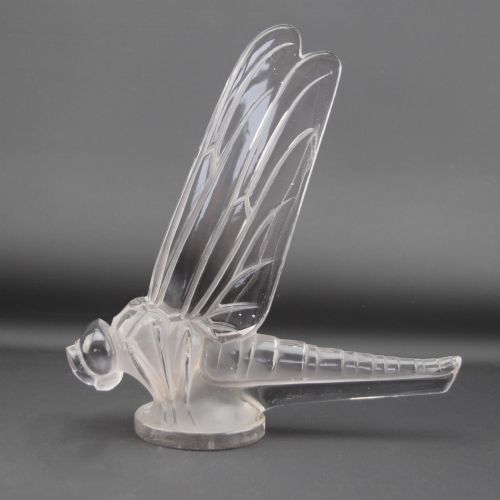
An art deco glass ornament spans functional items like car mascots and vases alongside decorative sculptures, figurines, and paperweights. These pieces emerge predominantly from the 1920 and 1930 periods, reflecting the streamlined aesthetics of the era.
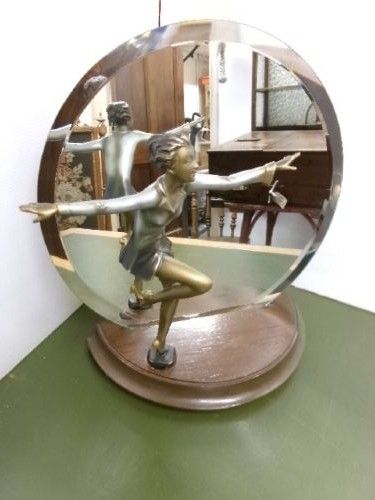
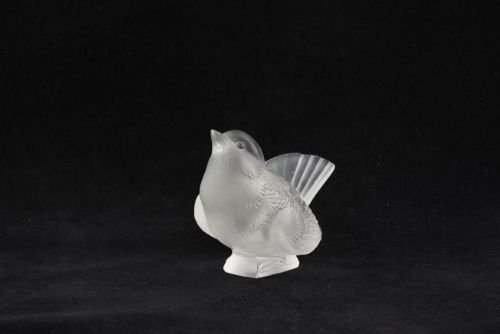
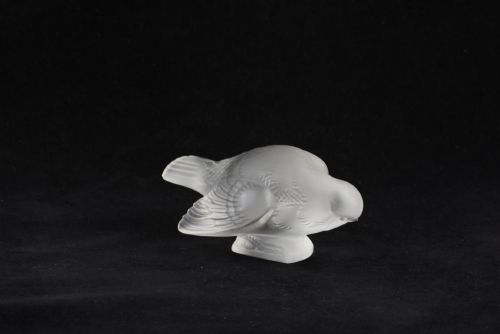
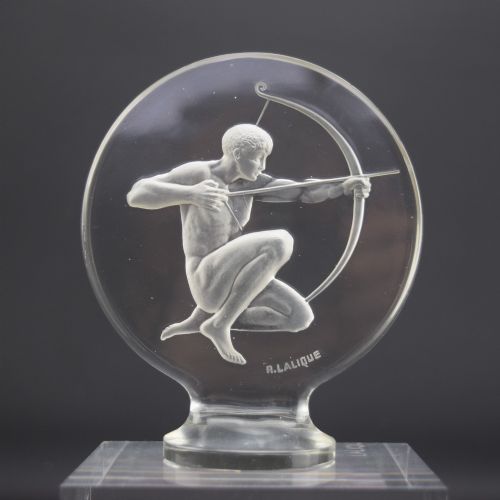
Car mascots mounted on wooden bases frequently function as desk paperweights, blending utilitarian roots with sculptural display. Figurines and animal forms dominate the selection, portraying birds, cats, ibexes, and human figures with stylised contours.
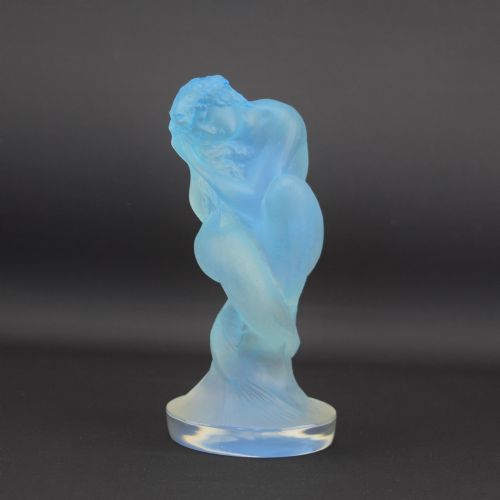
Originating largely from French and Italian workshops, these works showcase the international reach of modernist design. Collectors encounter clear, frosted, and opalescent surfaces that interact dynamically with light.
How they were made
Moulded, pressed, and lamp-work techniques shape the glass, allowing for crisp relief and intricate detail. Artists utilise frosted, opalescent, and clear glass to achieve varying levels of translucency and depth.
Mixed media constructions pair glass bodies with spelter or wood mounts, particularly in figures and mascots. Deep etching and cameo glass techniques add surface texture and contrasting colour layers, as seen in orange on purple vessels.
Cats, sparrows, and wild boars share shelf space with modernist nudes, proving that interwar glass was remarkably fond of wildlife.
What varies in quality
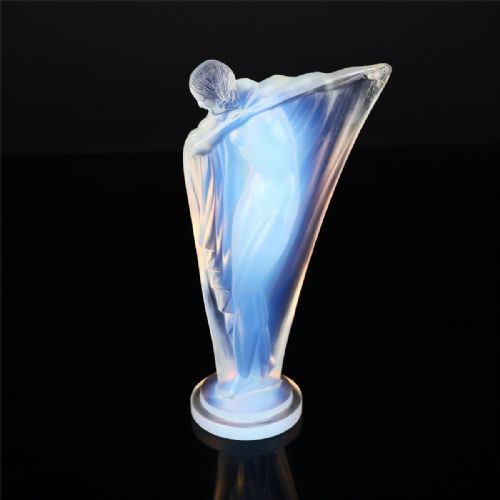
The clarity of the moulding and the crispness of the relief define the visual success of a piece, separating sharp definition from softened edges. In opalescent and coloured examples, the depth of tone and the play of light across the glass surface reveal the skill of the maker.
The integration of mixed materials, such as a spelter figure mounted to a wooden base or glass fitted securely to metal, demonstrates structural precision. The depth and execution of deep etching or cameo layering dictate the sophistication of the finished work.
Rene Lalique·Jean Luce·Etling·Schneider·Bimini
The Art Deco Glass Ornament Glossary
- Car Mascot
- A sculptural ornament mounted on the radiator cap of a motor car. Many examples were subsequently repurposed as desk paperweights or cabinet displays.
- Opalescent Glass
- Glass that diffuses light with a milky, translucent appearance, often shifting in tone between blue and amber depending on the angle of illumination.
- Cameo Glass
- A vessel formed of multiple fused layers of different coloured glass, carved or acid-etched to create a raised design in contrast with the background.
- Spelter
- A zinc alloy commonly used in the manufacture of decorative figures and bases during the period, often given a bronze or patinated finish.
- Lamp Work
- A technique where glass rods are melted over a torch and shaped by hand, allowing for intricate figurative forms like small animals and snakes.
Art Deco Glass Ornament: Frequently Asked Questions
What is an art deco glass ornament?
These pieces comprise decorative sculptures, paperweights, vases, and car mascots produced during the 1920 and 1930 periods. They reflect modernist design through stylised animal and human forms.
Materials range from clear and frosted glass to opalescent and cameo variants, occasionally paired with wood or spelter elements.
Were car mascots meant for cars?
Mascots were originally designed to adorn the radiator caps of motor cars during the interwar decades. Many surviving examples transitioned to desktop use as paperweights or cabinet sculptures.
Mounts in wood or metal often accompany these pieces to facilitate stationary display.
How do I identify opalescent glass?
Opalescent glass displays a characteristic milky translucency that catches light with shifting blue or amber tones. This optical effect is integral to the aesthetic of many French pieces from the era.
The quality of the opalescence determines how effectively the glass diffuses light across moulded reliefs.
What materials accompany the glass?
Selected figures and mascots incorporate spelter, a common zinc alloy of the period used for metal bases and complementary sculptural elements. Wooden plinths also provide stable mounting for desk ornaments.
Cameo glass vessels use layered coloured glass to build contrasting surface patterns through acid etching.