





Flared Glass Vase
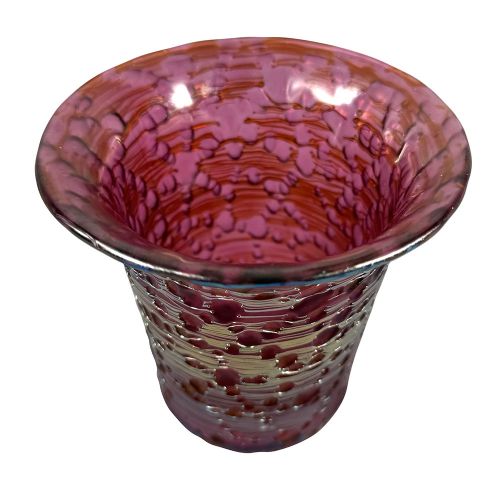
These flared glass vase examples span Victorian and Art Deco periods, offering striking silhouettes and vibrant colourways for display.
Flared Glass Vase
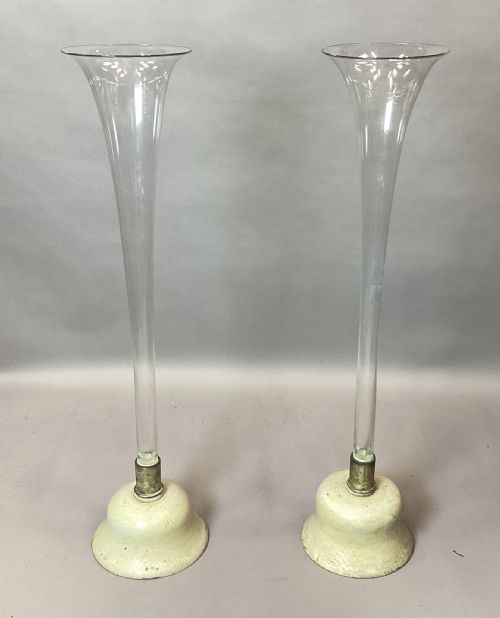
A flared glass vase takes many forms across the Victorian, Arts and Crafts, Art Nouveau, and Art Deco periods, ranging from trumpet shapes to figural designs. Buyers find pieces created from blown glass, lead crystal, pressed glass, and cameo glass, originating from English and European makers.
The most common examples on this page feature distinctive flared rims designed to showcase large blooms or stand alone as decorative objects. These vessels utilise manufacturing methods from the nineteenth and twentieth centuries, including optical blowing and overlay techniques.
Makers such as James Powell, Thomas Webb & Sons, and René Lalique represent the diverse output seen in these listings. Collectors encounter vibrant colourways including bright green, cobalt blue, and cranberry over crystal.
How they were made
Makers shaped molten material using blowing and pressing techniques, frequently employing optical moulds to create internal patterns within the vessel walls. Cameo glass and double-walled constructions required intricate layering of different coloured glass before carving or fusing.
Finishing methods involved engraving, gilding, and cutting back overlay layers to reveal contrasting colours underneath, as seen in cut-to-clear and cameo pieces. Iridescent finishes were achieved through chemical treatments applied while the glass remained hot.
Some trumpet vases stand forty inches tall, demanding sturdy furniture and brave household pets.
What varies in quality
The depth of colour and the precision of the optical blow or cut define the visual merit of each piece. Heavier lead crystal and complex multi-layered cameo work indicate greater technical ambition from the workshop.
Design attribution to known makers and identifiable decors elevate certain examples above standard production wares. The crispness of engraving and the uniformity of the flared rim shape show the skill involved in the initial forming.
Libochovice·Harry Powell·James Powell·Thomas Webb & Sons·René Lalique·Keith Murray·Stevens & Williams
The Flared Glass Vase Glossary
- Cameo glass
- A vessel formed of two or more distinct layers of fused glass, where the outer layer is carved away to leave a raised design. This technique requires considerable patience and skill from the glassmaker.
- Optically blown
- A method where molten glass is inflated inside a ribbed or patterned mould before being expanded to its final shape. This process creates subtle repeating patterns within the walls of the vessel.
- Lead crystal
- A high-clarity glass containing metal oxides that increase weight and refractive brilliance. It allows for deep, sharp cutting and polished facets.
- Cut to clear
- A decorative technique where a coloured outer layer of glass is cut through to expose the clear layer beneath. This creates high-contrast patterns across the body of the vase.
- Opalescent
- Glass that displays a milky, translucent quality with shifting bluish or yellowish tones when lit. René Lalique frequently utilised this property in his moulded production.
Flared Glass Vase: Frequently Asked Questions
Are these vases suitable for daily use?
Many examples function well for holding fresh flowers, though older or more delicate pieces benefit from careful handling during arrangement. Placing a protective mat beneath heavy crystal prevents scratching polished surfaces.
Consider the weight and centre of gravity when choosing stems for large trumpet shapes. Delicate cameo and opalescent vessels are often best appreciated as standalone decorative objects.
How do I identify the period of a piece?
Examine the overall design style, such as the curved motifs of Art Nouveau or the geometric lines of Art Deco. Tool marks, pontil scars on the base, and signature styles offer further clues to the date of manufacture.
Compare the colour palette and manufacturing technique with documented examples from known makers. Researching similar pieces helps narrow down the likely decade of production.
What causes iridescence on glass?
Iridescence results from metallic salts sprayed onto the hot glass surface during the manufacturing process. This treatment creates a shimmering, rainbow-like effect across the exterior.
Art Nouveau makers favoured this finish to mimic ancient weathered glass found in archaeological excavations. Clean these surfaces with particular care to preserve the thin metallic sheen.