



Antique Decorative Glassware
These pieces of antique decorative glassware span from eighteenth-century tablewares to the sculptural opalescence of the interwar years.
Antique Decorative Glassware
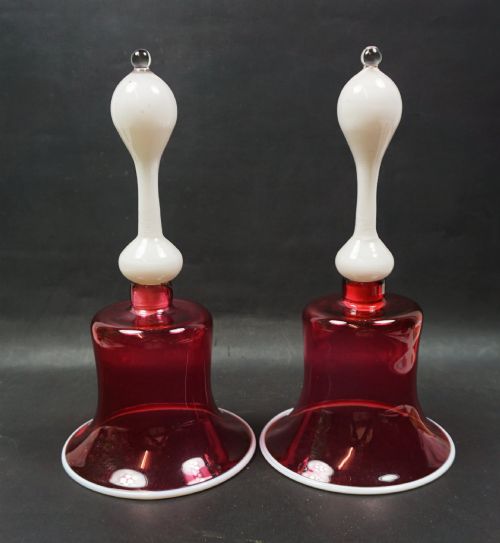
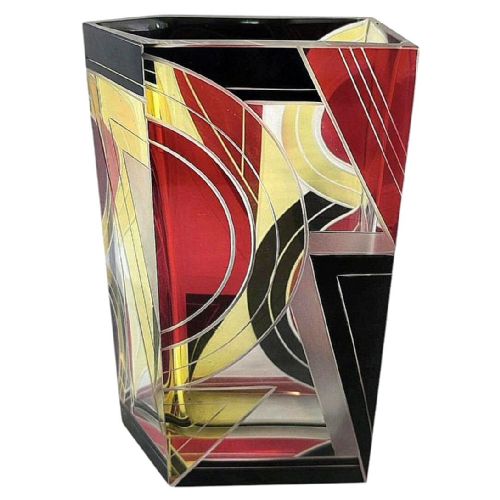
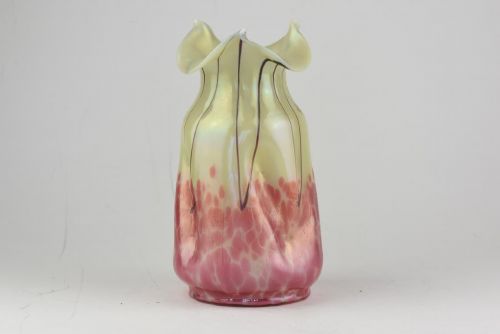
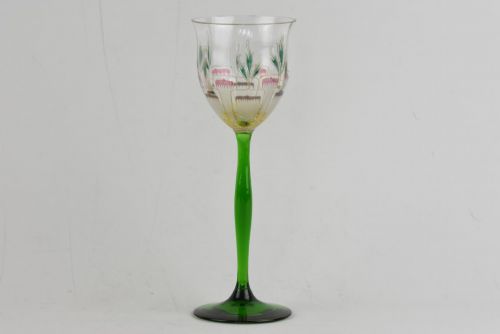
When you search for antique decorative glassware, you encounter a diverse range of objects designed primarily for visual display rather than utility. Vases, bowls, jugs, plates, and hand bells dominate the selection, crossing multiple decades and stylistic movements.
Victorian cranberry glass, opalescent bowls, and Art Nouveau cameo pieces appear most frequently in this selection. These items range from small cabinet pieces like patch stands to large floor-standing apothecary carboys.
The origins span England, France, Belgium, and Bohemia, reflecting distinct regional approaches to glass production. Victorian examples often prioritise rich colour and applied enamel, whereas twentieth-century items lean towards moulded forms and acid-etched cameo.
How they were made
Makers shaped hot metal by hand blowing into moulds or free-blowing, incorporating coloured layers such as cranberry, ruby, and green over crystal. Artisans achieved varied opacity and depth by fusing opalescent glass or casing contrasting hues.
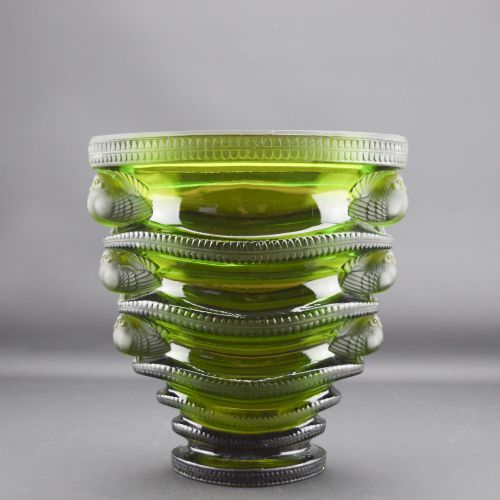
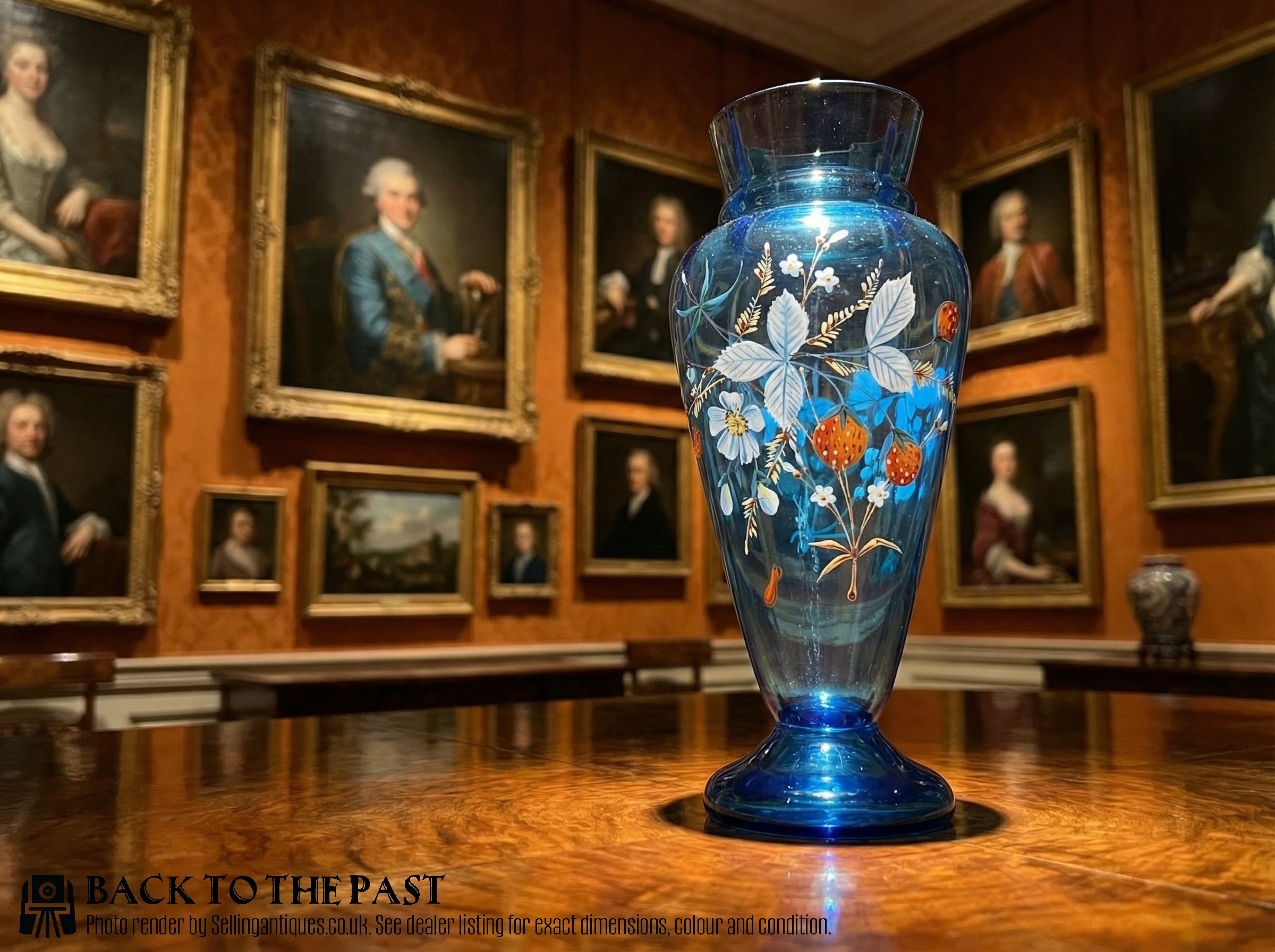
Decoration relied on complex surface treatments, including acid-cutting, engraving, and the application of gold leaf and enamel paints. Cameo glass required carving through distinct colour layers to expose contrasting designs, while other pieces utilised intricate mould-blowing to create raised geometric or floral motifs.
Materials documented include cameo glass, gold leaf, opalescent glass, and cranberry glass.
What varies in quality
Execution of surface detail and depth of design dictate the upper tier of pieces. Acid-etched and cameo examples depend on the precision of the carving and the clean separation of contrasting colour strata.
Material clarity and the successful integration of applied elements, such as gilded rims and enamel floral motifs, separate standard production from finer studio work. Purity of colour and the crispness of moulded geometric patterns further distinguish superior examples.
Rene Lalique·Pallme Konig·Legras·Karl Palda·Joseph Simon for Val St. Lambert·Galle·Stevens and Williams·Mary Gregory·Stuart·Paul Nicholas for D'Argental
The Antique Decorative Glassware Glossary
- Cameo glass
- Glass formed with multiple layers of different colours, where exterior layers are carved or acid-etched away to reveal a contrasting design. This technique requires considerable skill to maintain uniform depth across the motif.
- Cranberry glass
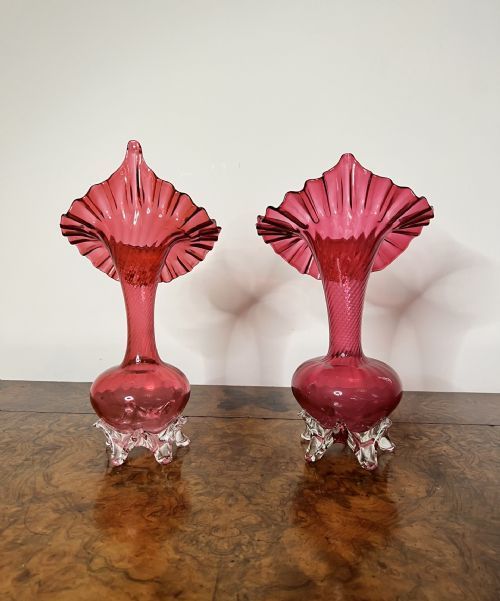
- A rich red-pink transparent glass coloured with gold chloride during the melting process. It was particularly popular during the Victorian period for tableware and decorative items.
- Opalescent glass
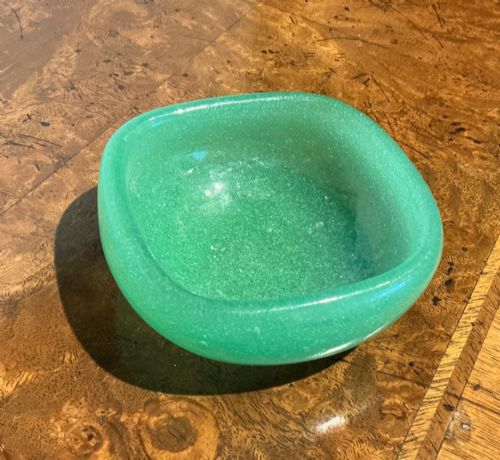
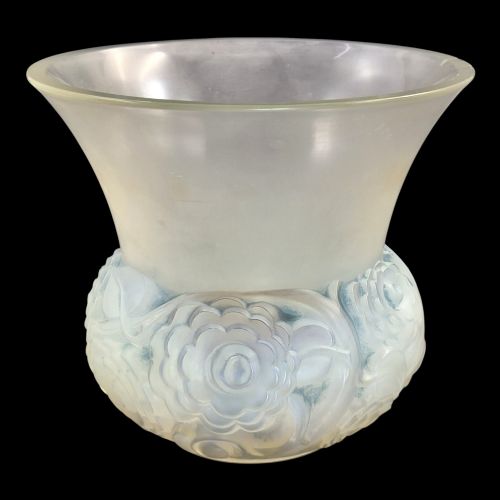
- Glass containing agents that cause it to milky-blue or white appearance in transmitted light while showing amber or fiery tones in reflected light. René Lalique frequently utilised this property in his twentieth-century bowls and vases.
- Overshot glass
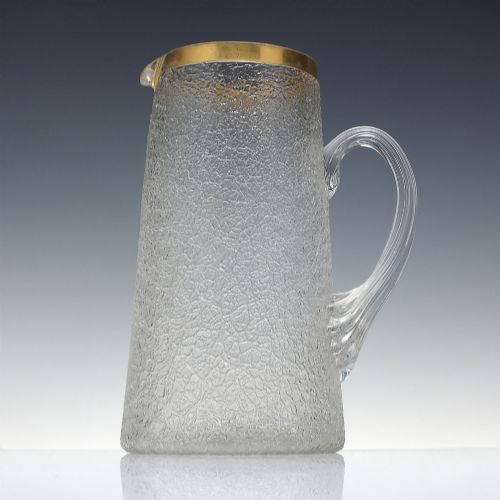
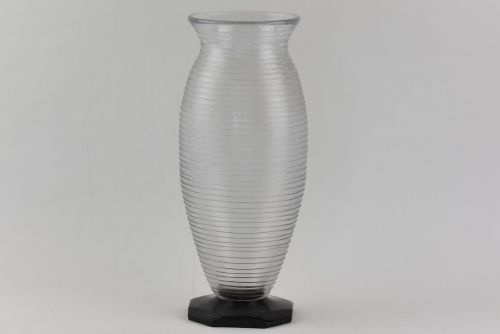
- Glass featuring a rough, textured surface created by rolling hot metal over fine fragments of glass before expansion. The resulting finish catches the light unevenly.
- Tazza
- An ornamental shallow cup or bowl mounted on a stem and foot. They were traditionally used for serving sweetmeats or displayed as centrepieces on dining tables.
Antique Decorative Glassware: Frequently Asked Questions
How do I clean antique glass?
Wash pieces gently in warm soapy water using a soft cloth, avoiding harsh abrasives or soaking items with gilded elements.
Dry immediately with a lint-free towel to prevent water spots and protect delicate applied handles or rims from accidental impact.
How do I identify Art Nouveau glass?
Look for organic motifs like flowing stems, insect wings, and iridescent surfaces that mimic natural phenomena. Forms tend to be fluid and asymmetrical, reflecting the movement's rejection of rigid industrial geometry.
Signatures or factory marks etched into the base frequently confirm attribution to workshops like Galle or Loetz.
Can I use these vases for fresh flowers?
Many antique vases can hold water, but delicate items with internal enamel or thin applied elements require careful handling.
Avoid using abrasive brushes inside narrow vessels and prevent prolonged contact with stagnant water to protect historic interior surfaces.