

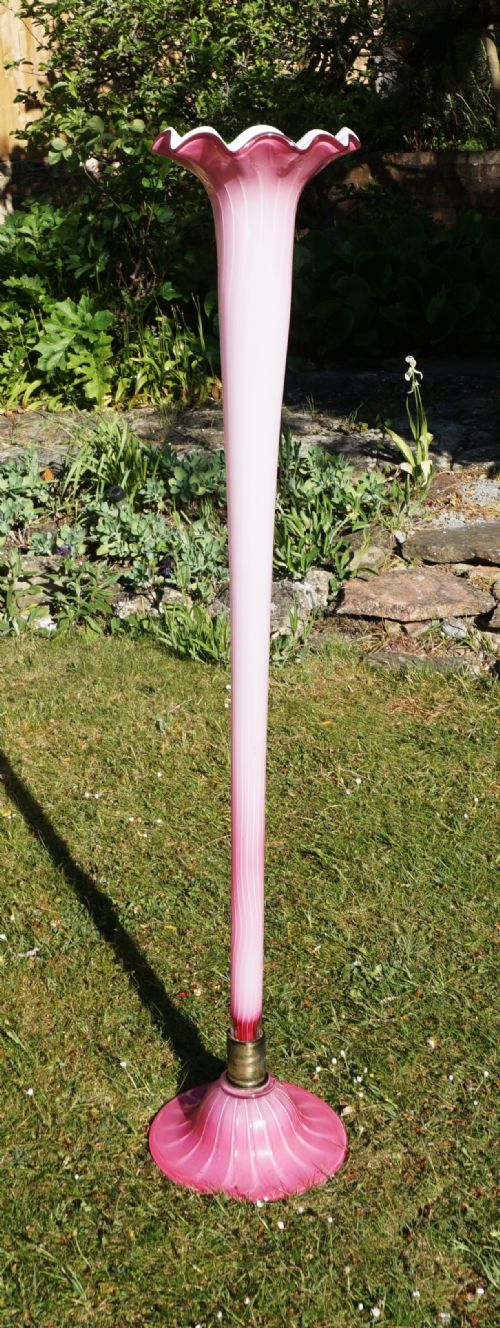


Victorian Glass Ornament
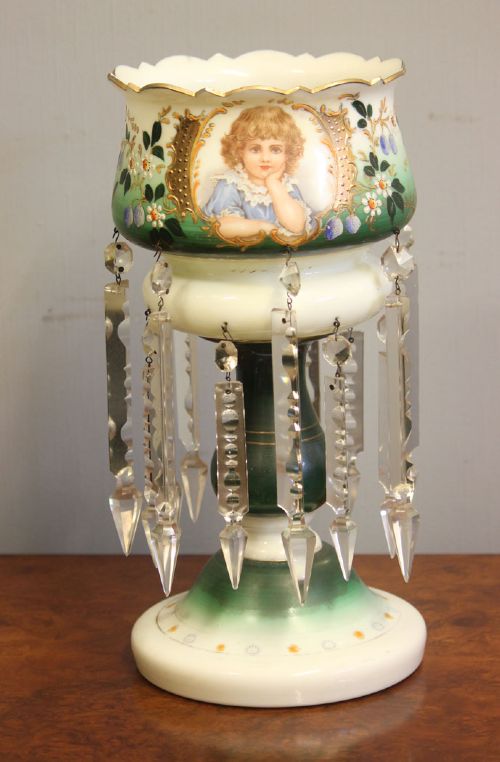
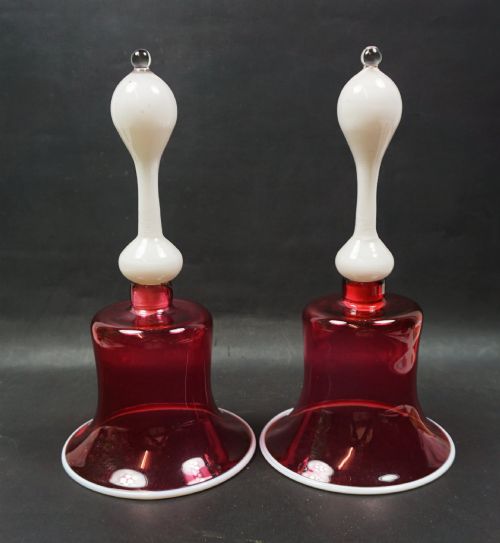
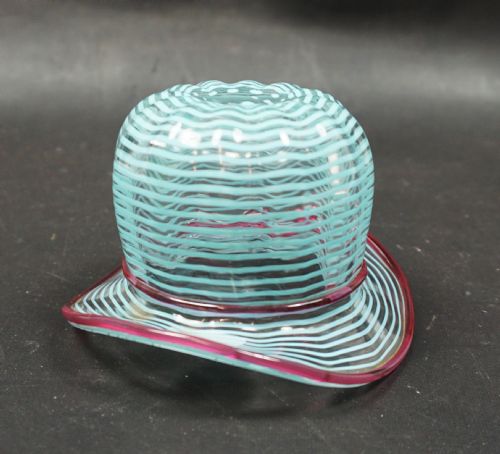
These pieces of Victorian glass ornament range from ruby table lustres to cranberry bells, catching light on the mantelpiece much as they did in the nineteenth century.
Victorian Glass Ornament
A victorian glass ornament encompasses a diverse array of decorative objects, primarily table lustres, vases, and figures produced during the nineteenth century. Buyers searching this phrase most frequently encounter ruby, cranberry, and cut glass table lustres alongside decorative glassware.
The selections span periods from the eighteen sixties through to nineteen hundred, reflecting the broader Victorian and late nineteenth century aesthetic. Forms include ewers, bells, paperweights, and mantel lustres designed for interior display.
Origins represented in the inventory extend across English, French, Bohemian, and Austrian workshops. Domestic mantelpieces and cabinet displays receive these decorative objects as focal points of nineteenth century interior design.
How They Were Made
Glass production relied on traditional blowing, moulding, and cutting techniques using materials such as crystal, cranberry glass, ruby glass, and opaline glass. Artisans combined these vitreous bodies with brass mounts, gilt details, and enamel decoration.
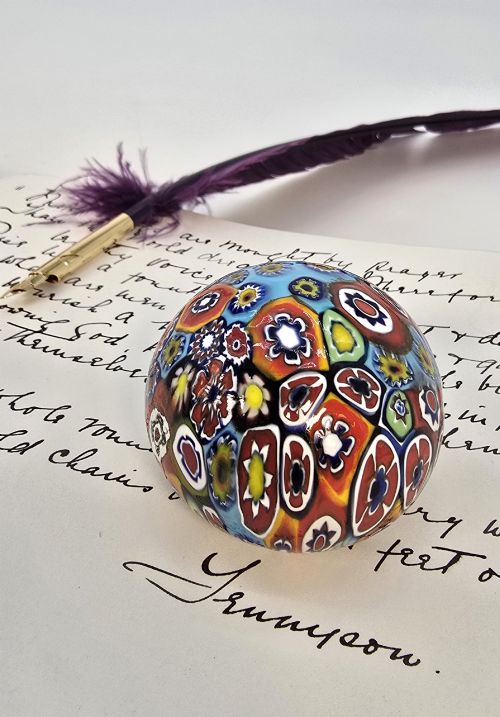
Specialised techniques like cased glass layering and millefiori cane work produced distinct colour variations and surface patterns. Metal elements such as gilt brass frames and bronze holders complement the glass structures.
Victorian Glass Ornament Retail Price Guide 2026
Typical asking prices for victorian glass ornament among the pieces listed under this phrase on Sellingantiques today, from the lower quarter to the upper quarter. They describe what is for sale here now, not the wider market.
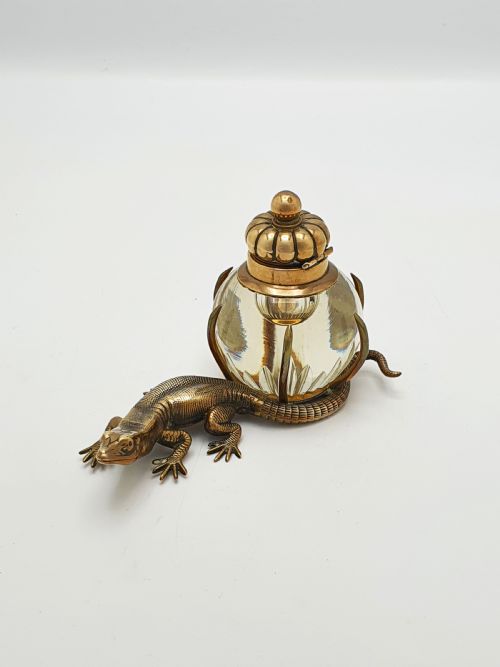
Lizards cast in brass occasionally guard inkstands alongside nineteenth century glass.
What Varies in Quality
The distinction between standard domestic items and superior examples lies in the depth of colour saturation and the precision of the cut glass facets. Rich ruby and cranberry glass tones demonstrate superior chemical composition during melting.
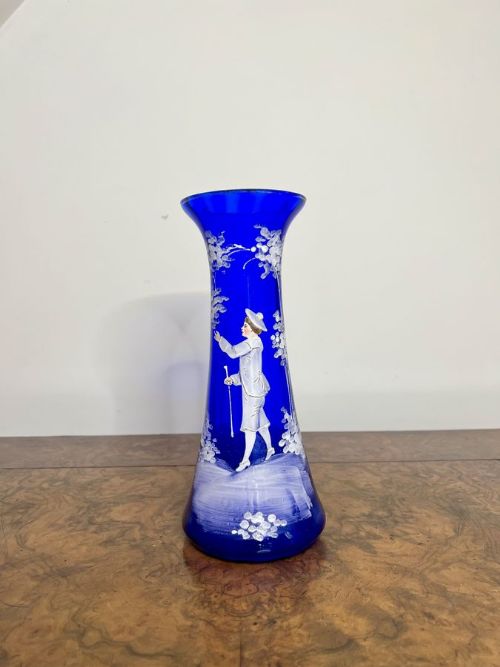
Hand-painted enamel work and applied gilding show varying degrees of dexterity among makers, separating basic commercial output from ambitious workshop pieces. The clarity of crystal and the crispness of moulded details dictate the upper tier of the range.
Richardson·Baccarat·Webb
The Victorian Glass Ornament Glossary
- Cranberry glass
- A rich pinkish-red glass coloured with gold chloride. This material gained popularity in nineteenth century tableware and decorative items.
- Table lustre
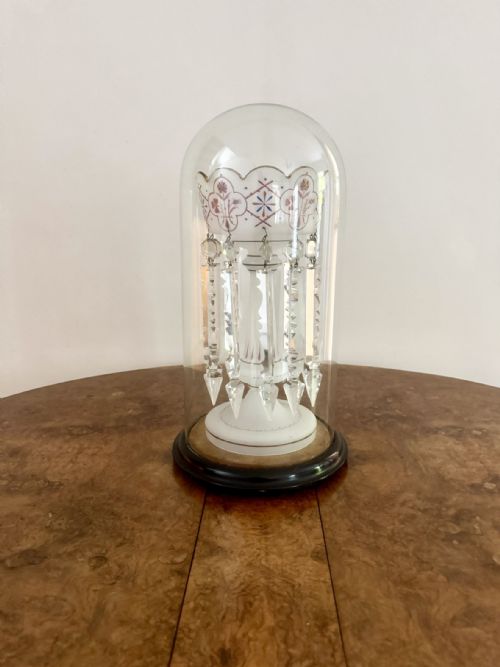
- A two-part ornamental vase hung with cut glass prisms. These pieces decorated Victorian mantelpieces and reflected candlelight.
- Opaline glass
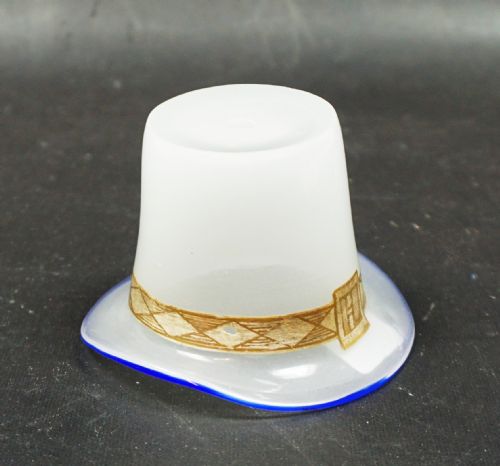
- An opaque, pale glass that imitates porcelain. It frequently displays delicate tints and gilt banding.
- Millefiori
- A glasswork technique producing distinctive patterned mosaics. The term translates to a thousand flowers.
- Cased glass
- A vessel composed of multiple layers of different coloured glass. Artisans cut through the outer layer to expose the contrasting colour underneath.
Victorian Glass Ornament: Frequently Asked Questions
What is a glass lustre?
A glass lustre is a decorative mantelpiece vase fitted with hanging crystal prisms designed to catch and refract light.
Victorian homes used pairs of these ornaments as centrepieces on mantel shelves and dining tables.
How do I clean antique glass?
Clean antique glass gently with lukewarm water and a mild soap solution using a soft cloth. Avoid harsh chemical cleaners that might damage enamel or gilt decoration.
Dry the pieces thoroughly with a lint-free towel to preserve their finish.
What is cranberry glass?
Cranberry glass is a transparent red-pink glass coloured by the addition of gold during the melting process. It was widely utilised by Victorian makers for decorative tablewares.
The depth of the pink hue depends on the concentration of gold and the skill of the glasshouse.
Are these ornaments English or foreign?
These decorative items originate from various European glassmaking centres including English, French, and Bohemian workshops. Each region contributed distinct styles of cutting, casing, and colouring.
Signatures or stylistic traits often indicate the specific country of origin.