

Vintage Perfume Bottle
When you search for a vintage perfume bottle, you are looking at small vanity vessels shaped by glassmakers and silversmiths to hold scent.
Vintage Perfume Bottle
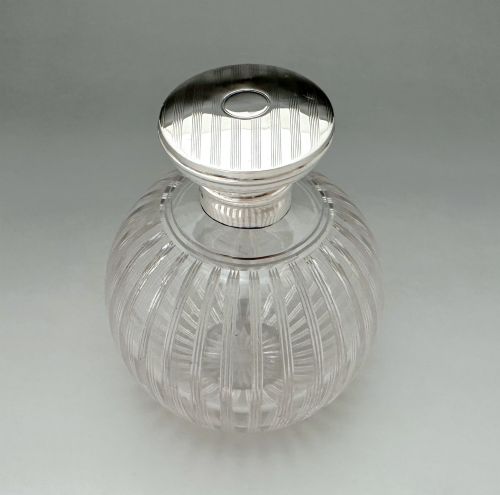
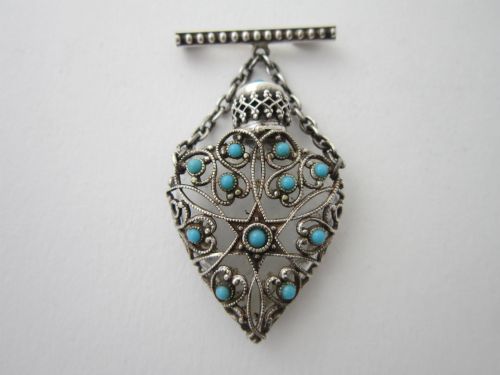
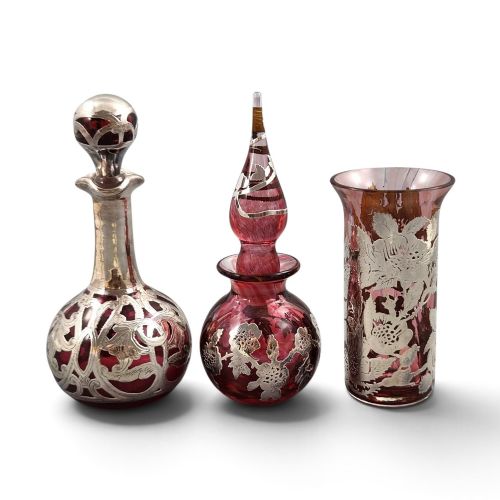
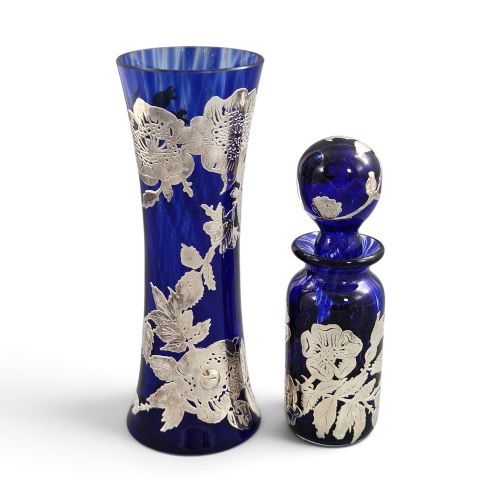
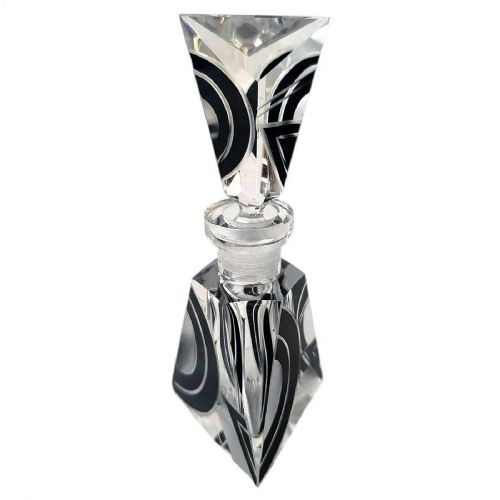
A vintage perfume bottle typically combines glass or crystal with precious metals, forming small vessels designed for dressing tables and travelling vanity sets. The pieces listed span periods from the nineteenth century through the Art Deco era, encompassing styles such as Victorian, Edwardian, and Art Nouveau.
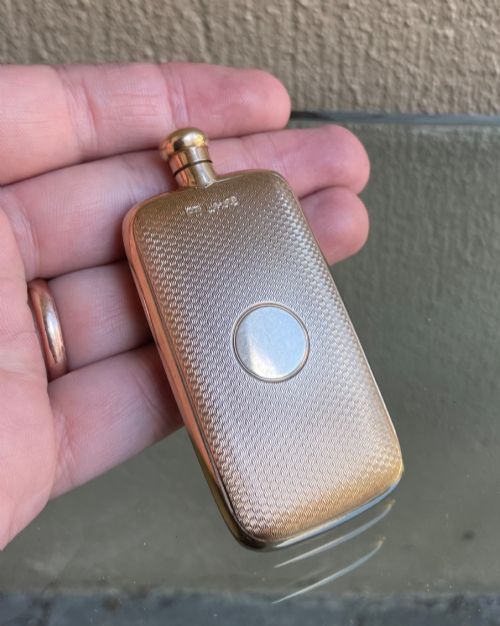
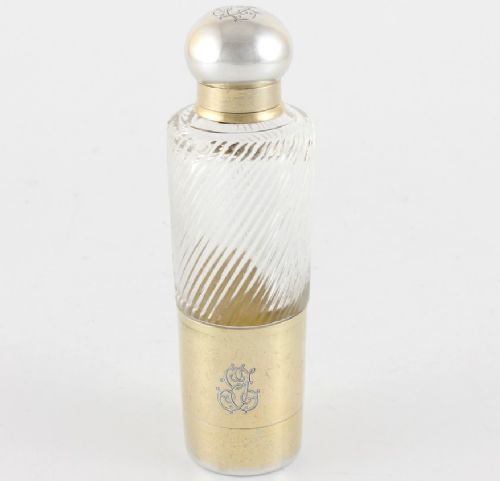
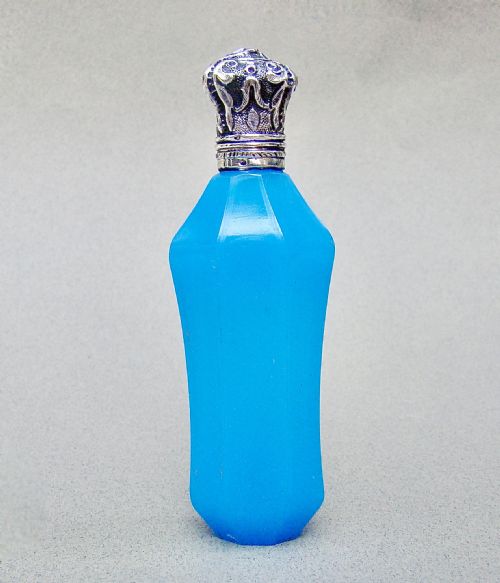
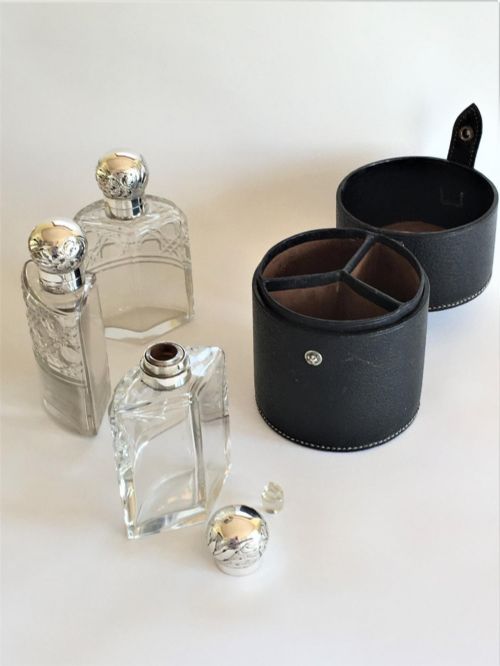
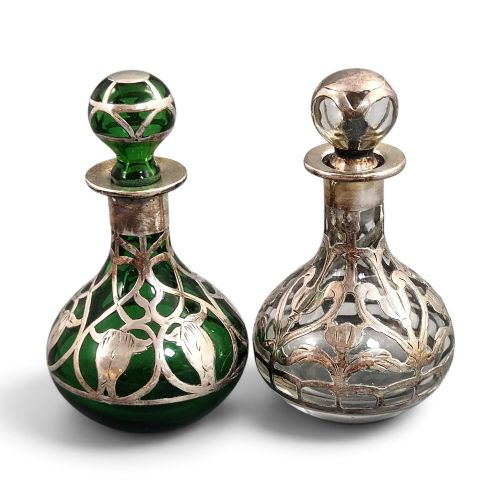
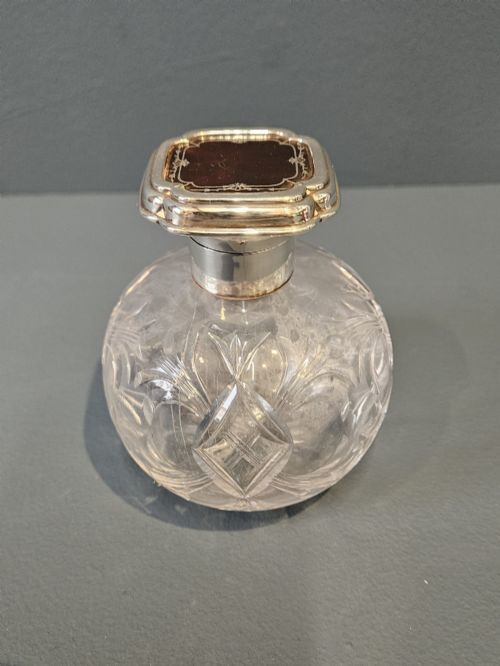
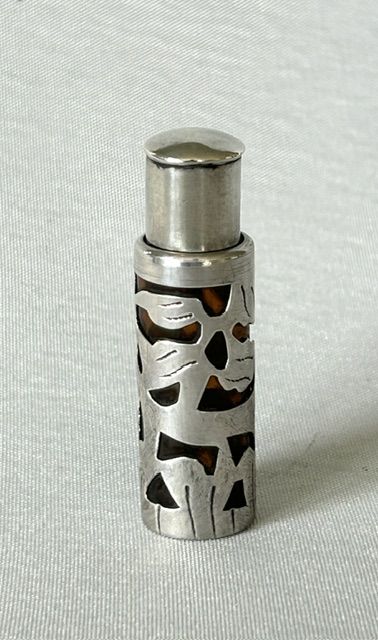
The version most commonly met on this page is the glass scent bottle mounted with sterling silver collars, hinged caps, or pierced metal overlays. Alongside these standard English and continental forms, you will find moulded glass pieces, atomisers, and small flasks incorporating enamel or semi-precious materials.
How they were made
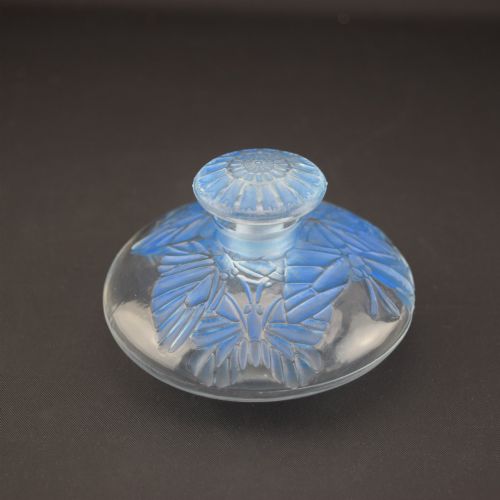
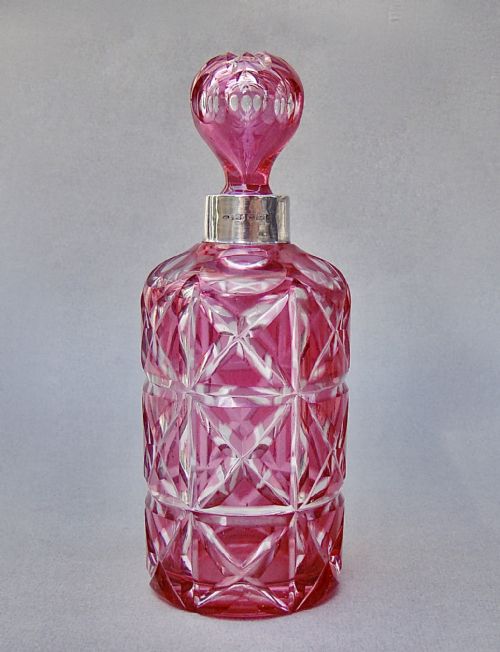
Makers shaped the bodies using clear, coloured, ruby, or opaline glass through blowing, moulding, and geometric cutting techniques. Metalwork mounts, silver overlays, and hinged lids were then fitted to the glass necks, often secured with cork or ground glass stoppers.
Detailing frequently involved guilloché enamel work, gold plating, or hand-carved stone elements applied to silver or gold frameworks. Makers such as glass artists and silversmiths stamped their hallmarks or signatures directly onto the metal mounts and glass bases.
Vintage Perfume Bottle Retail Price Guide 2026
Typical asking prices for vintage perfume bottle among the pieces listed under this phrase on Sellingantiques today, from the lower quarter to the upper quarter. They describe what is for sale here now, not the wider market.
Listings feature periods from the nineteenth century through the Art Deco era, incorporating glass, silver, enamel, and gold materials.
What varies in quality
Quality rests upon the execution of the glass cutting and the weight of the metal mounts utilised by the maker. Heavy crystal bodies, intricate silver overlays, and undamaged enamel work distinguish the finer examples from simpler production pieces.
The reputation of the designer or maker also dictates the standard, with signed mouldings and documented silversmith attributions carrying distinct craftsmanship. Intact stoppers and well-fitted hinged caps complete the construction standard of a superior vessel.
Tonnel Paris·Gorham·Laugharne Glass·Harold Bushell and Co·Karl Palda·Henry Perkins·Rene Lalique·Cartier Paris
The Vintage Perfume Bottle Glossary
- Guilloché enamel
- Enamel decorated with precise mechanical engine-turned patterns beneath a translucent coloured coating. It appears frequently on twentieth-century vanity items and silver bottle caps.
- Opaline glass
- An opaque or semi-translucent glass developed in various pastel or bright colours during the nineteenth century. It provides a smooth surface often mounted in silver.
- Sterling silver overlay
- A decorative pierced silver jacket fitted closely around a glass scent bottle. This technique was popular during the Art Nouveau period.
- Atomiser
- A perfume bottle fitted with a spray mechanism and bulb pump rather than a standard stopper. These pieces gained wide popularity during the Art Deco era.
- Ground glass stopper
- A glass stopper hand-ground to fit precisely inside the neck of a specific bottle for an airtight seal. It represents a hallmark of quality production.
Vintage Perfume Bottle: Frequently Asked Questions
What are vintage perfume bottles made from?
These vessels combine glass, crystal, ruby glass, and opaline glass with mounting materials including sterling silver, gold, and enamel. Some pieces incorporate fabric or carved agate.
Makers paired these materials to create durable yet decorative containers suitable for daily use on dressing tables or inside fitted travelling cases.
How do I date a vintage perfume bottle?
Dating relies on hallmarks stamped onto the silver or gold mounts, stylistic indicators such as Art Deco geometric cuts or Art Nouveau flowing lines, and documented maker signatures. Comparing the stopper and glass form to known period examples narrows the production window further.
Many pieces carry specific assay office marks and date letters on their metal collars that reveal the exact year of manufacture.
How were scent bottles used historically?
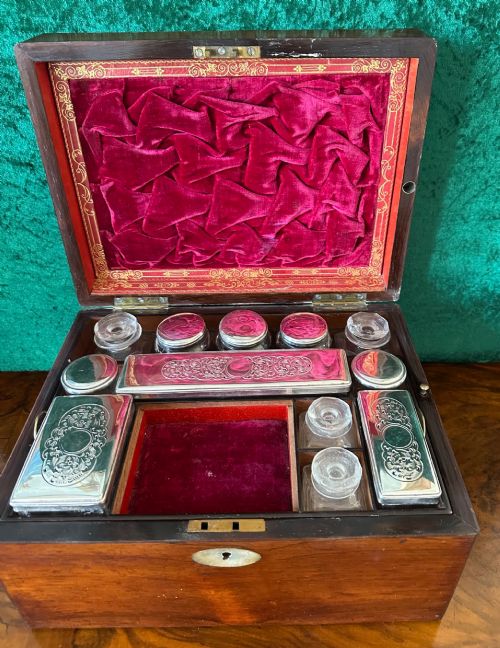
Owners filled these vessels with liquid perfumes, colognes, or smelling salts for personal grooming and refreshment. Travelling versions often sat inside fitted boxes with pill boxes or vanity sets to accompany the owner away from home.
The small size allowed users to carry concentrated scents securely in pockets or reticules.
How do I care for antique glass perfume bottles?
Clean the glass gently using lukewarm water and mild soap, avoiding harsh chemicals that might damage enamel or aged metal mounts. Keep metal polishing compounds away from fabric and glass surfaces to preserve the original finish.
Store the bottles upright in stable conditions away from direct sunlight to protect coloured glass and delicate stoppers.