


Moulded Glass Scent Bottle
A moulded glass scent bottle brings tactile Art Deco design to a dressing table, prized for sculptural frosted surfaces and intricate stoppers.
Understanding the moulded glass scent bottle
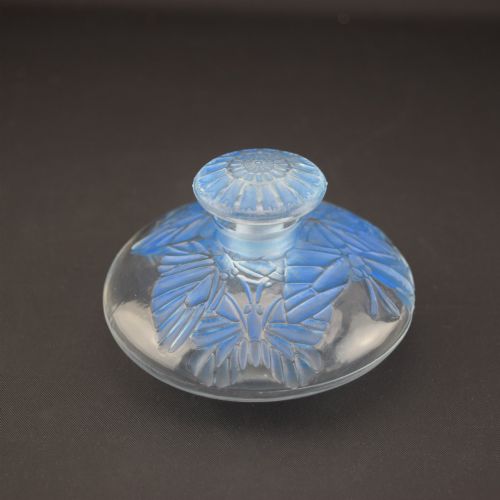
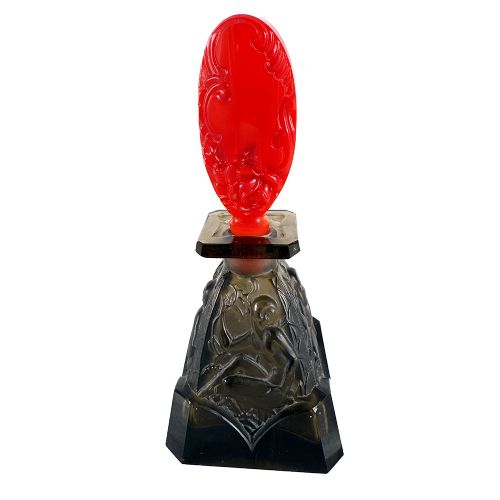
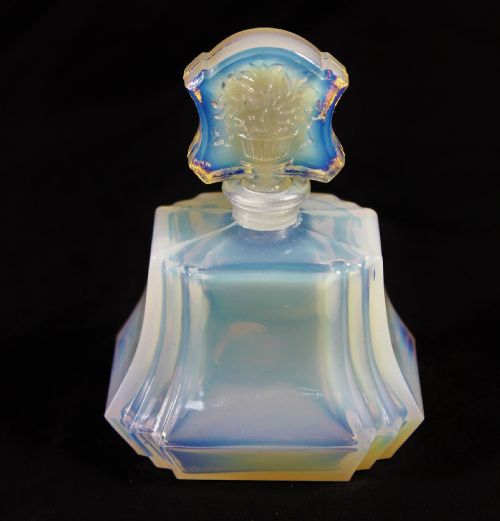
A moulded glass scent bottle is an Art Deco vessel designed for perfume, featuring decorative reliefs and sculptural stoppers. These pieces originate from the 1920 and 1930 decades, capturing the distinct aesthetic of the period.
Makers utilised specific botanical and geometric motifs, rendering each moulded glass scent bottle a miniature sculpture. The survivors from this era demonstrate the synergy between functional glassware and fine art.
Materials and production techniques
Makers formed these vessels using glass, frosted glass, clear glass, and moulded glass, often employing specialised pressing techniques. The exterior surfaces frequently received patinated glass treatments or coloured staining to accentuate the relief details.
Packaging played an integral role in the presentation, utilising paper, cardboard, and enamel elements alongside the primary glass vessel. The combination of these materials resulted in cohesive vanity sets that survived together as complete objects.
Retail Price Guide 2026
Typical UK retail prices for moulded glass scent bottle, calculated from the Sellingantiques database of over a million retail prices indexed since 2003. This retail price guide relies exclusively on Sellingantiques data; no external sources or auction records are used, so the figures do not describe the wider market.
Some stoppers feature delicate butterflies and floral designs that turn a simple perfume closure into a miniature wildlife sculpture.
Distinctions in quality and finish
The refinement of the relief moulding and the subtlety of the frosted or patinated glass surfaces separate finer examples from standard production. Superior specimens retain crisp detail in complex motifs like flowers or butterflies on the stoppers.
The presence of original coloured staining within the recessed areas enhances the visual depth of the design. Completeness also elevates an example, particularly when accompanied by its original cardboard and paper presentation box.
Rene Lalique
The Moulded Glass Scent Bottle Glossary
- Moulded glass
- Glass shaped by pressing molten material into a metal or wooden matrix to create raised decorative patterns. This technique allowed for intricate three-dimensional designs on perfume bottles.
- Frosted glass
- Glass treated to achieve a matte, non-translucent surface finish through acid etching or sandblasting. It provides a soft contrast to clear sections on Art Deco vessels.
- Patinated glass
- Glass treated with pigments or surface coatings to highlight recessed details and add age or depth. This finish defines the sculptural quality of interwar scent bottles.
- Stoppper
- The fitted plug or closure that seals the perfume bottle, frequently moulded in a figural or abstract shape. In high-end examples, the stopper forms the primary artistic focus of the piece.
Frequently Asked Questions
What are moulded glass scent bottles?
These are decorative perfume vessels produced primarily during the 1920 and 1930 decades in the Art Deco style.
They combine sculptural stoppers and textured glass bodies to serve as both functional containers and miniature artworks.
How were these scent bottles used?
Owners kept them on dressing tables to store and dispense fine perfumes during daily routines.
The decorative stoppers sealed the contents while adding visual elegance to vanity displays.
How do I date these glass bottles?
Dating relies on stylistic markers associated with the 1920 and 1930 periods, alongside specific manufacturing signatures.
The geometric and botanical motifs characteristic of Art Deco help place these objects within the interwar years.
Are original boxes important?
Original paper and cardboard presentation boxes provide valuable context and confirm the intended pairing of the vessel.
Surviving packaging adds historical completeness to the scent bottle.