


French Glass Scent Bottle
These delicate pieces of functional history bring nineteenth-century dressing tables and chatelaines to life with colourful, sculpted glass.
French Glass Scent Bottle
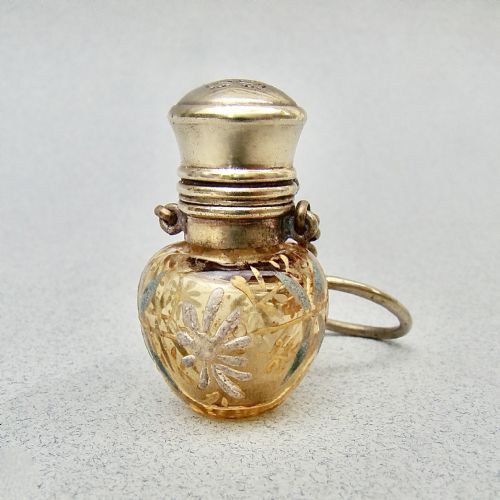
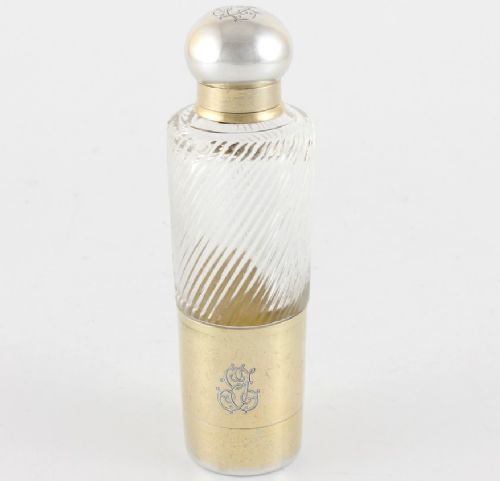
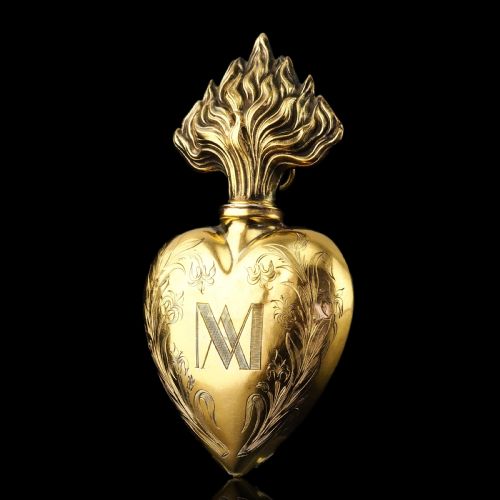
A french glass scent bottle represents a portable vessel designed for personal perfume, originating from nineteenth-century workshops and extending into the Art Deco period. Collectors encounter everything from chatelaine flasks meant to hang from a belt to larger dresser bottles housed in caskets.
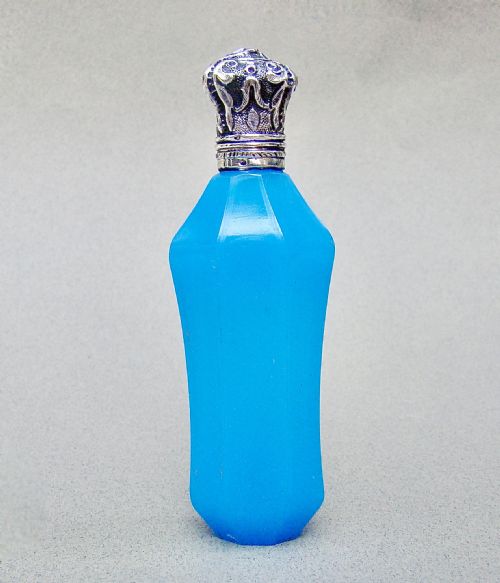
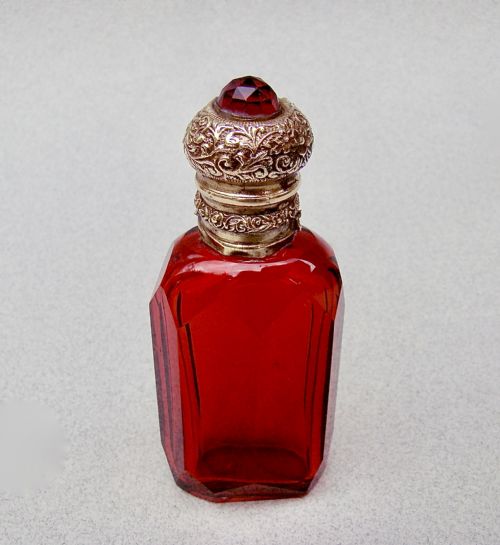
The selection spans nineteenth-century opaline and cranberry glass varieties alongside moulded Art Deco forms. Early examples often feature metal mounts or come grouped in multi-bottle caskets intended for travel or display.
How They Were Made
Makers utilised techniques such as glass cutting, overlay casing, and moulding to create depth and texture in the vessels. Many pieces combine coloured or opalescent glass bodies with hand-applied gold leaf, enamel decoration, or gilt bronze mounts.
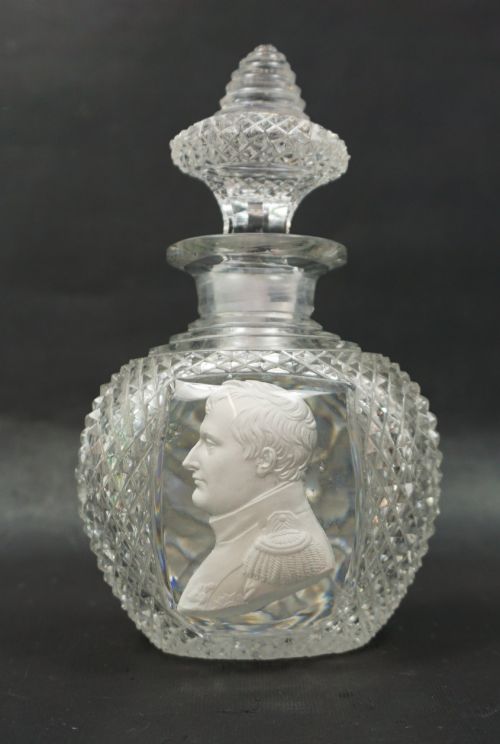
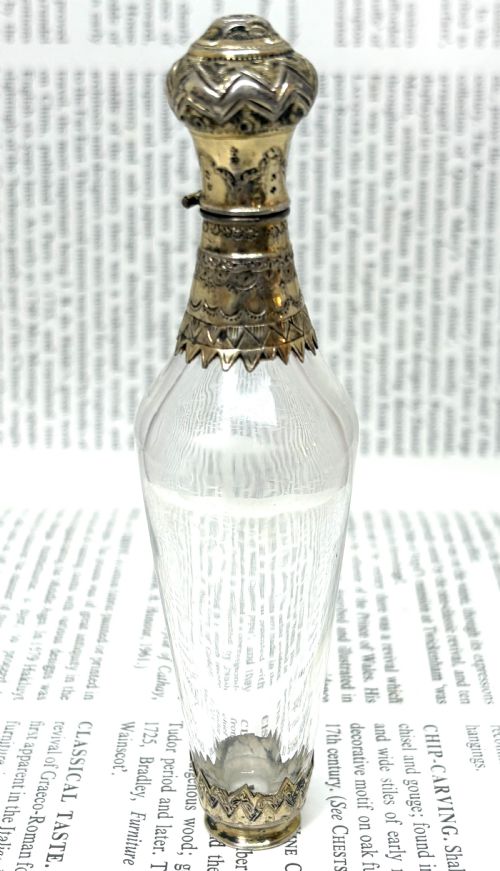
Metalwork components include sterling silver, silver gilt, and ormulu frames fitted securely around the glass necks and bases. Artisans also employed acid-staining and detailed sulphide portraits embedded directly into the crystal.
French Glass Scent Bottle Retail Price Guide 2026
Typical asking prices for french glass scent bottle among the pieces listed under this phrase on Sellingantiques today, from the lower quarter to the upper quarter. They describe what is for sale here now, not the wider market.
Victorian ladies relied on these tiny vessels to revive themselves from the confines of exceptionally tight corsets.
What Varies in Quality
The standard of a bottle depends heavily on the complexity of its glass body, such as multi-layered casing or intricate moulded reliefs. Finer examples display crisp detail in their enamel work and precise fitting of silver or ormulu mounts.
Provenance and maker attribution elevate certain pieces significantly, particularly those bearing recognised signatures or originating from notable houses. The presence of original fitted caskets or matching stoppers also influences desirability.
Rene Lalique·Sabino·Baccarat·Moser
The French Glass Scent Bottle Glossary
- Chatelaine
- A decorative belt hook or clasp worn with suspended chains holding small items like scent bottles.
- Opaline glass
- An opaque or translucent art glass popular in nineteenth-century France, often tinted in soft pastel shades.
- Ormulu
- Gilded bronze or brass mounts used extensively to decorate French furniture and glassware during the nineteenth century.
- Guilloche enamel
- A decorative technique where an engraved metal surface is covered with translucent enamel.
- Sulphide
- A small white cameo plaque embedded inside clear crystal glass during the manufacturing process.
French Glass Scent Bottle: Frequently Asked Questions
What is a chatelaine scent bottle?
These miniature bottles feature specialised loops or chains designed to attach directly to a wearable belt hook. Ladies carried them during the nineteenth century for quick access to smelling salts or perfume.
They are typically smaller than dresser bottles and often come with secure screw or hinged metal caps to prevent leaks while moving.
How do I identify opaline glass?
Opaline glass presents a dense, semi-translucent appearance that diffuses light rather than passing it through clearly. It frequently appears in shades of white, turquoise, pink, or green.
This material was widely used in nineteenth-century French luxury goods and forms the base for many hand-painted or gilt-decorated pieces.
Were these bottles meant for travel?
Many examples were constructed specifically for mobility, housed securely within leather dome-topped caskets or fitted travelling cases. Others formed part of larger vanity sets designed for wealthy travellers on Grand Tours.
Their robust metal mounts and stoppers protected the precious contents during transit across Europe.
What defines Art Deco perfume bottles?
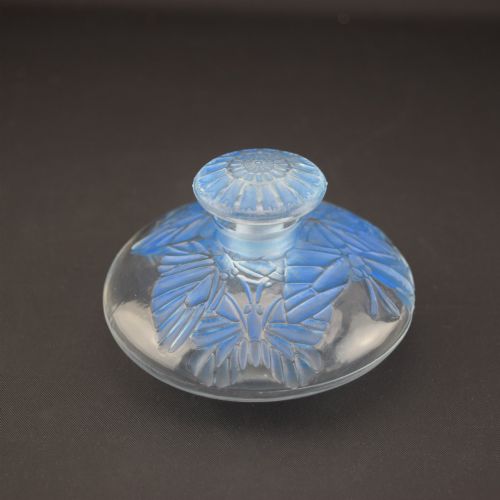
Art Deco pieces shift away from ornate nineteenth-century floral motifs toward geometric symmetry and stylised natural forms. Makers adopted moulded techniques to produce bold sculptural shapes with frosted surfaces.
Designs from this later era often highlight the natural texture of the glass alongside coloured staining or integrated stoppers.