
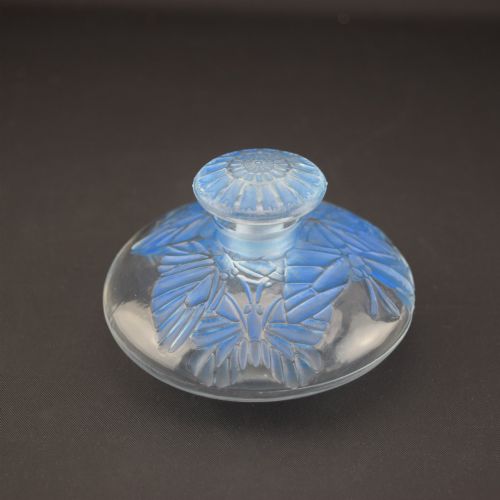


Rene Lalique Scent Bottle
A rene lalique scent bottle is a masterclass in early twentieth-century glassmaking, combining delicate floral or insect motifs with tactile finishes that collectors covet.
Rene Lalique Scent Bottle
A rene lalique scent bottle represents the pinnacle of twentieth-century glass design, typically taking the form of a perfume bottle, perfume atomiser, or scent bottle. These vessels were created during the Art Nouveau and Art Deco periods, capturing the aesthetic shifts of the early twentieth century through intricate miniature sculptures.
The pieces available on this page date predominantly from the nineteen-twenties, alongside examples from the nineteen-tens and nineteen-thirties. Collectors encounter specific named models such as Misti Butterfly, Cigalia, Pavot, A Cotes, Bouchon Papillons, Rose Rouge, Rose, Epines, Le Parisien, Psyka, and Hirondelles.
How a rene lalique scent bottle was made
Makers utilised glass as the primary medium, employing specialised moulding techniques to shape clear, frosted, and opalescent glass into complex botanical and figural reliefs. Some vessels incorporate blue stained glass or red staining to accentuate the deep recesses of the moulded designs.
Production methods also integrated delicate surface treatments such as patinated glass to enhance contrast and depth within the decorative motifs. Additionally, surviving examples occasionally retain original paper elements such as boxes associated with the period of manufacture.
What varies in quality
The sophistication of the surface finish dictates the visual impact of each vessel, particularly how light interacts with frosted, opalescent, or patinated areas. Crispness in the moulded details of motifs such as butterflies, poppies, and swallows separates standard production from finer examples.
The presence of original coloured staining, such as red or blue pigment within the recessed glass, alters the depth and character of the design. Furthermore, the inclusion of period packaging like original paper boxes elevates the completeness of the piece.
The Rene Lalique Scent Bottle Glossary
- Frosted glass
- Glass treated to achieve a matte, non-reflective surface texture that diffuses light softly across moulded reliefs.
- Opalescent glass
- Glass containing ingredients that cause it to milky-blue in transmitted light and warm amber in reflected light.
- Patinated glass
- Glass enhanced with surface coloration or staining applied to crevices to define the sculptural details of the design.
- Perfume atomiser
- A vanity vessel fitted with a mechanical spray mechanism for dispensing fragrance rather than a traditional stopper.
- Art Deco
- The dominant design style of the nineteen-twenties and nineteen-thirties favouring geometric symmetry and stylised natural forms.
Rene Lalique Scent Bottle: Frequently Asked Questions
What periods do these scent bottles date from?
The pieces span the early twentieth century, encompassing works produced during the Art Nouveau and Art Deco eras.
Dates cluster heavily around the nineteen-tens, nineteen-twenties, and nineteen-thirties.
How do atomisers differ from standard bottles?
Atomisers were engineered with mechanical spray hardware for misting fragrance directly from the vessel.
Standard scent bottles rely on a traditional glass stopper to seal the perfume within.
What materials are used in these pieces?
Moulded glass forms the core of every vessel, utilising clear, frosted, or opalescent properties to catch the light.
Secondary materials include coloured staining, patination, and occasional surviving paper boxes.
Are specific plant and animal motifs common?
Design themes frequently draw from nature, depicting botanical subjects like roses, poppies, and thorns alongside butterflies and swallows.
These subjects reflect the stylistic preferences of the nineteen-tens and nineteen-twenties.
How should these glass bottles be displayed?
Placement on mirrored trays or near natural light allows opalescent and frosted textures to display their optical qualities fully.
Stable cabinet surfaces protect delicate stoppers and protruding glass reliefs from accidental impact.