




French Art Glass Flacon
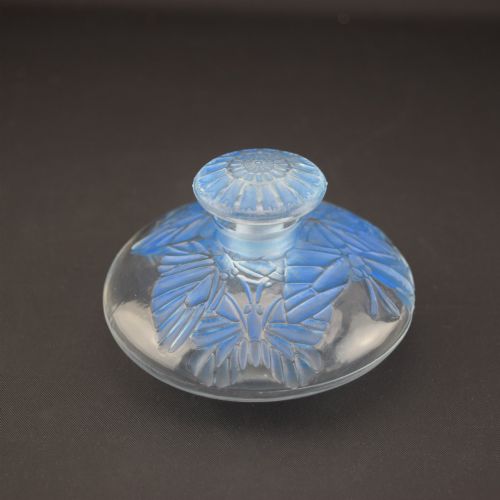
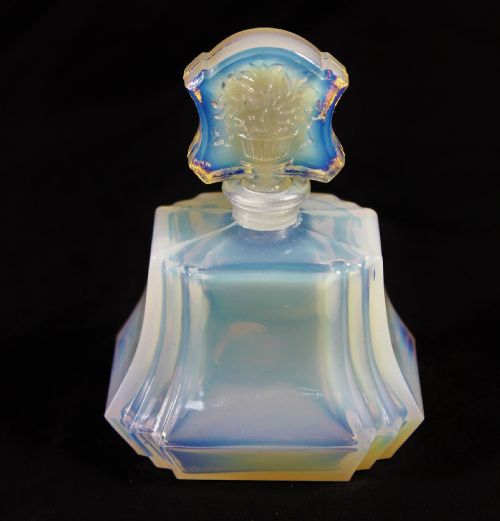
A french art glass flacon brings together tactile frosted surfaces and sculptural stoppers, making them coveted centrepieces for a dressing table.
French Art Glass Flacon
A french art glass flacon is a decorative vessel designed to hold perfume or scent, produced during the early decades of the twentieth century. These pieces bridge utilitarian function and sculptural art, serving as miniature monuments to glassmaking history.
Buyers encountering this selection will predominantly find works from the Art Nouveau and Art Deco periods. These vessels frequently manifest as perfume bottles and scent bottles featuring distinctive moulded details and elaborate stoppers.
The aesthetic evolution moves from organic, flowing botanical motifs toward geometric symmetry as the decades progress. Each specimen captures the distinct artistic temperament of its respective decade, from the 1910s onward.
Production Methods and Materials
Makers utilised various techniques involving opalescent glass, frosted glass, and pressed glass to achieve subtle shifts in opacity and light diffusion. Contrasting details were often heightened through the application of a black patina into the recessed moulded lines.
Production frequently relied on specialised moulding processes that allowed for high-relief sculptural elements on both the body and the stopper. Certain examples also incorporated blue stained glass to introduce vibrant colour contrasts against the frosted surfaces.
Original packaging such as cardboard boxes occasionally survived alongside the glass vessels, preserving the complete presentation intended by the maker.
Listings feature works from the 1910s, 1920s, and 1930s, reflecting both Art Nouveau and Art Deco design vocabularies.
Distinctions in Quality
Quality rests significantly in the crispness of the moulded relief and the complexity of the glass formulation itself, particularly in how opalescent properties catch the light. Softer or blurred details indicate worn moulds or secondary casting runs.
The presence of intended contrasting finishes, such as a dark patina within the crevices, adds depth and visual clarity to the sculptural decoration. The harmonious fit between the stopper and the neck of the bottle also demonstrates precision during production.
Rene Lalique·Sabino
The French Art Glass Flacon Glossary
- Opalescent Glass
- Glass that exhibits a milky, milky-blue, or fire-like translucence when illuminated from certain angles. This effect is achieved through the inclusion of specific chemical agents during the melting process.
- Frosted Glass
- Glass rendered opaque with a matte surface texture, typically produced by acid-etching or sandblasting. This treatment diffuses light softly across the sculptural contours.
- Pressed Glass
- Glass shaped by being pressed into a mould using a plunger or mechanical press. This technique enabled the consistent production of high-relief decorative patterns.
- Black Patina
- A dark pigment applied to the recessed portions of a glass design to create contrast. It accentuates the fine details of moulded motifs.
- Art Deco
- A design style characterised by streamlined shapes, geometric patterns, and symmetrical compositions. It succeeded the more organic forms of the preceding era.
French Art Glass Flacon: Frequently Asked Questions
What is a french art glass flacon?
A french art glass flacon is a decorative glass bottle intended for holding perfume, produced primarily during the early twentieth century by notable European glasshouses.
These pieces function simultaneously as small sculptures and functional vessels, celebrated for their elaborate stoppers and tactile moulded surfaces.
How do I date a glass flacon?
Dating relies on stylistic indicators such as the flowing organic lines typical of Art Nouveau or the geometric symmetry associated with Art Deco.
Signatures, registry marks, and known production periods of the specific maker further help establish the approximate decade of manufacture.
How were these flacons used originally?
These vessels were designed to sit upon dressing tables to contain and dispense liquid scent or perfume for personal grooming.
The ground glass stoppers served to seal the contents inside while complementing the sculptural design of the main body.
What causes the opalescent effect?
The opalescent effect results from specific chemical compounds added to the molten glass batch, which scatter light as it passes through the material.
This creates a characteristic milky or bluish glow when the glass is viewed in direct light.