


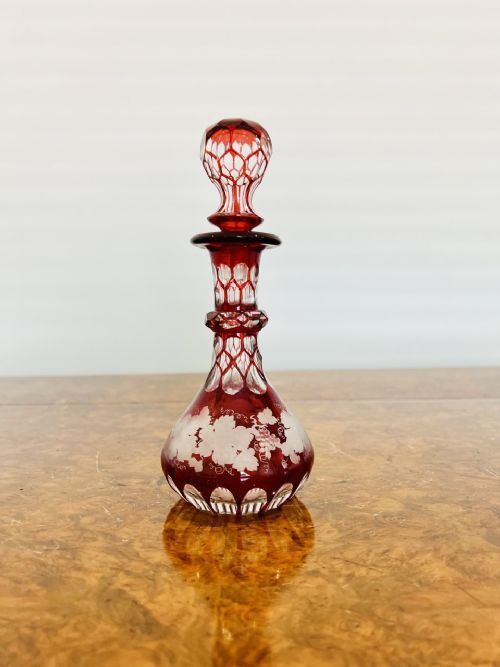


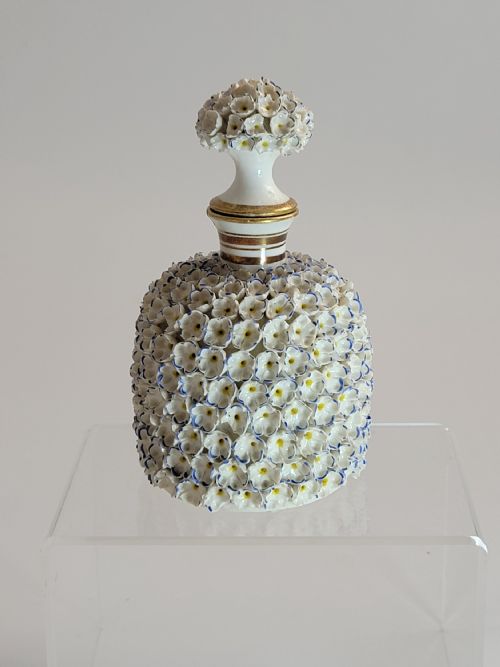


Antique Scent Bottle Stopper
An antique scent bottle stopper is a small, functional detail of glass or metal that completes a dressing table accessory from the Victorian, Edwardian, or Art Deco eras.
Antique Scent Bottle Stopper
When you examine an antique scent bottle stopper, you are looking at miniature craftsmanship designed to seal volatile perfumes. These pieces survive either fitted to their original vessels or as loose elements separated from their bottles over time.
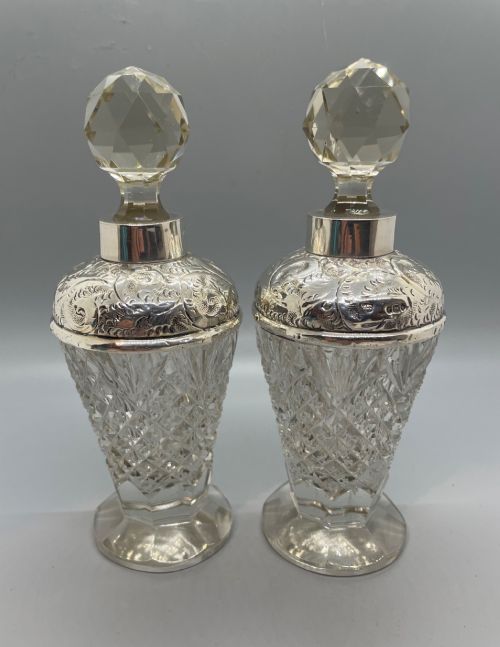
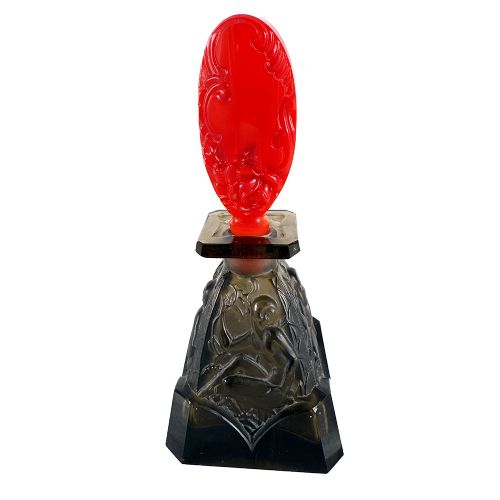
The versions most common on this page range from Victorian silver-mounted cut glass to moulded Art Deco glass from Czechoslovakia and France. They represent the dressing table wares of the nineteenth and early twentieth centuries.
Makers fashioned these stoppers to match the aesthetic of the accompanying scent bottles, drawing on styles such as Art Nouveau, Chinoiserie, and George V designs. Each period brought distinct forms to the dressing table.
Materials and Technique
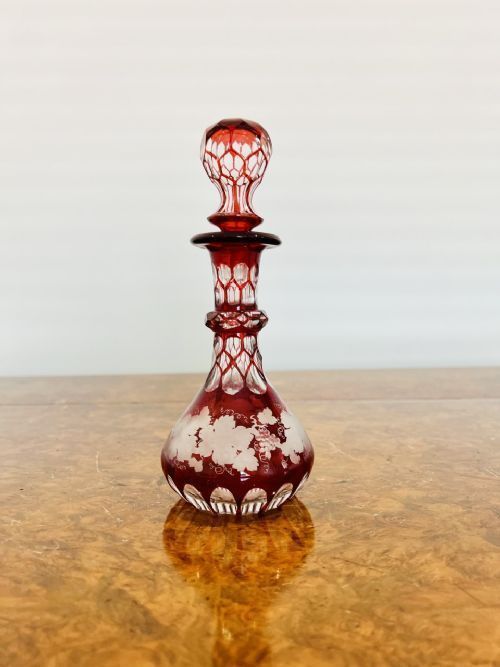
Glass forms the primary material, utilising techniques like cutting, moulding, and frosting to create tactile surfaces. Makers also employed opalescent glass and cranberry overlay to catch the light on dressing tables.
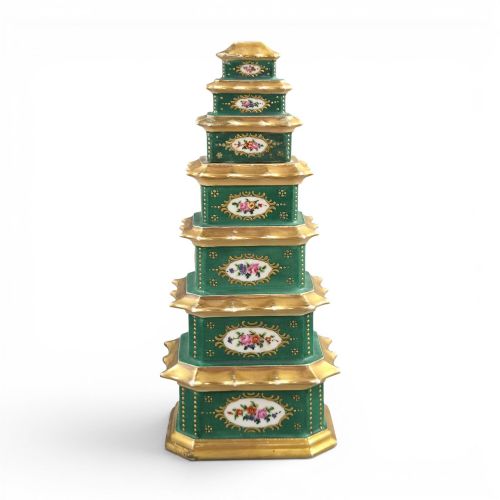
Silver, sterling silver, and gold leaf provide structural mounts and collars for the glass bodies. Enamel work and porcelain add coloured decoration to the metal and ceramic components of the pieces.
Carved hardstones such as agate appear in select pieces alongside interior-painted Chinese snuff bottles. These varied techniques show the scope of material combination applied to miniature containers.
Listings show glass and porcelain as the dominant materials, complemented by silver mounts and enamel decoration across Victorian and Art Deco periods.
Assessing Quality
The distinction between ordinary and exceptional pieces lies in the crispness of the glass cutting and the purity of the material. Heavy, brilliant-cut glass represents a higher tier of workmanship than light, plain vessels.
Integration between the stopper and the bottle demonstrates the maker's skill, particularly where stoppers are ground to fit a specific neck. Original matched components command greater interest than assembled pairs.
Karl Palda·Rene Lalique·Royal Worcester·Sabino
The Antique Scent Bottle Stopper Glossary
- Stopper
- The ground-glass or metal plug designed to seal a perfume bottle and prevent evaporation. It forms the primary functional element of the vessel.
- Opalescent glass
- Glass that diffuses light with a milky, iridescent glow, common in French Art Deco pieces. This effect shifts in appearance depending on the angle of the light.
- Cranberry overlay
- A layer of rich red glass fused over a clear or white glass core before cutting. The technique allows the clear glass to show through the cut patterns.
- Silver collar
- A band of silver fitted around the neck of a bottle to secure the stopper or provide a mounting point for a chain. These mounts often carry hallmarks indicating the year and place of assay.
Antique Scent Bottle Stopper: Frequently Asked Questions
How do I date an antique scent bottle?
Dating relies on the style of the glass cutting, the presence of silver hallmarks, and characteristic manufacturing techniques of periods like the Victorian era or Art Deco.
Changes in fashion from ornate Victorian floral motifs to geometric Art Deco lines help narrow the decade of production.
Are stoppers usually original to the bottles?
Many surviving pieces retain their original stoppers, particularly when ground to fit a specific hand-carved or moulded neck.
Replacements do occur because loose stoppers were easily separated or broken during daily use on dressing tables.
What materials were used for these bottles?
Makers utilised clear cut glass, frosted glass, and opalescent glass, frequently pairing them with sterling silver collars, enamel, and porcelain.
More unusual examples incorporate carved agate or interior-painted glass for the body and closure.
How were these bottles used historically?
Owners kept them on dressing tables to hold concentrated perfumes, smelling salts, or spirits for personal use throughout the day.
The tight-fitting stoppers were essential for preventing the liquid contents from evaporating in warm rooms.