


Silver Overlay Scent Bottle
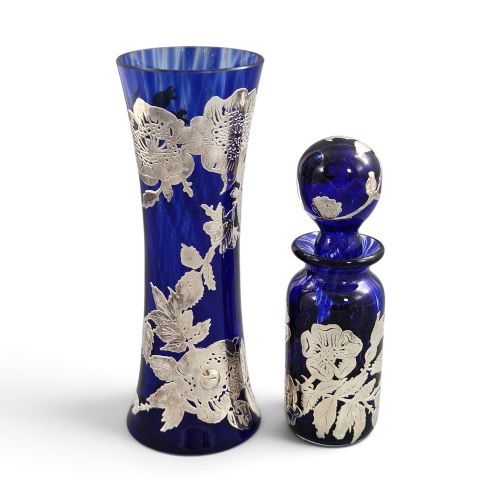
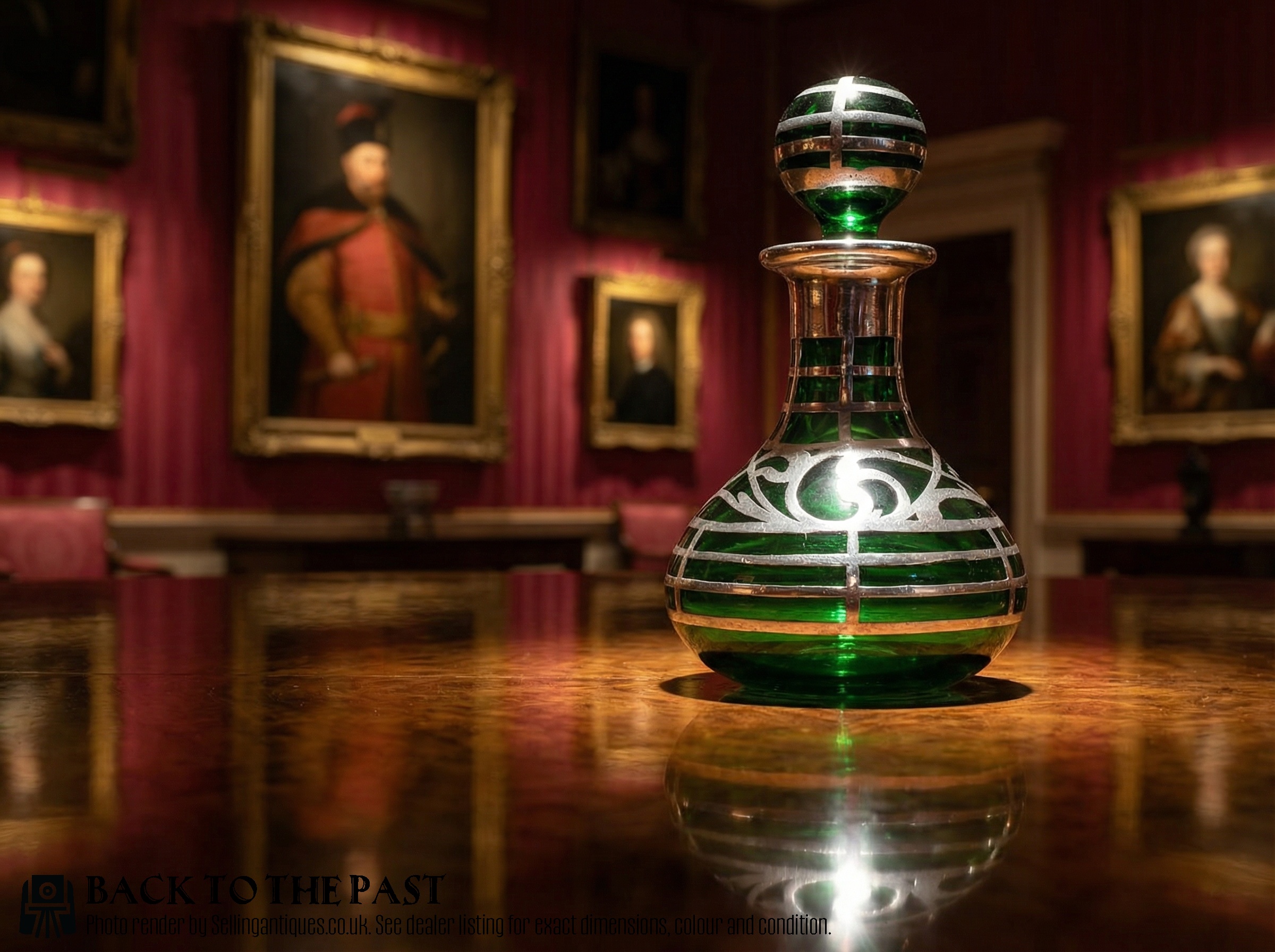
A silver overlay scent bottle combines metalwork with coloured glass for the dressing table.
What a silver overlay scent bottle is
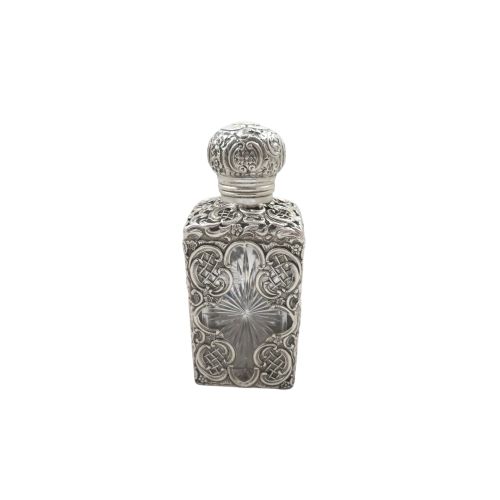
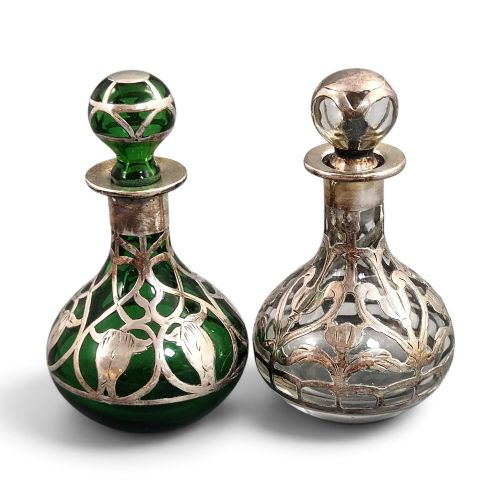
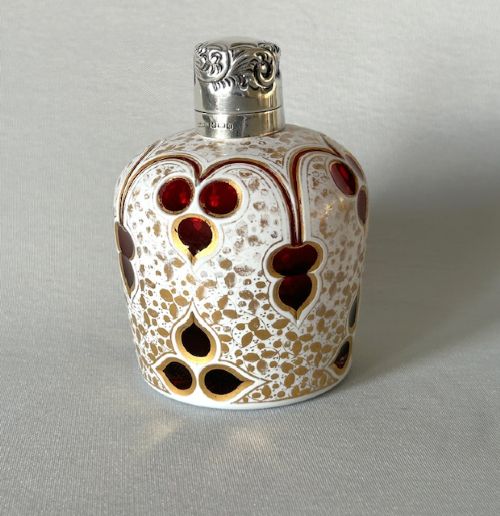
A silver overlay scent bottle pairs a glass vessel with decorative sterling silver mountings, forming a distinct vanity accessory. These pieces span the Victorian, Edwardian, and Art Deco periods, drawing on styles from traditional cut glass to organic Art Nouveau forms.
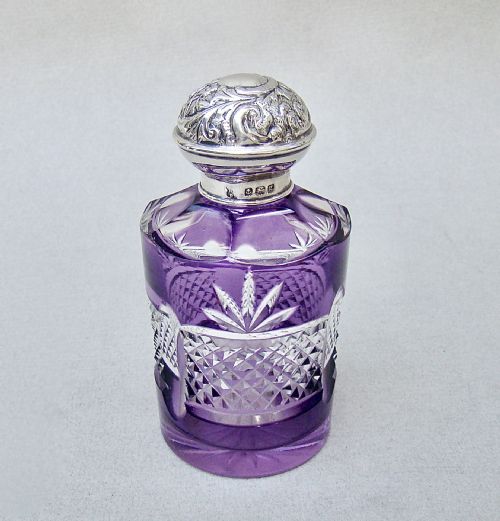
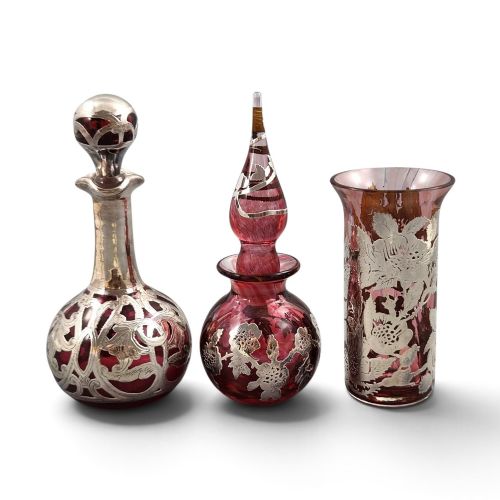
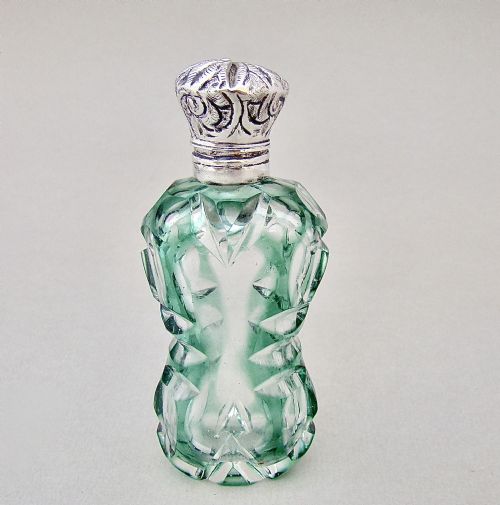
The glass body beneath the metal cage appears in various shades, including ruby, blue, green, amber, and amethyst. Collectors encounter these vessels shaped as perfume bottles or integrated into larger vanity sets.
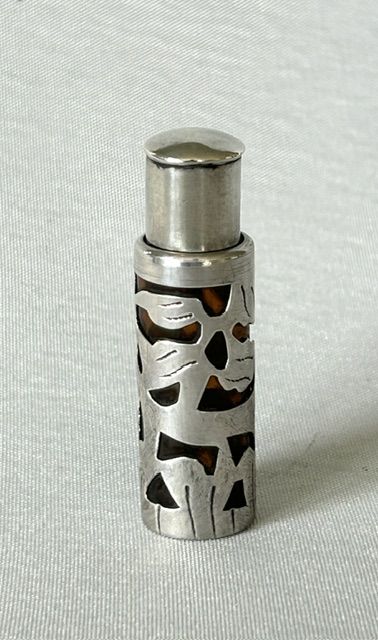
Originating largely from British and American makers, these items reflect the dressing table tastes of the late nineteenth and early twentieth centuries. The silver work wraps the body to provide both decoration and grip.
How they were made
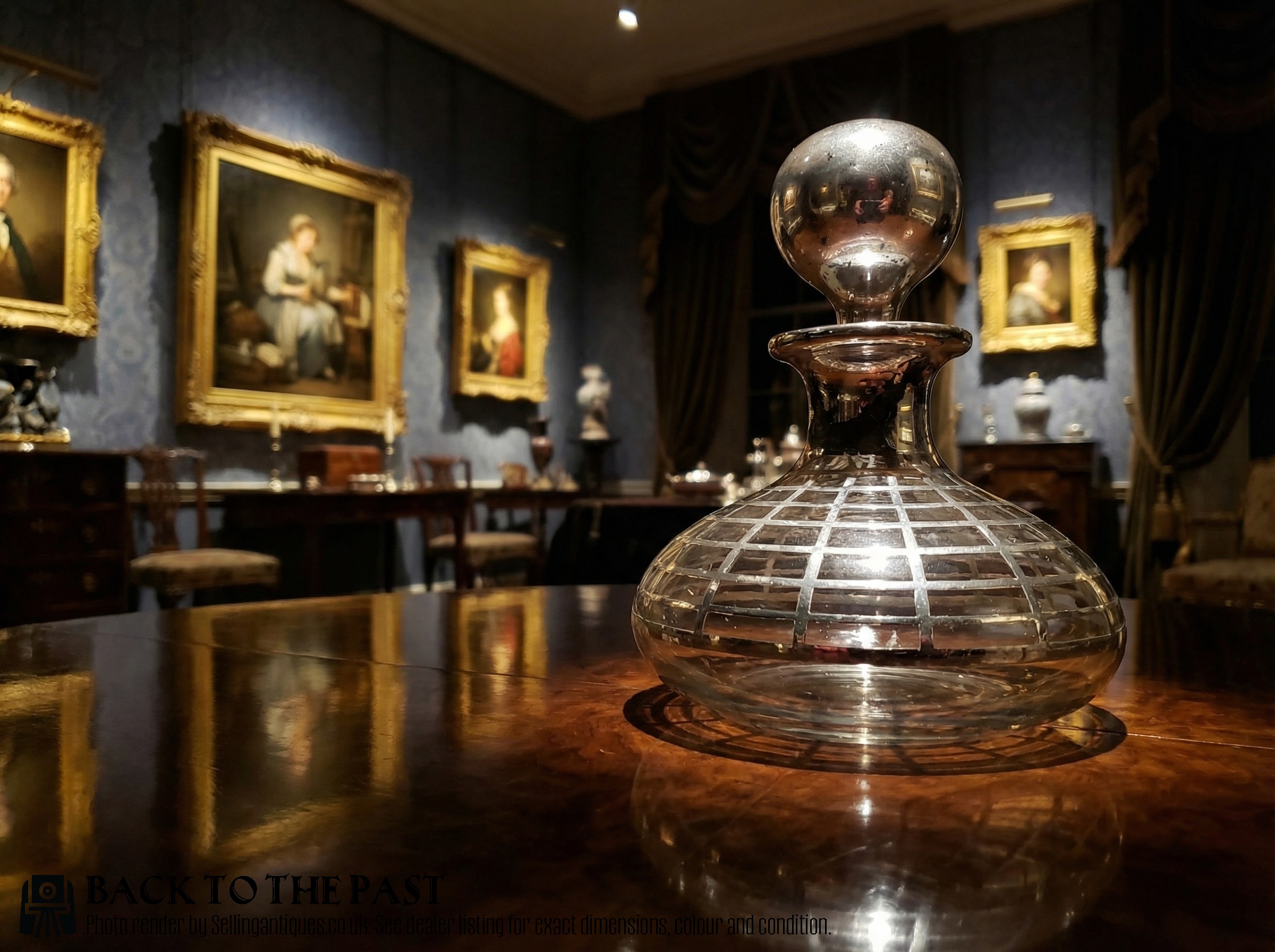
Silversmiths pierced and cut sheet sterling silver into intricate floral or geometric patterns before applying the metal directly to the glass body. This overlay was often secured using chemical adhesives or mechanical pressure to fit the contours of the blown or cut glass.
The glass components were produced through blowing, moulding, or cutting, utilising techniques common in Bohemian and British glassworks. Mercury glass and layered coloured glass provided contrasting backdrops for the bright silver metalwork.
Retail Price Guide 2026
Typical UK retail prices for silver overlay scent bottle, calculated from the Sellingantiques database of over a million retail prices indexed since 2003. This retail price guide relies exclusively on Sellingantiques data; no external sources or auction records are used, so the figures do not describe the wider market.
Victorian ladies used these tiny bottles to carry smelling salts for unexpected moments of agitation.
What varies in quality
The weight and thickness of the sterling silver metalwork distinguish finer examples from simpler production. Heavier cage work with detailed chasing shows greater craftsmanship than thin, stamped metal sheets.
The quality of the underlying glass, particularly deep-toned overlay cut glass or hand-blown art glass, dictates the visual depth of the piece. Crisp facets and unblemished coloured glass elevate the overall standard of the bottle.
Gorham·Alvin·Charles May·Abrahams And Co·The Mousley Brothers
The Silver Overlay Scent Bottle Glossary
- Silver Overlay
- A technique where sterling silver is applied to the exterior of a glass or ceramic object. This creates a decorative metallic cage over the coloured glass beneath.
- Mercury Glass
- A double-walled blown glass filled with a liquid silvering solution and sealed. It gives a reflective mirror-like appearance beneath the silver metalwork.
- Sterling Silver
- An alloy of silver containing ninety-two point five percent silver by mass. This standard metal is used widely for the decorative mountings on these bottles.
- Cut Glass
- Glass shaped and patterned by abrasive wheels and polishing. The resulting facets catch the light through the gaps in the silver cage.
- Art Nouveau
- A style characterised by flowing, organic lines and floral motifs. This aesthetic heavily influences the asymmetrical silver patterns found on pieces from the turn of the twentieth century.
Frequently Asked Questions
What are silver overlay scent bottles?
These items are glass perfume containers encased in decorative sterling silver metalwork. They date primarily from the Victorian and Edwardian eras.
Craftsmen fused metal and glass to create functional dressing table accessories that display both silversmithing and glass-making skills.
How do I tell Victorian from Edwardian pieces?
Victorian examples often feature deep blue, amethyst, or ruby cut glass with ornate, dense floral silver patterns. Edwardian pieces tend to lean towards lighter Art Nouveau styling with sweeping plant motifs.
Hallmarks stamped on the silver mountings provide the definitive date and origin of the metalwork.
How should I display them?
Keep these bottles away from direct sunlight to preserve the rich colours of the glass bodies. Placing them on mirrored trays helps reflect light through the cut glass facets.
Ensure they rest on stable surfaces where the delicate silver cage and stoppers remain secure from accidental knocks.
What is mercury glass?
Mercury glass is a blown, double-walled material with a silvered reflective coating inside the walls. It creates a metallic sheen that complements the outer silver overlay.
Despite the name, traditional pieces do not contain liquid mercury, relying instead on silver nitrate or similar compounds.