




Silver Overlay Vanity Bottle
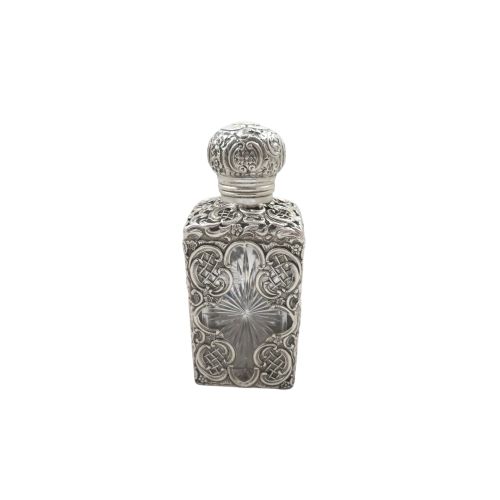
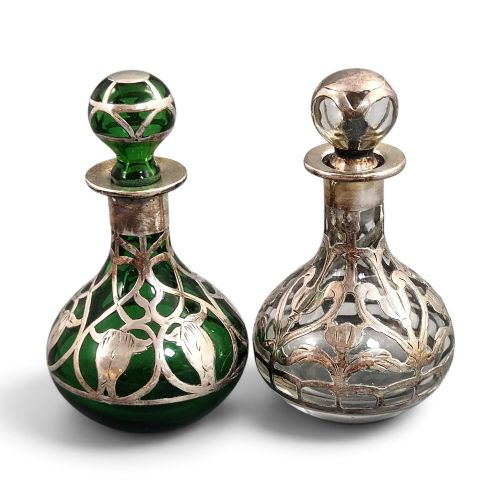
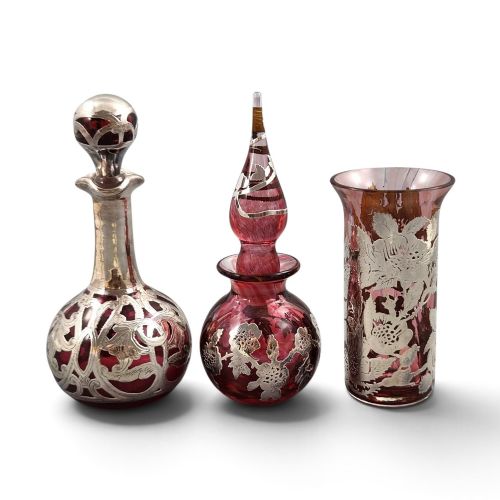
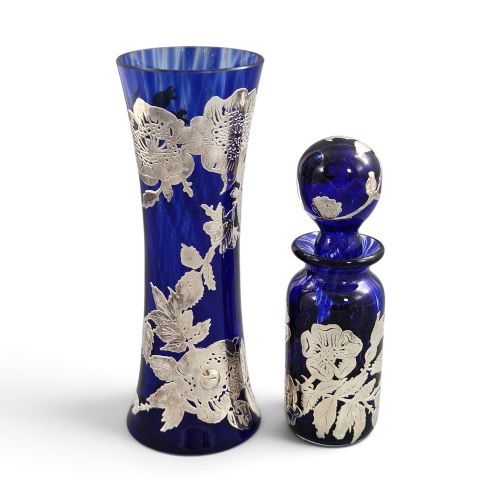
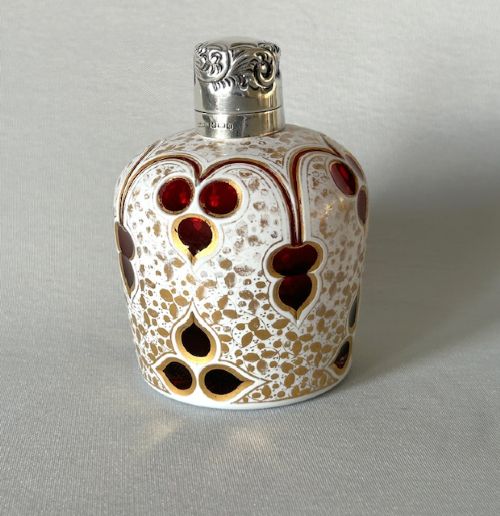
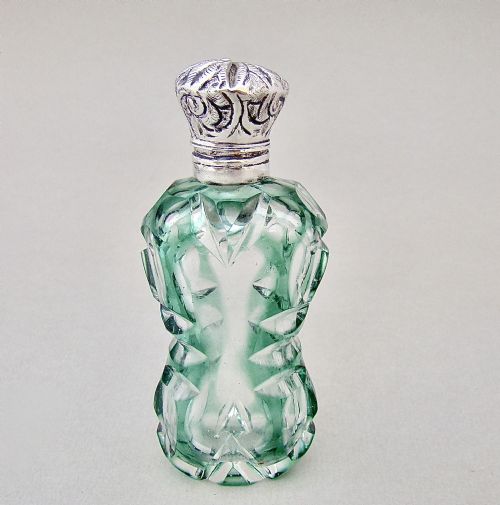
A silver overlay vanity bottle combines decorative metalwork with coloured glass, offering a decorative addition to any dressing table.
Silver Overlay Vanity Bottle
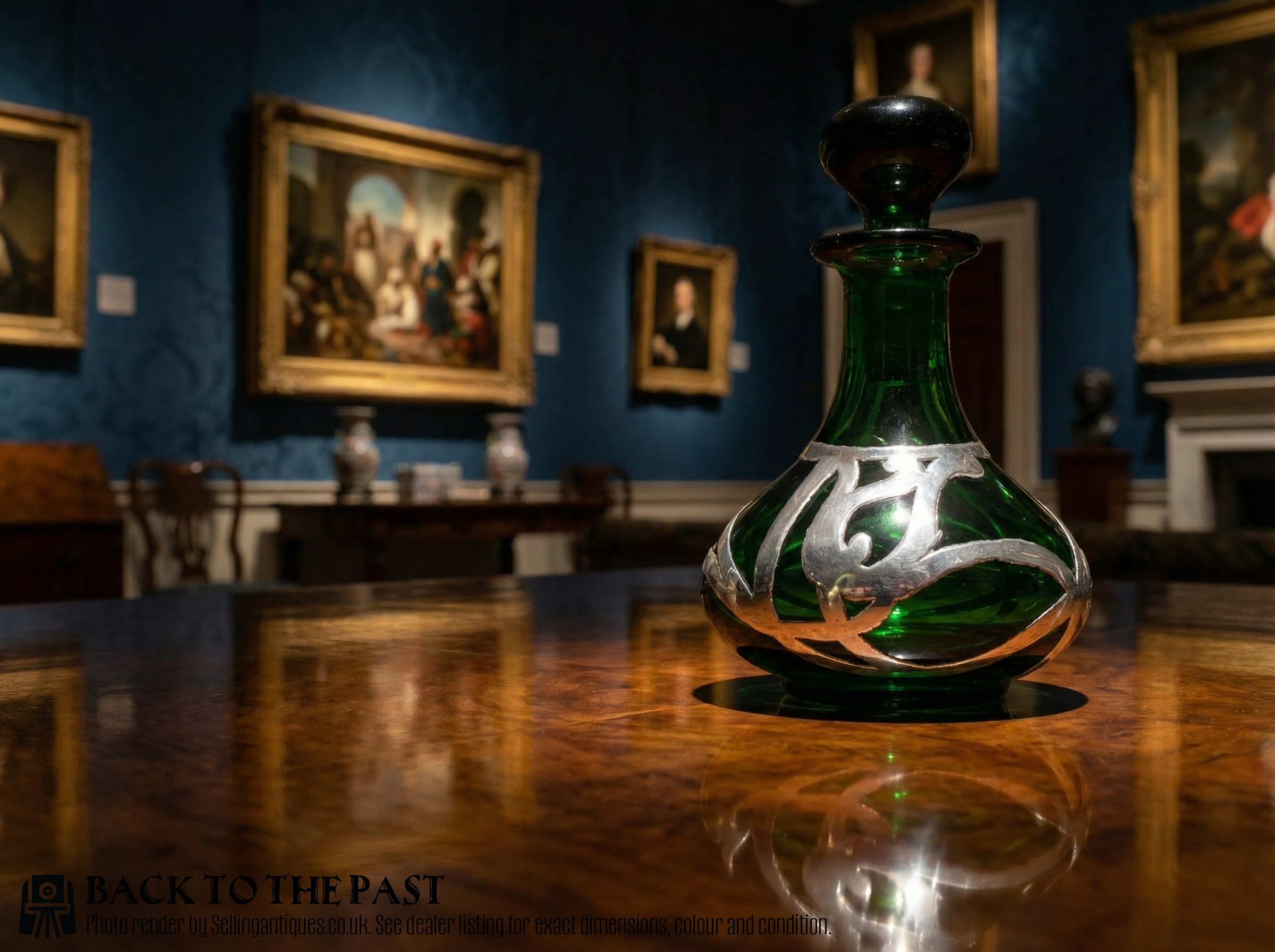
A silver overlay vanity bottle brings together glass vessels and metal mounts designed for perfumes and dressing table use. These pieces appear in forms such as scent bottles, perfume bottles, and vanity ensembles.
The most common examples on this page date from the Victorian and Edwardian periods, alongside later studio glass pieces. Buyers frequently encounter vessels featuring cut glass, green glass, ruby glass, and cobalt glass bodies.
Origins span English, French, and Bohemian workshops, reflecting distinct regional glass-working traditions. Each piece demonstrates the integration of metalwork directly onto the glass surface.
Materials and construction
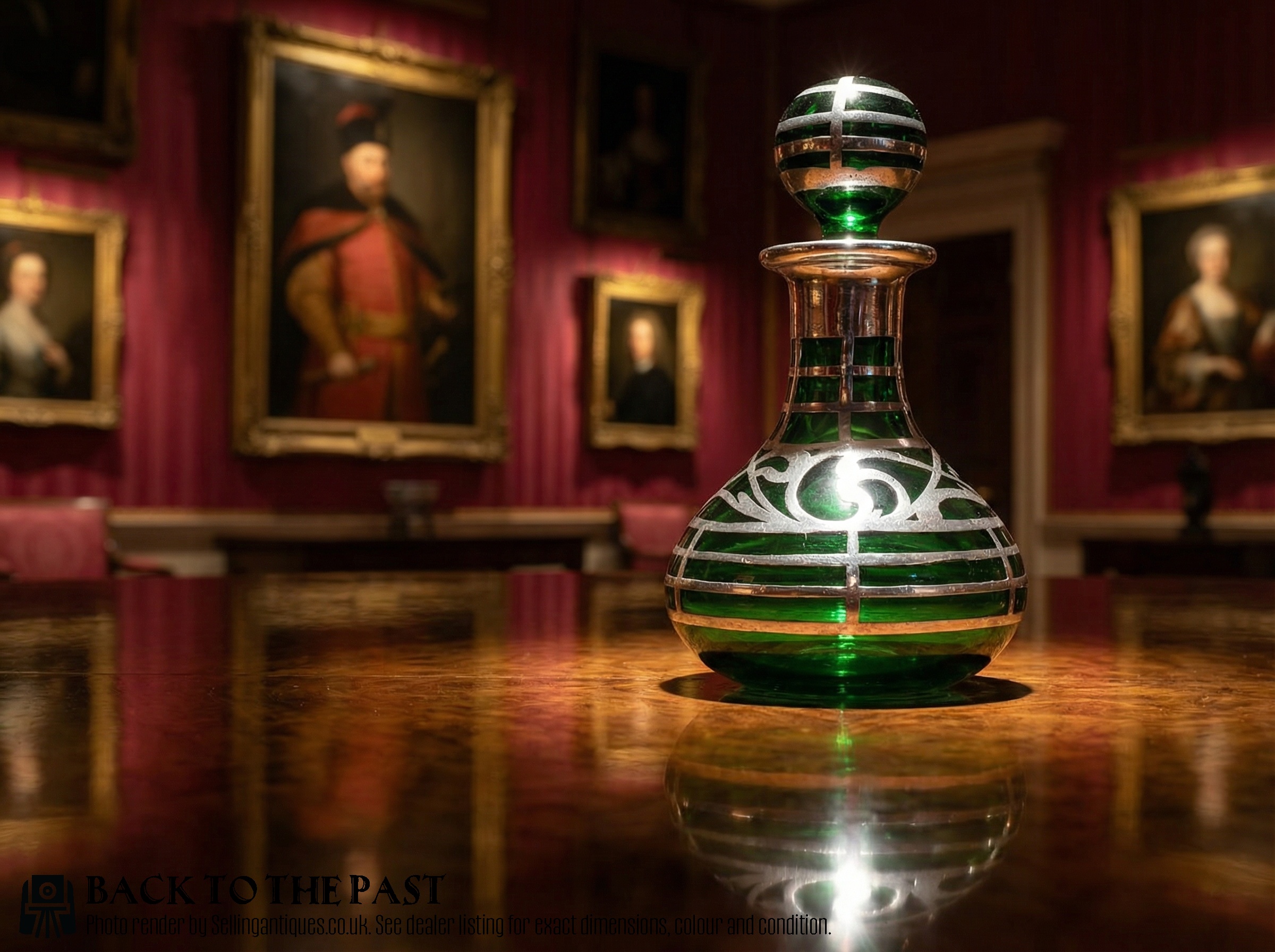
Makers utilised sterling silver and standard silver to create intricate pierced or solid metal decorations that encase the glass bodies. The metalwork was applied directly to glass substrates, including mercury glass, amethyst glass, and cranberry glass.
Art Nouveau designs frequently employed flowing floral motifs in the silver mounts, contrasting with earlier Victorian styles. Bohemian and English manufacturers combined coloured glass vessels with hallmarked silver components.
Materials recorded across the inventory include sterling silver, mercury glass, ruby glass, and Bohemian green glass.
Judging quality and craftsmanship
Quality depends on the precision of the silver overlay work and the clarity or depth of the underlying glass. Finely pierced silver patterns demonstrate greater technical skill than plain or stamped mounts.
The integration between the metal sheath and the glass body indicates the maker's proficiency. Well-executed pieces show secure attachment without distorting the underlying glass vessel.
Gorham·Laugharne Glass
The Silver Overlay Vanity Bottle Glossary
- Silver overlay
- A technique where silver is applied to the exterior of a glass or ceramic object, often in decorative floral or geometric patterns. This method became particularly popular during the late nineteenth and early twentieth centuries.
- Sterling silver
- An alloy consisting of ninety-two point five percent silver and seven point five percent other metals, usually copper. Items made from this material often bear specific hallmarks denoting purity and origin.
- Mercury glass
- A type of blown double-walled glass coated on the inside with a silver liquid solution, creating a mirror-like sheen. It is sometimes referred to as silvered glass.
- Bohemian glass
- Glassware produced in the regions of Bohemia and Silesia, renowned for coloured glass production and deep cutting techniques. These vessels frequently served as the base for nineteenth-century metal mounts.
Silver Overlay Vanity Bottle: Frequently Asked Questions
How do I clean a silver overlay vanity bottle?
Clean the silver components gently with a specialised polishing cloth while avoiding contact with the glass surface. Liquid polishes can seep underneath the metal overlay and damage the glass.
Keep the interior dry and avoid submerging older bottles in water, particularly those with mercury glass linings or fragile stoppers.
Are these bottles safe for holding perfume?
Many historical bottles retain their original glass daubers, but internal stoppers can be delicate or prone to sticking. Modern use is best restricted to display rather than storing active perfumes.
Evaporation can occur if the fit between the stopper and the neck is loose due to age.
How do I distinguish Victorian from later pieces?
Victorian examples often feature deep-cut glass or rich coloured bodies like cranberry and green glass paired with dense floral silver work. Later twentieth-century studio glass pieces show different weight distributions and contemporary colour palettes.
Examining any visible hallmarks helps secure an accurate date for the silver mounts.
What is the difference between sterling and standard silver mounts?
Sterling silver contains a specific high purity standard and frequently carries distinct assay office marks. Other silver mounts may use lower purity standards or unmarked white metal alloys.
Checking for stamps near the base or neck of the overlay clarifies the metal composition.