
Vanity Table Scent Bottle
A vanity table scent bottle sits on dressing tables as a functional ornament, holding perfume while catching the light in coloured or cut glass.
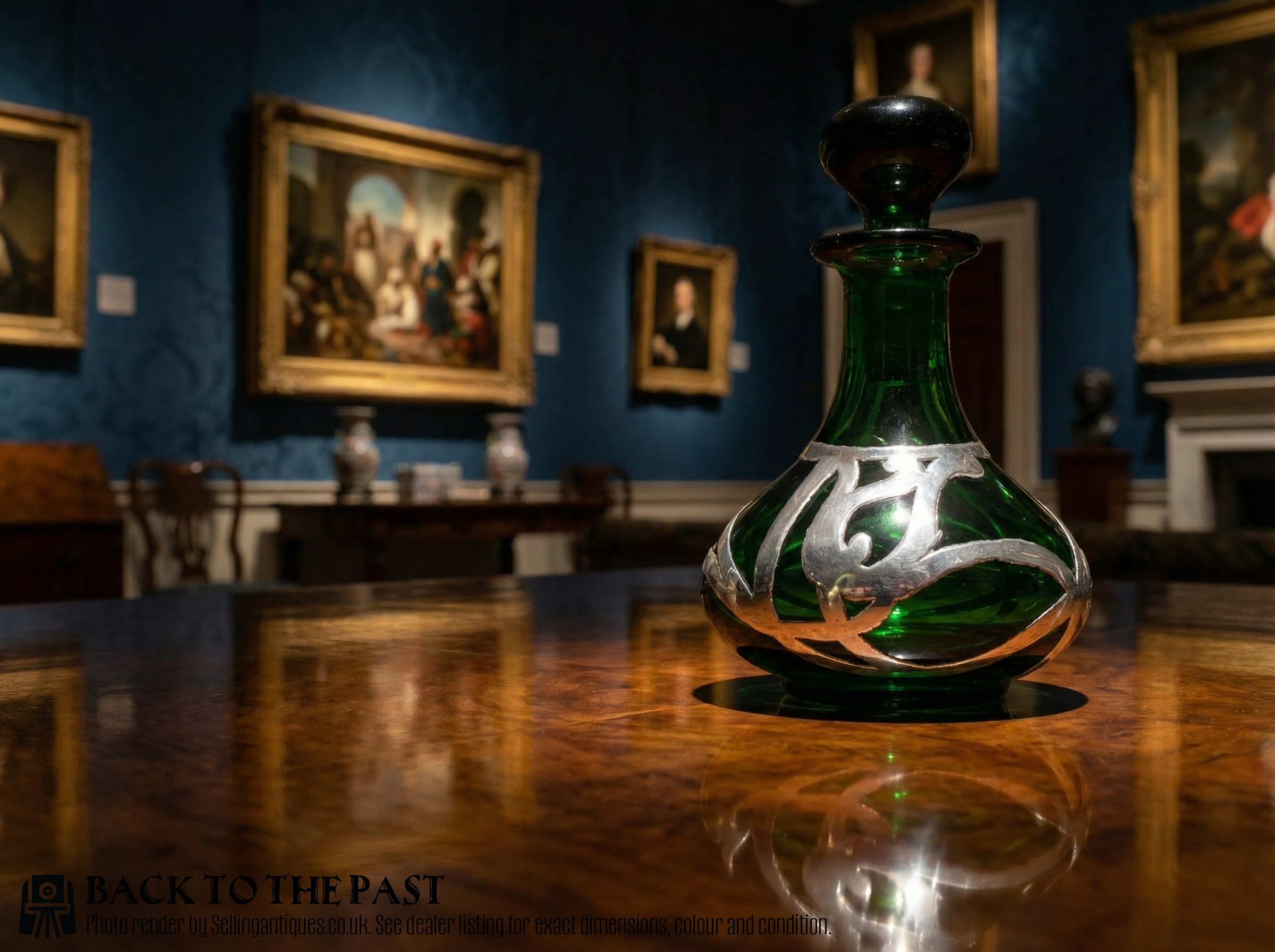
Vanity Table Scent Bottle
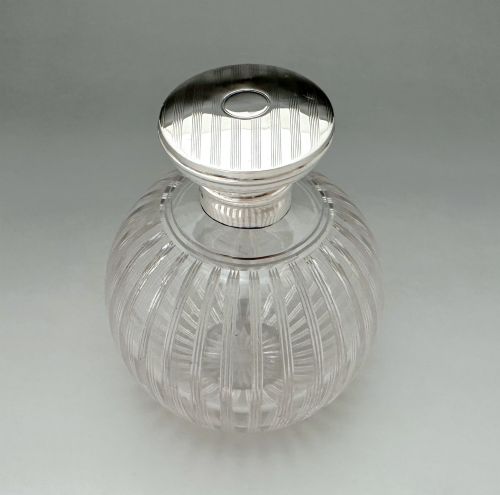
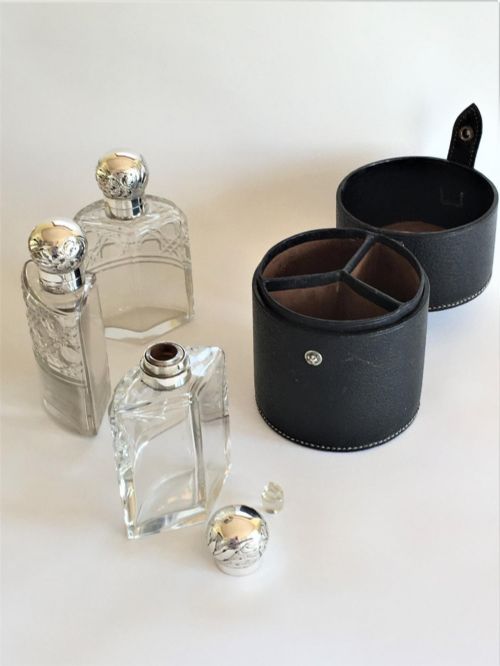
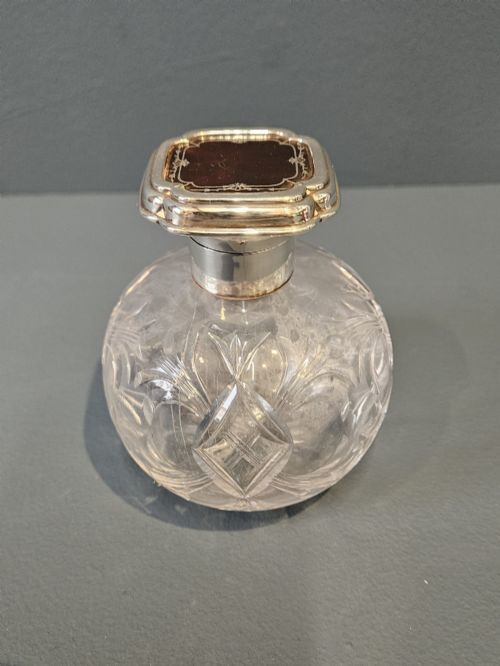
A vanity table scent bottle is a small vessel designed for holding perfume, cosmetics, or volatile spirits on a dressing table. These pieces range from pocket-sized travel flasks to heavier dresser jars meant to stay in one place.
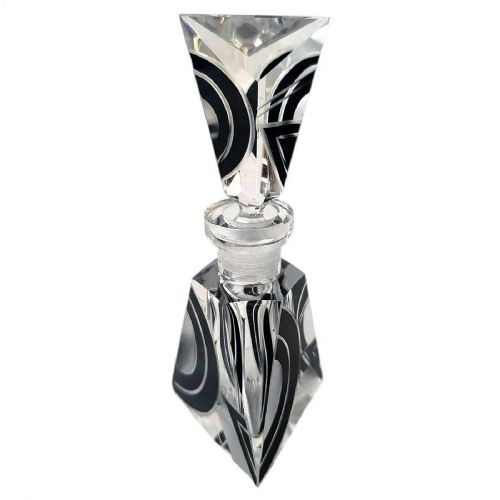
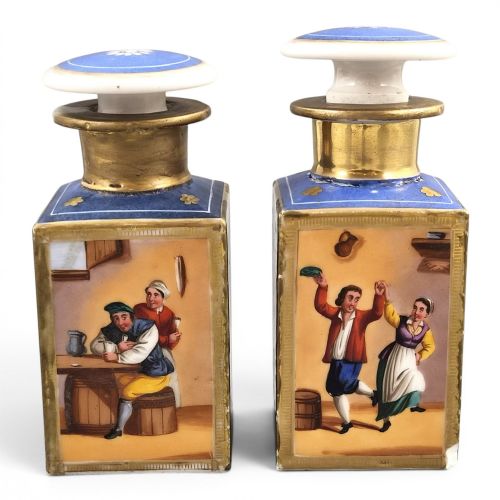
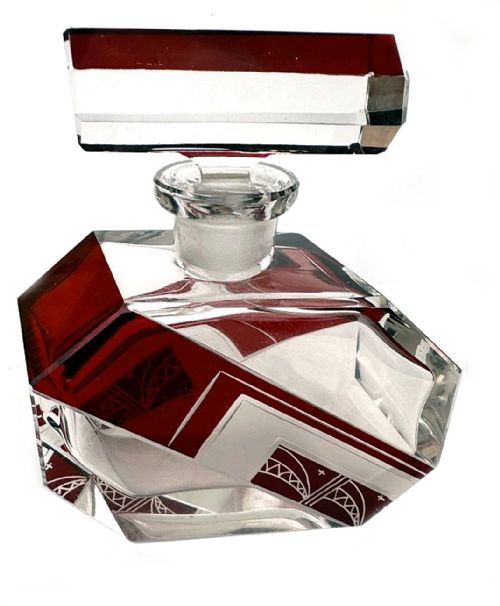
The pieces on this page span from the nineteenth century into the twentieth, encompassing Victorian and Edwardian examples alongside geometric Art Deco designs. Buyers encounter everything from simple cut glass cylinders to enamelled and silver-mounted showpieces.
Materials and construction methods
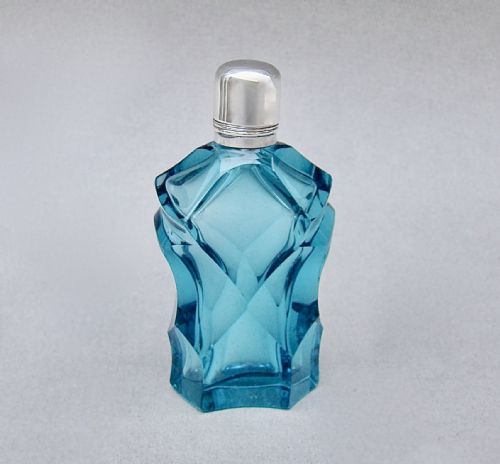
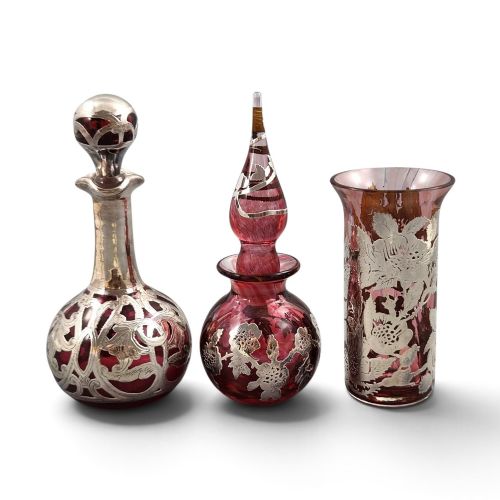
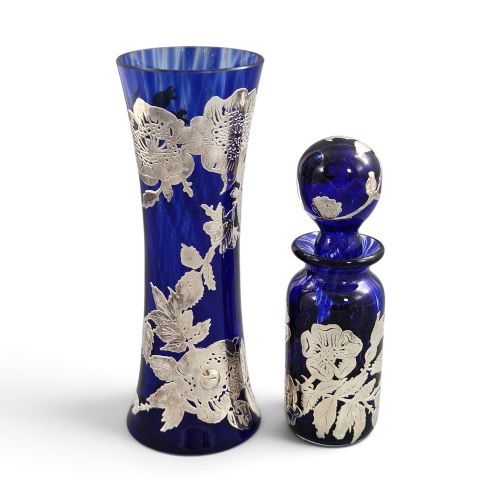
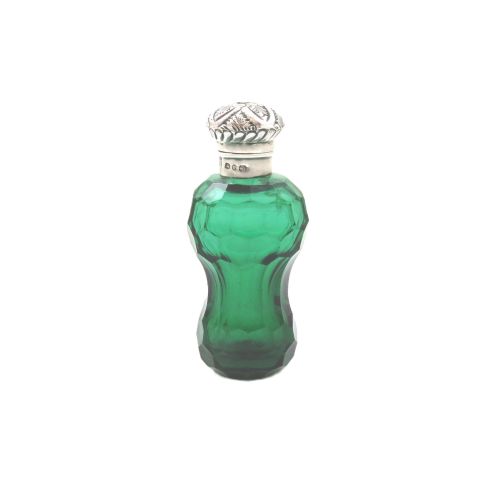
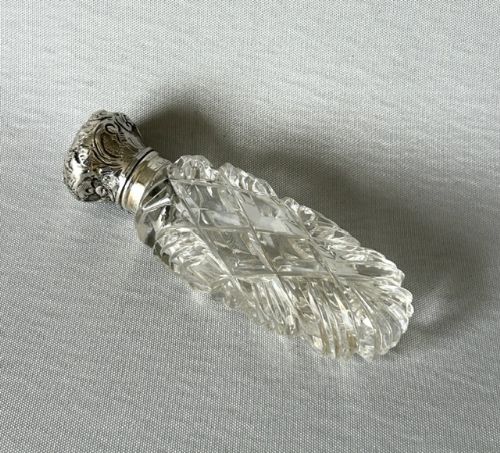
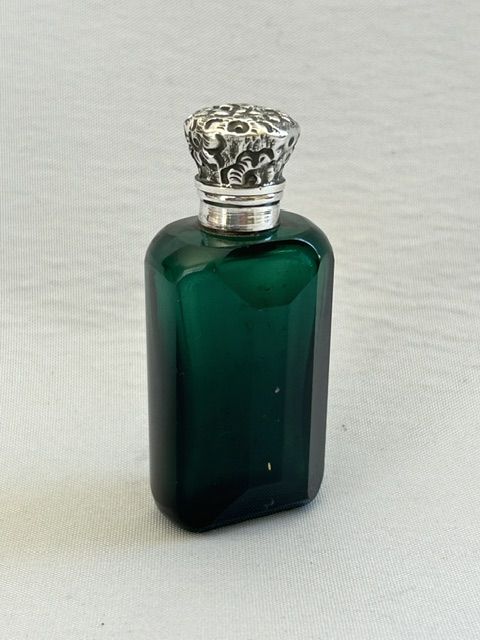
Makers shaped the bottles using blown or cast glass, often applying deep geometric or sliced cuts to refract light through the vessel. Coloured glass varieties received their hues through metallic oxides added during the molten stage.
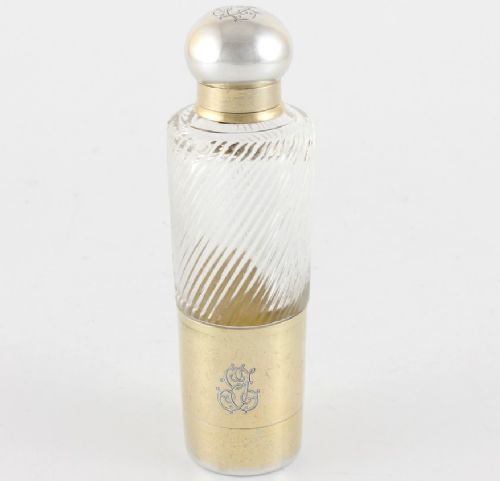
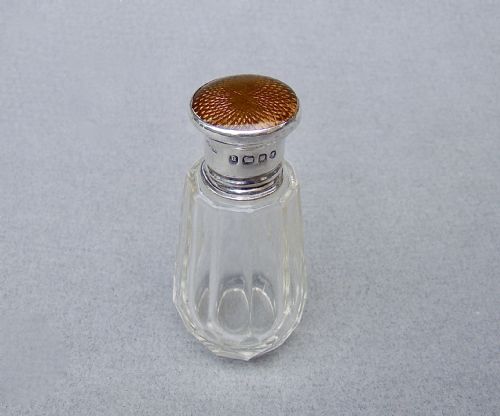
Mounts, collars, and lids typically utilise sterling silver, silver gilt, or chrome, secured around the glass necks with cork or friction fits. Enamel work and tortoise shell inserts frequently decorate the metal tops of later twentieth-century and Art Deco editions.
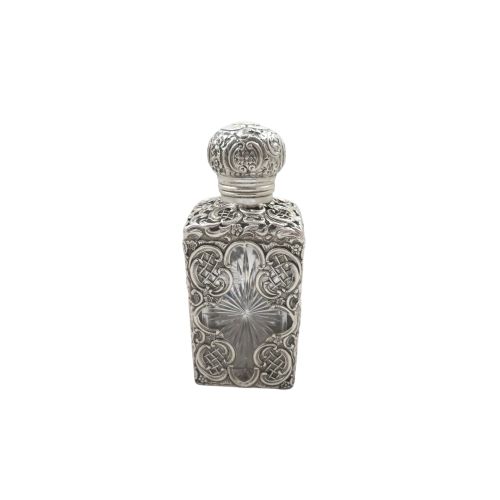
Overlay techniques appear where silver is pierced and fitted tightly over the glass body, creating high-contrast patterns across the surface.
Some Victorian travellers carried their fragrance safely inside walnut caskets fitted with miniature velvet nests.
Markers of distinction in manufacture
Quality rests heavily on the precision of the glass cutting and the clarity of the material itself. Sharp, deep facets demonstrate superior hand-polishing compared to softer, mould-rounded edges.
The execution of the metal mounts distinguishes standard commercial production from finer silversmith work. Well-fitted lids that close flush to silver collars, intact hallmarks, and crisp enamel detailing indicate higher workshop standards.
Gorham·Jacob Petit·Karl Palda·Henry Perkins·Rene Lalique·Rudolf Hlousek
The Vanity Table Scent Bottle Glossary
- Sterling silver
- A silver alloy containing 92.5 percent pure silver by mass, frequently used for the hinged lids and collars of these vessels.
- Opaline glass
- An opaque or translucent glass developed in various pale pastel shades, popular in nineteenth-century decorative containers.
- Atomiser
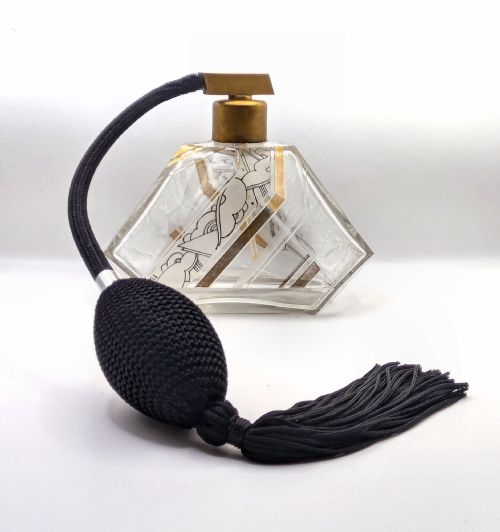
- A spray mechanism fitted to a perfume bottle, allowing the user to mist the liquid rather than dab it.
- Slice cut
- A method of glass cutting that removes broad, flat planes from the exterior surface to create geometric facets.
Vanity Table Scent Bottle: Frequently Asked Questions
How do I date a vanity table scent bottle?
Dating relies on a combination of hallmarks on the silver mounts, the manufacturing style of the glass, and overall design movements like Victorian revival or Art Deco geometry.
Assay office stamps and maker marks on the metal provide the most precise chronological anchors when present.
What is the difference between a scent bottle and an atomiser?
A standard scent bottle uses a stopper or simple cap to seal the contents, requiring the user to dab the perfume directly onto the skin.
An atomiser incorporates a pump mechanism and internal tube to spray the liquid in a fine mist.
Are stoppers usually original to the bottles?
Finding a piece with its original matching glass stopper is common but not guaranteed, as these delicate components frequently suffered breakage over decades of use.
When evaluating a piece, look for consistent wear and matching glass colour between the body and the stopper.
How should I clean an antique scent bottle?
Cleaning requires gentle handling, avoiding abrasive materials that can scratch softer glass or strip thin silver gilt and enamel work.
Lukewarm water and mild soap suffice for clearing residual dried perfume from the interior without damaging historic metal mounts.