


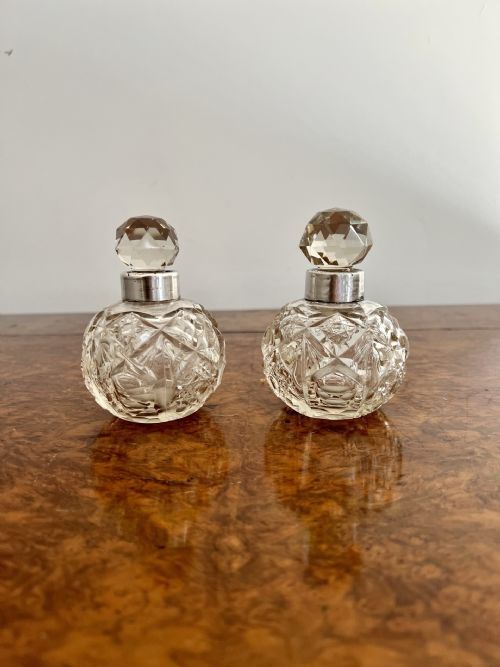


Antique Glass Toilet Bottle
An antique glass toilet bottle sits ready for your dressing table, bringing practical elegance from the Georgian, Victorian, and Edwardian eras.
Antique Glass Toilet Bottle
When you search for an antique glass toilet bottle, you encounter a refined group of vessels designed for vanity use, dressing tables, and travel. These pieces frequently appear as scent bottles, perfume flasks, vanity jars, and complete dressing table sets.
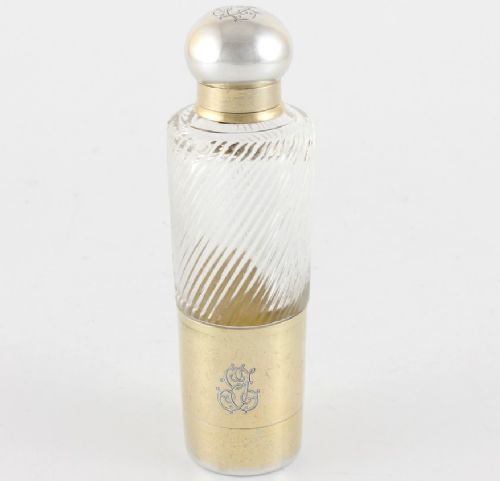
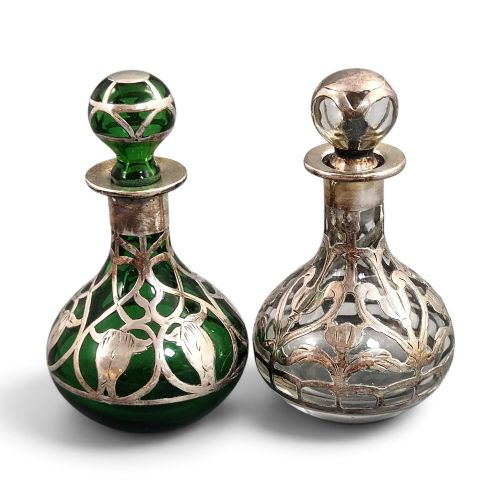
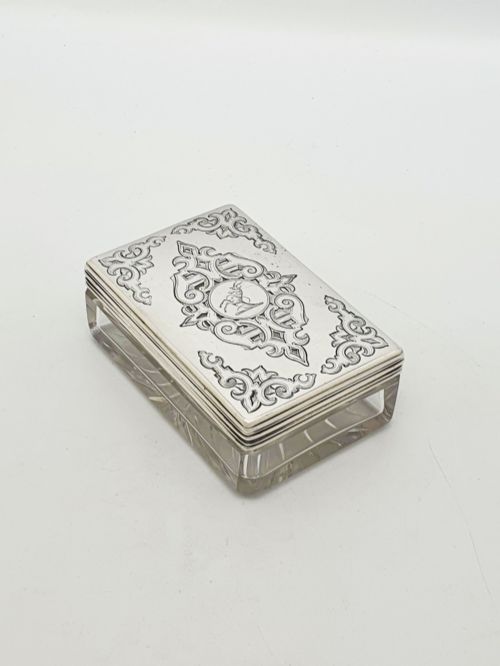
The selections span distinct periods including Georgian, Regency, Victorian, Edwardian, and the early twentieth century. You are most likely to meet cut glass bodies paired with sterling silver collars, mounts, or stoppers as you browse these items.
Materials and construction methods
Glass production relies heavily on heavy cut crystal and moulded techniques, often combined with specialised glasswork such as Clichy glass or gilt decoration. Artisans shaped these vessels to catch the light on nineteenth and twentieth-century dressing tables.
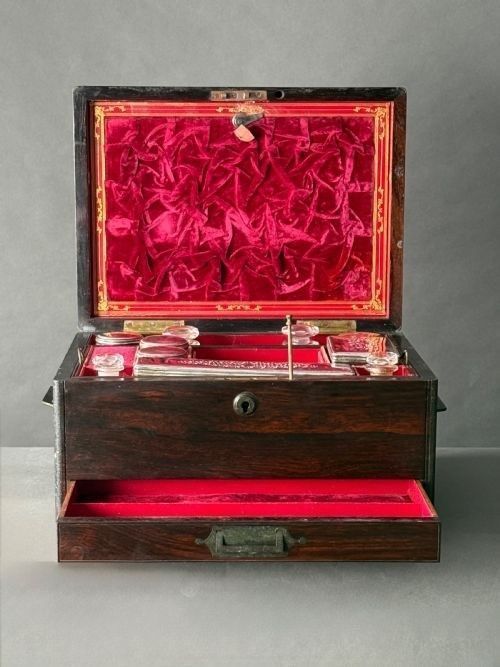
Mounts and lids utilise solid silver, sterling silver overlay, vermeil, brass, and guilloche enamel. Silversmiths frequently incorporated hallmarks that date the metalwork precisely, while fitted boxes combine woods like rosewood, walnut, and kingwood with velvet interiors.
Listings feature items from the Georgian, Regency, Victorian, and Edwardian periods, utilising cut glass, sterling silver, rosewood, and tortoiseshell.
Distinguishing quality across the range
Quality rests upon the depth and clarity of the glass cutting, the weight of the metal mounts, and the integration of maker marks. Superior examples exhibit crisp facets on the glass and heavy gauge silver rather than thin overlays.
The presence of matching sets, original stoppers, and documented makers or silversmiths elevates a piece. Finer items also showcase specialised techniques like guilloche enamel work or intricate silver overlay rather than plain mounts.
Jonathan Douglas·Goldsmith's and Silversmith's Co.·Gorham
The Antique Glass Toilet Bottle Glossary
- Cut glass
- Glass shaped by abrasive wheel grinding to create facets and geometric patterns. This technique adds weight and brilliance to vanity bottles.
- Sterling silver
- An alloy of silver containing 92.5 percent pure silver by mass. Most vanity jar lids and collars utilise this durable metal.
- Guilloche enamel
- Decorative mechanical engraving under translucent enamel. This technique appears on high-end twentieth-century vanity jar lids.
- Vermeil
- Gold plated sterling silver. It offers a warm golden finish on interior or exterior metal mounts.
- Collar
- The metal ring fitted to the neck of a bottle to secure the stopper or lid. Silversmiths often stamped hallmarks directly onto this component.
Antique Glass Toilet Bottle: Frequently Asked Questions
How do I date an antique glass toilet bottle?
Examine the silver hallmarks on the collar or lid for assay office symbols and date letters. Stylistic clues such as Art Nouveau curves or Regency box forms also indicate the period of manufacture.
Cut glass patterns and the presence of original stoppers further help establish whether a piece originates from the Georgian era or the early twentieth century.
What is the difference between a scent bottle and a vanity jar?
Scent bottles are tall or globular vessels designed specifically for liquid perfumes, usually featuring a fitted stopper or screw cap. Vanity jars are wider containers used for creams, powders, or hairpins on a dressing table.
Both items frequently share matching silver mounts and cut glass bodies within larger dressing table sets.
Are original stoppers common on these bottles?
Original stoppers appear on many pieces, though glass stoppers can occasionally be replacements due to breakage over the centuries. Checking the fit and glass type helps determine originality.
Bottles with matching cut glass stoppers hold greater interest for collectors than those fitted with generic corks or mismatched replacements.