
Antique Vanity Dressing Bottle
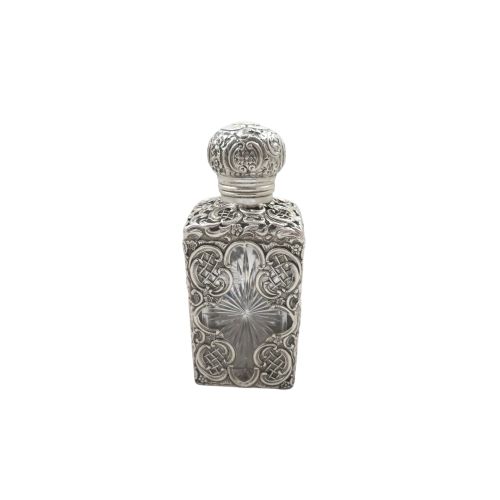
An antique vanity dressing bottle is a tactile domestic relic designed to hold scent or cosmetics upon a dressing table.
Antique Vanity Dressing Bottle
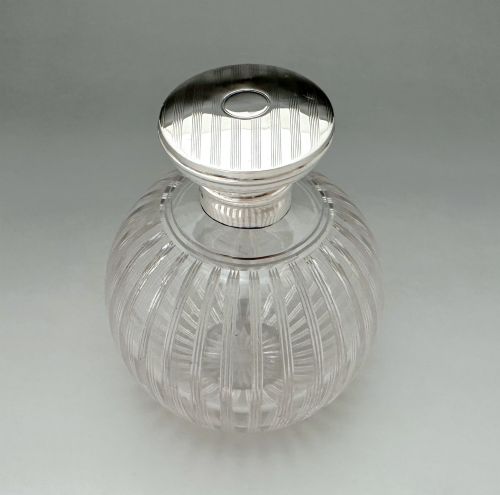
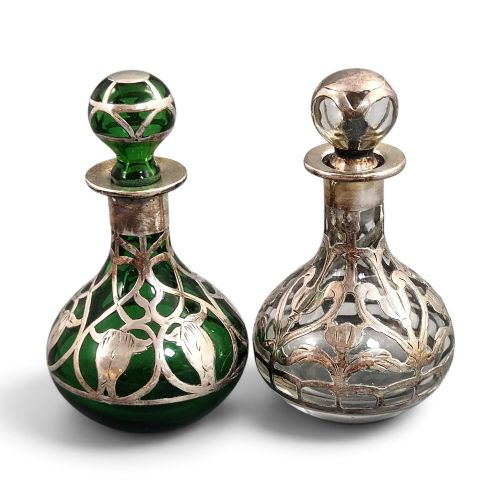
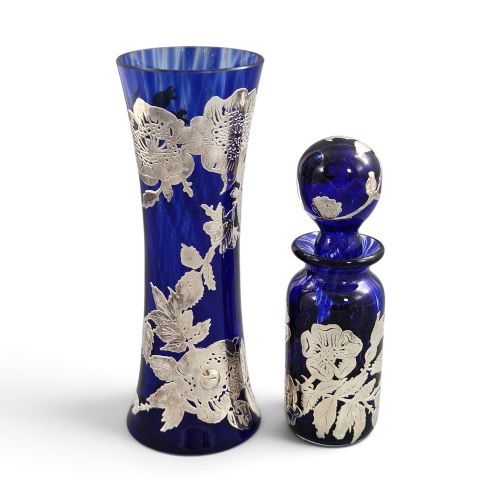
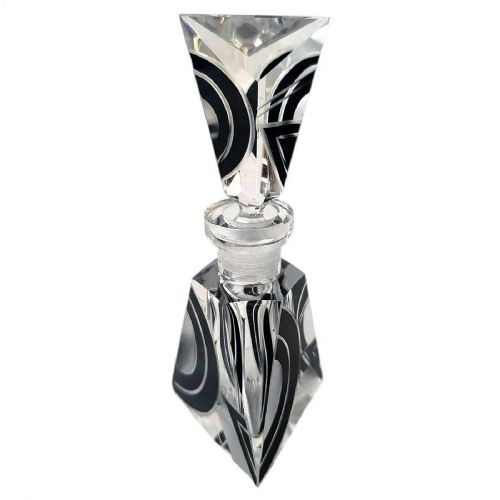
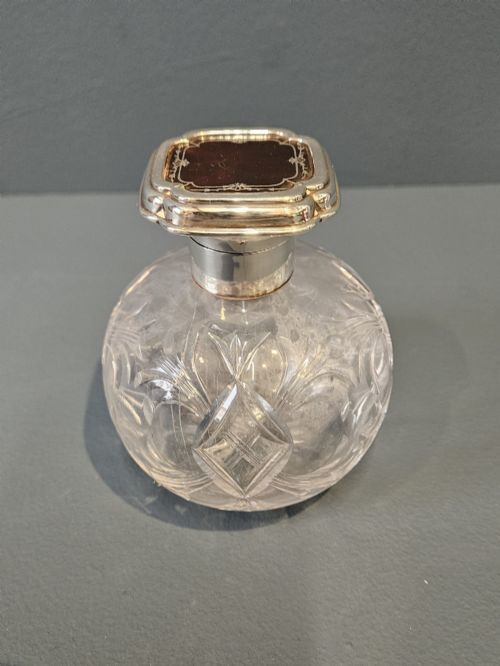
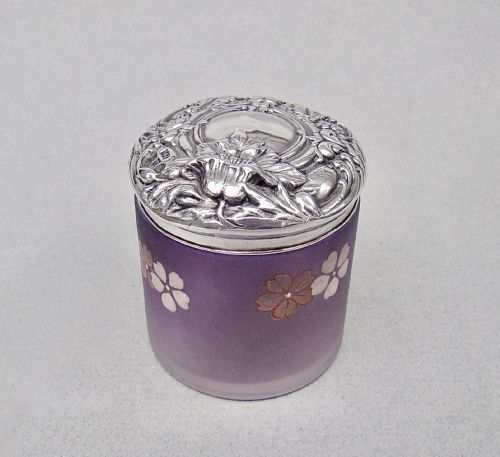
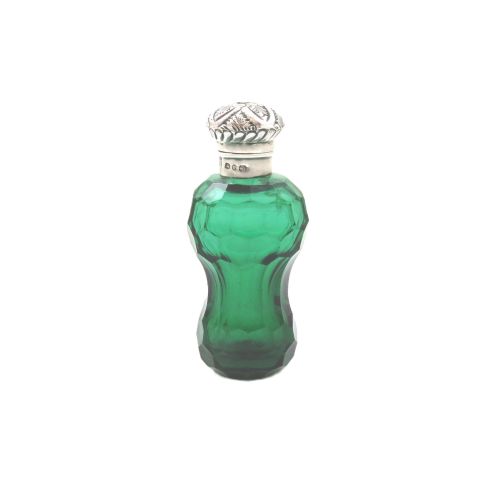
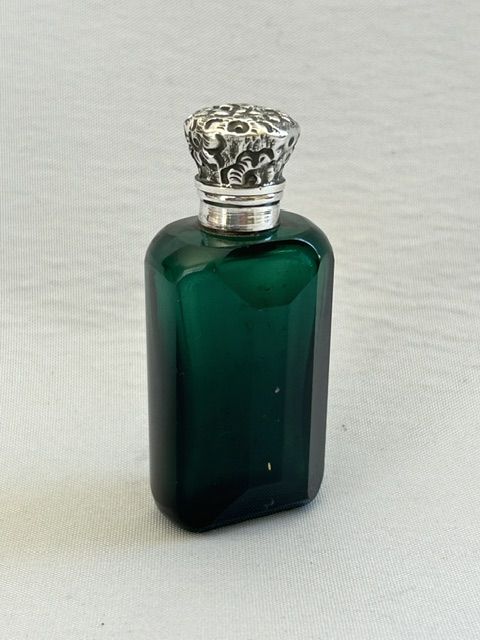
The pieces listed on this page span the nineteenth and twentieth centuries, capturing periods from the Georgian era through Victorian, Edwardian, and Art Deco designs. Victorian and Edwardian iterations frequently combine sterling silver mounts with coloured or cut glass, while later Art Deco examples showcase geometric Czech glass and enamel work.
How They Were Made
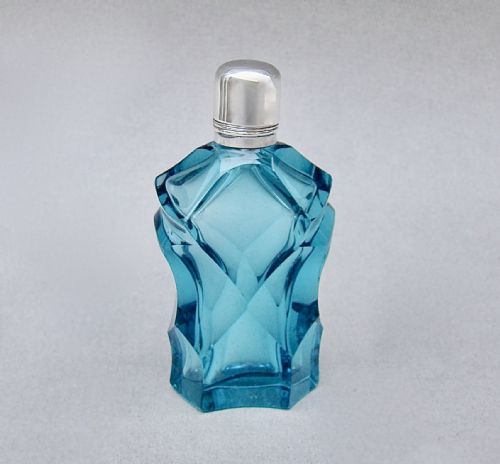
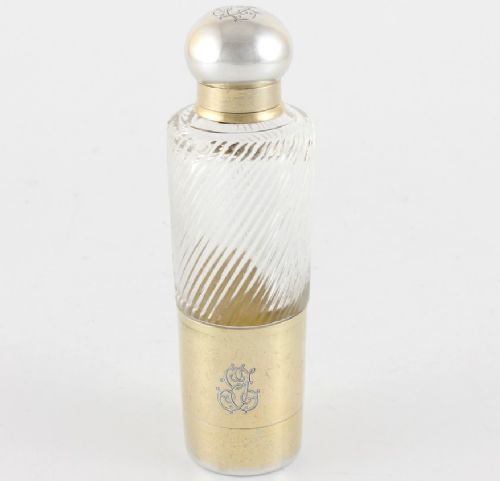
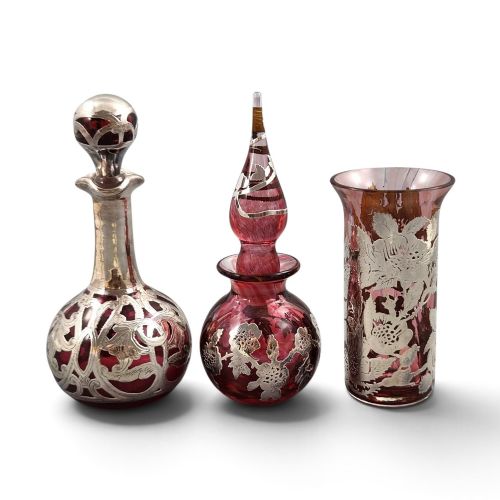
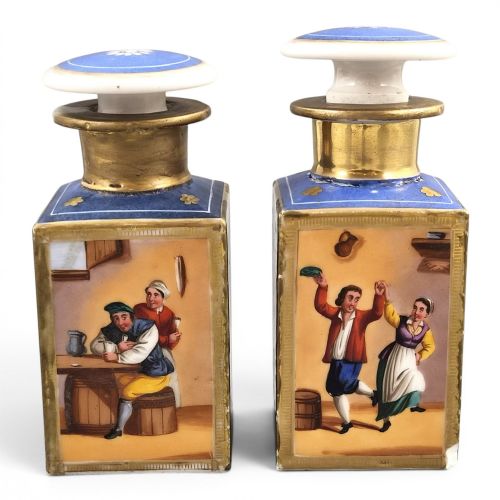
The manufacture of these vessels relies upon the combination of heavy glass or crystal bodies with metalwork components such as sterling silver, silver gilt, and brass. Glassmakers utilised moulding, slicing, cutting, and frosting techniques to shape teal, green, cranberry, amethyst, and clear glass bodies.
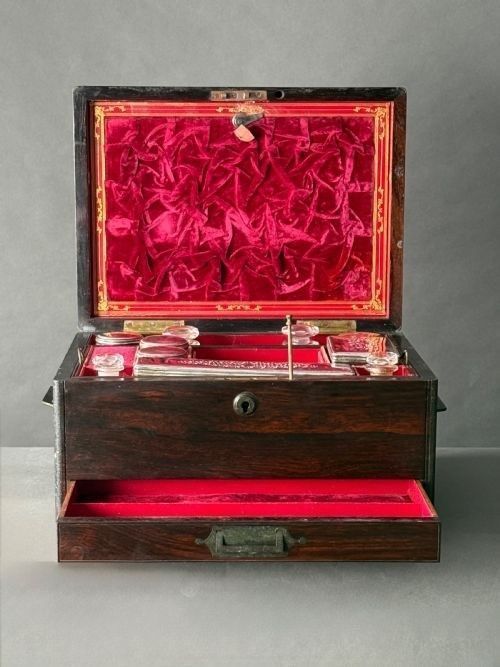
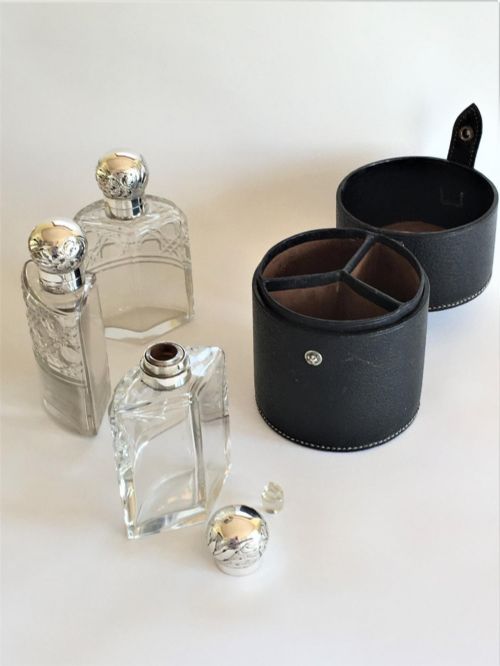
Metal smiths formed intricate lids, collars, and overlays using techniques like piercing, chasing, and enamelling. Artisans also incorporated organic materials such as tortoiseshell and velvet into the boxes, caskets, and travelling sets that housed these bottles.
Listings feature materials spanning sterling silver, cut crystal, tortoiseshell, velvet, and enamel across Victorian, Edwardian, and Art Deco styles.
What Varies in Quality
Quality in these bottles rests upon the depth and precision of the glass cutting, the weight of the metal mounts, and the integration of artistic styles such as Art Nouveau or Art Deco. Pieces bearing clear hallmarks from identifiable silversmiths or renowned designers elevate the standing of a vessel.
The condition of delicate elements like enamel work, original stoppers, and fitted leather or wooden cases separates standard utilitarian items from exceptional boudoir showpieces.
Gorham·Jacob Petit·Harold Bushell and Co·Henry Perkins·Karl Palda·Rene Lalique·Rudolf Hlousek
The Antique Vanity Dressing Bottle Glossary
- Sterling Silver
- An alloy of silver containing 92.5 percent by mass of silver and 7.5 percent by mass of other metals, usually copper. This metal appears frequently in the lids, collars, and mounts of dressing bottles.
- Cut Glass
- Glass shaped and patterned by abrasive wheels, creating faceted surfaces that refract light. This technique defines the heavy bodies of many Victorian and Edwardian examples.
- Enamel
- A glassy substance applied to metal objects by fusing through heat for ornamentation. Art Deco pieces often utilise coloured enamel on silver lids.
- Casket
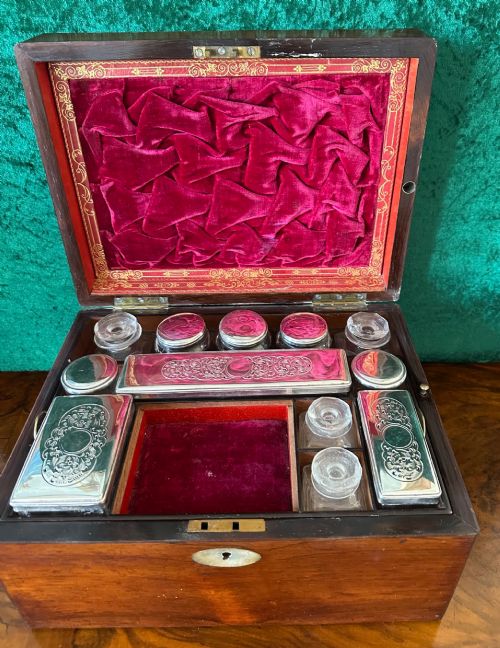
- A small ornamental box or chest used for holding valuables or vanity sets. These walnut, rosewood, or coromandel boxes frequently house matched trios of perfume bottles.
- Stopper
- A plug used to seal the opening of a bottle to prevent evaporation of scent. Original matching stoppers significantly enhance the integrity of antique dressing bottles.
Antique Vanity Dressing Bottle: Frequently Asked Questions
What is a dressing bottle?
A dressing bottle is a small container used on a vanity or dressing table to hold perfumes, colognes, or cosmetic liquids. They were essential accessories for personal grooming in domestic and travel settings.
These vessels usually feature secure stoppers and decorative metal mounts made of silver or brass to protect the contents and enhance their appearance on a boudoir tray.
How do I date a glass bottle?
Dating these pieces involves examining the style of the metal mounts, hallmarks, and manufacturing techniques of the glass body. Victorian and Edwardian examples often rely on silver hallmarks that provide precise assay years.
Art Deco items from the 1930s typically display characteristic geometric cutting or distinct enamel palettes associated with Czech makers. The presence of original fitted cases can also point to a specific period.
Are stoppers usually original?
Finding a bottle with its original matching stopper is common but not guaranteed, as these delicate glass pieces were easily misplaced or broken over time. Collectors look for stoppers that fit the ground glass neck precisely.
Replacement stoppers can sometimes be identified by slight mismatches in colour, wear patterns, or glass clarity compared to the body of the bottle.
How were travel bottles used?
Travelling sets and cased trios allowed individuals to transport perfumes and colognes safely during transit by rail or carriage. The sturdy leather, wood, or velvet cases protected the glass bottles from impact.
Silver screw caps or tight stoppers prevented leaks, ensuring that liquid cosmetics remained secure inside dressing cases and luggage.