

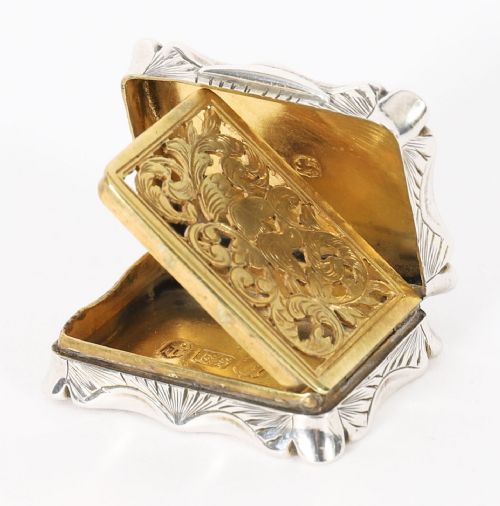


Sterling Silver Vanity Bottle
These sterling silver vanity bottle pieces are classic dressing table essentials combining precious metal with glass, sought after for their period elegance and functional utility.
Sterling Silver Vanity Bottle
When you search for a sterling silver vanity bottle, you encounter a range of personal containers designed for perfumes, colognes, and grooming liquids. These objects date across the Victorian, Edwardian, and Art Deco periods, spanning the nineteenth and twentieth centuries.
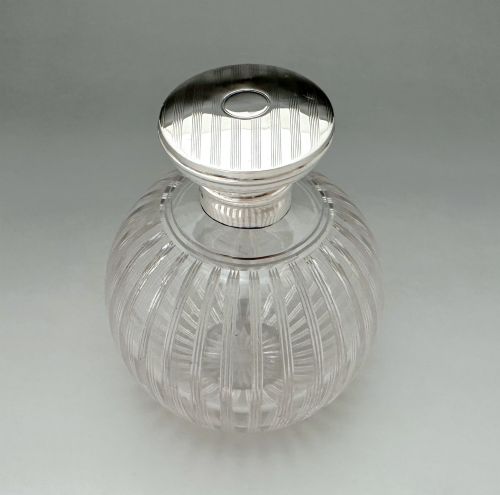
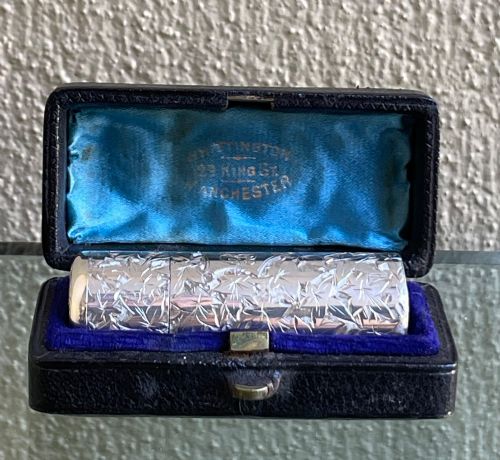
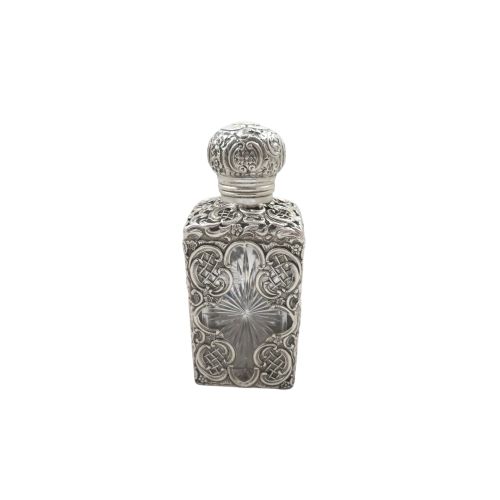
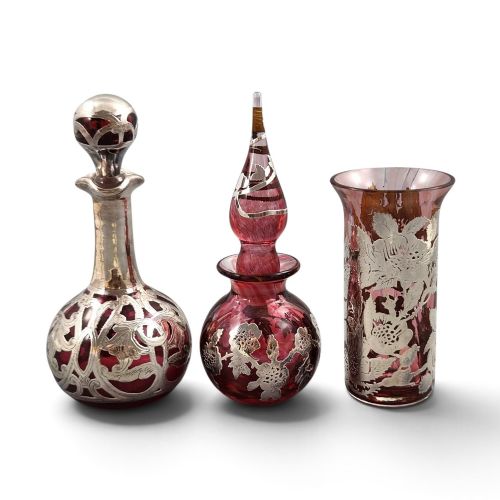
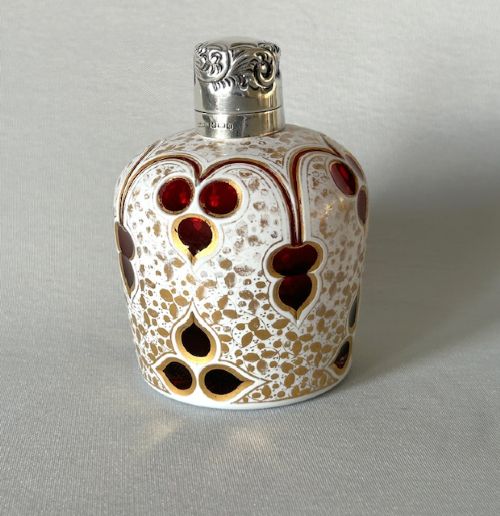
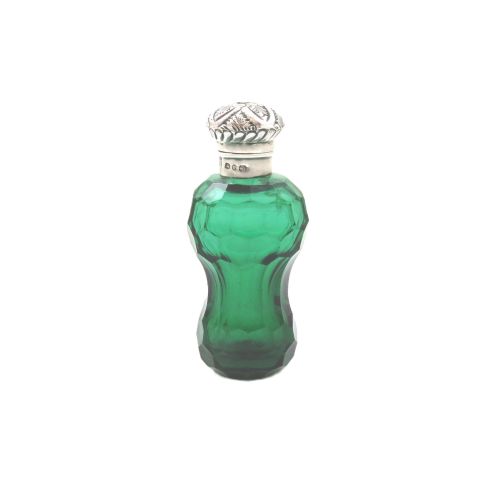
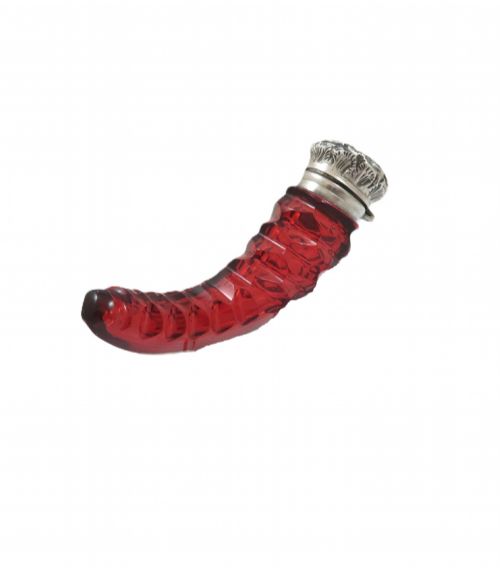
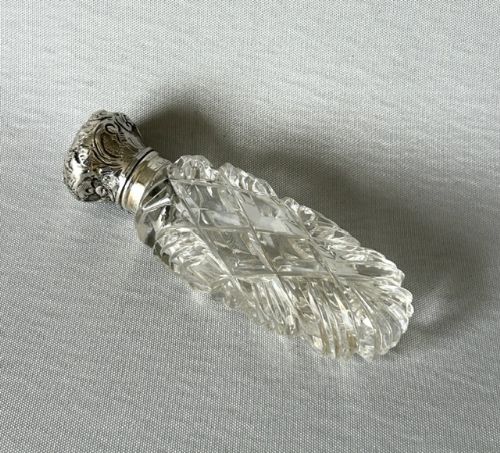
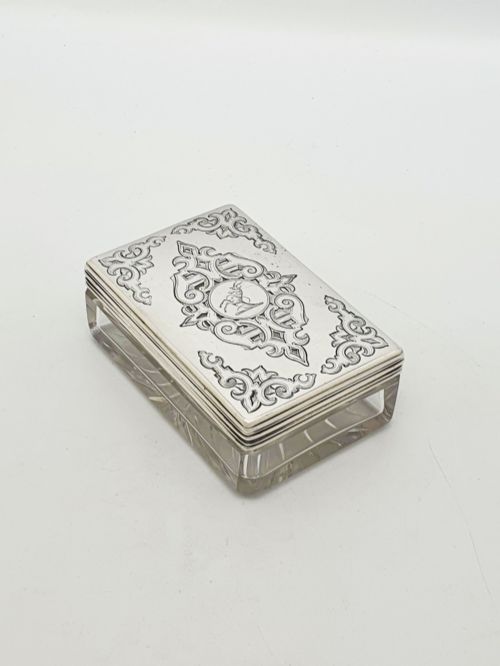
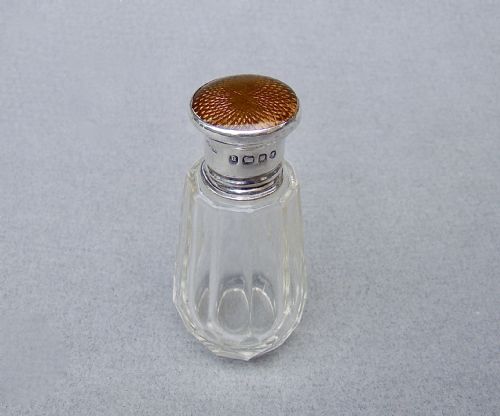
The most common versions on this page are cut glass or coloured glass scent bottles fitted with sterling silver mounts, collars, or hinged lids. Alongside standalone perfume flasks, you will occasionally find matching vanity sets, trinket boxes, and vinaigrettes.
Origins include English workshops in Birmingham, London, and Chester, alongside continental European pieces and specialist glassworks. The forms vary from globular pocket flasks to tall dressing table vessels intended for daily boudoir use.
What varies in quality
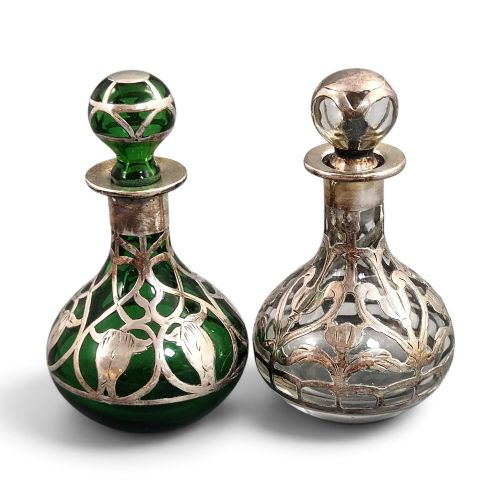
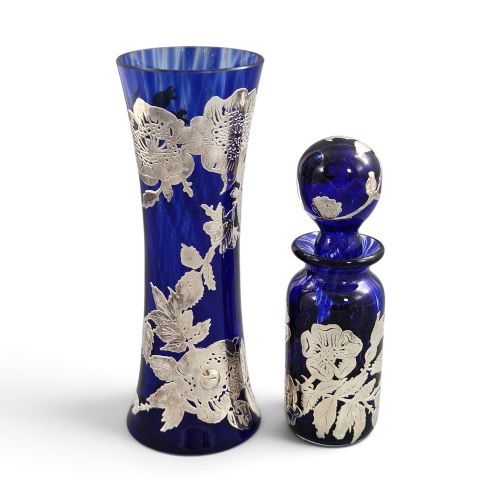
Quality rests primarily on the depth and crispness of the silver ornamentation, the weight of the glass body, and the overall harmony of the design. Examples featuring intricate Art Nouveau silver overlay or hand-painted guilloché enamel demonstrate superior artisan skill compared to plain mounts.
The preservation of original hallmarks, intact interior stoppers, and unblemished glass surfaces elevate a piece. Greater distinction belongs to items produced by noted silversmiths or paired in matching sets rather than isolated single bottles.
Sterling Silver Vanity Bottle Retail Price Guide 2026
Typical asking prices for sterling silver vanity bottle among the pieces listed under this phrase on Sellingantiques today, from the lower quarter to the upper quarter. They describe what is for sale here now, not the wider market.
Object forms range from single scent bottles and vinaigrettes to complete multi-piece dressing table vanity sets.
Horton And Allday·Gorham·Laugharne Glass·Edward Smith·Henry Perkins·G H James And Co·Barnsley And Co·Adie Brothers Ltd·George Unite·Mappin And Webb
The Sterling Silver Vanity Bottle Glossary
- Sterling silver
- An alloy consisting of 92.5 percent silver and 7.5 percent other metals, typically copper. This standard composition is stamped with hallmarks indicating origin and purity.
- Guilloché enamel
- A decorative technique where a precise geometric pattern is engraved into metal beneath a translucent layer of coloured enamel. It appears frequently on Art Deco and Edwardian vanity items.
- Vinaigrette
- A small ornamental box or bottle containing a perforated grille, holding a sponge soaked in aromatic vinegar. Victorians carried these for relief in crowded spaces.
- Silver overlay
- A process where molten silver is applied directly onto a glass or ceramic body in decorative botanical or abstract motifs. This technique defines many Art Nouveau pieces.
- Hallmark
- An official stamp applied by an assay office to guarantee the metal standard. These marks indicate the maker, town of testing, and year of production.
Sterling Silver Vanity Bottle: Frequently Asked Questions
How do I clean a sterling silver vanity bottle?
Use a soft microfibre cloth and a mild silver polish to gently clean the exterior metal mounts, taking care to avoid abrasive contact with any glass or enamel surfaces. Keep polishes away from interior linings and stoppers to preserve the material integrity.
Wash the glass interior cautiously with warm soapy water if residue remains, ensuring the bottle dries completely before replacing the cap to prevent moisture retention.
Are these glass scent bottles safe for daily use?
Most antique bottles function adequately for display or occasional application of modern perfumes, provided the internal seals and screw threads remain secure. Examine the fit of the collar to ensure the glass neck bears no strain when handled.
Vintage stoppers and cork liners often degrade over decades, so avoid laying filled bottles on their sides to prevent accidental leakage.
How can I tell a Victorian bottle from an Edwardian one?
Victorian pieces, produced between 1837 and 1901, often feature heavier cut glass with ornate, naturalistic repoussé silver mounts or dense floral engraving. Edwardian designs from the subsequent decade lean toward lighter proportions and neoclassical motifs.
Consulting the assay office hallmarks stamped on the silver provides the exact year of manufacture, removing guesswork regarding stylistic periods.
What is silver overlay and how is it made?
Silver overlay is a decorative method where liquid silver is painted onto a blown glass blank and fired in a kiln to bond the metals permanently. Acid etching was sometimes employed on the glass first to create a textured grip for the silver.
This technique reached peak popularity during the Art Nouveau period, yielding organic, flowing designs that wrap seamlessly around the contours of perfume flasks.