




Edwardian Perfume Bottle
When you handle an edwardian perfume bottle, you hold a tangible piece of a vanishing dressing table ritual.
Edwardian Perfume Bottle
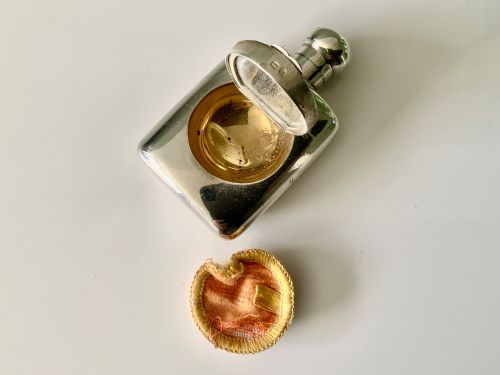
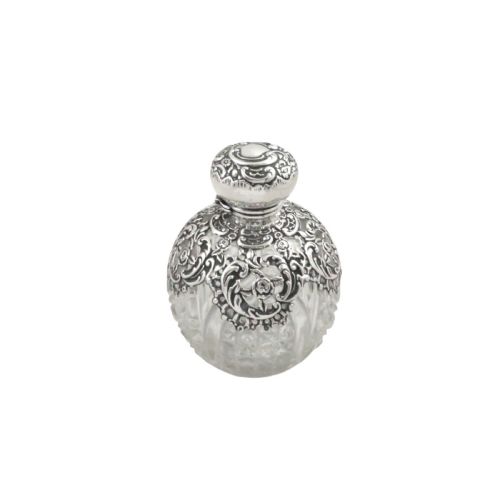
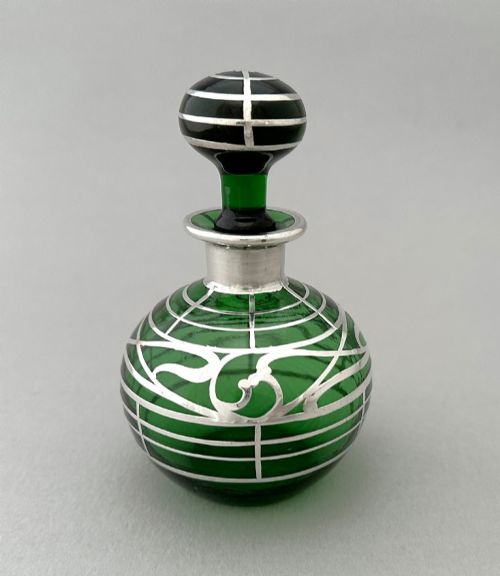
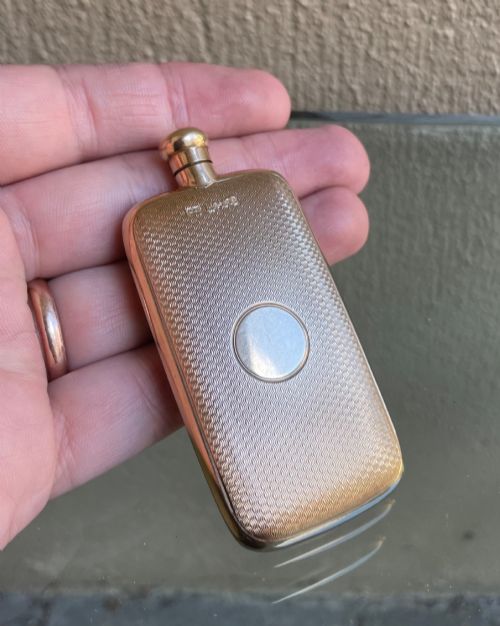
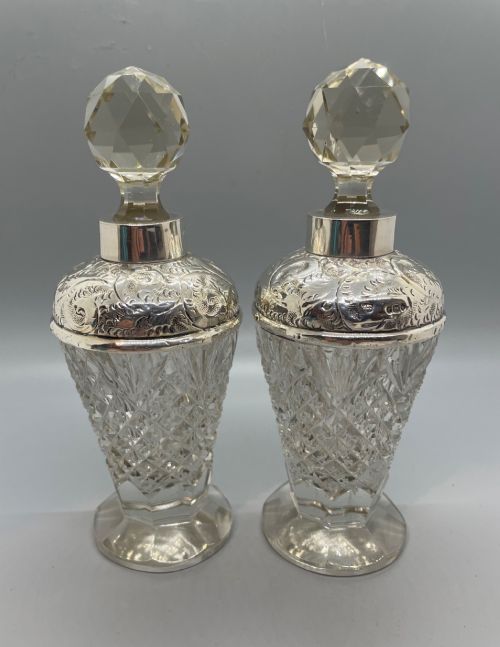
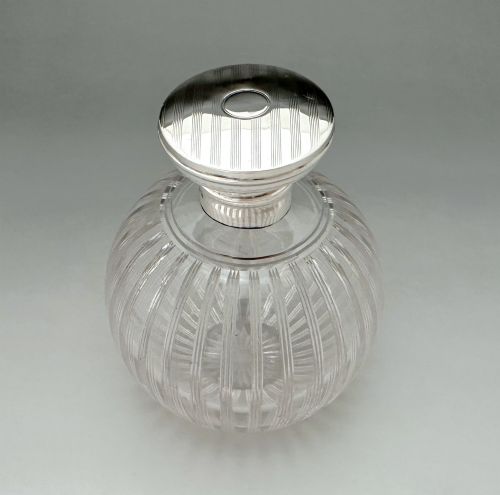
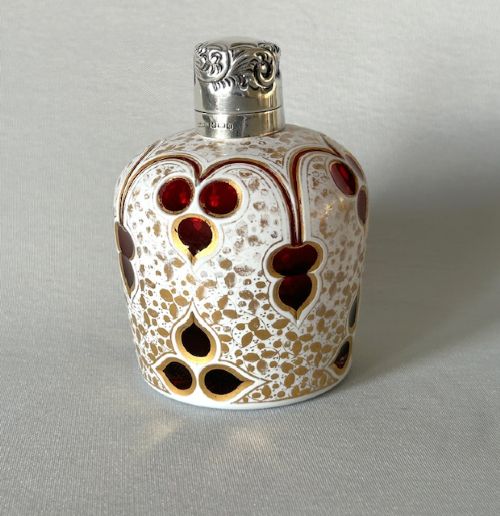
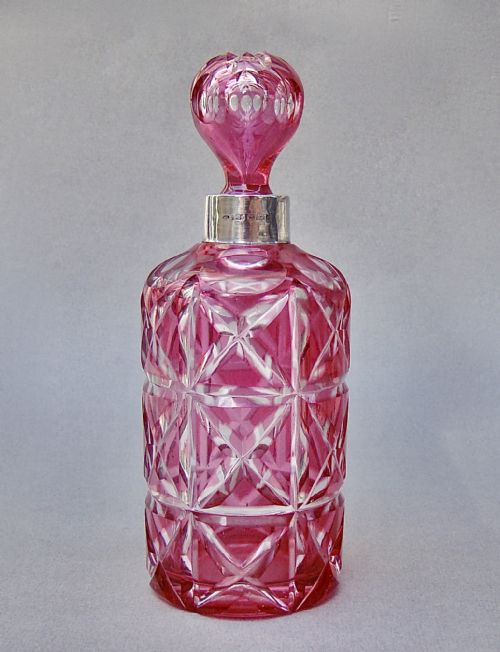
An edwardian perfume bottle represents a specific era of vanity accessories designed to hold liquid scents on a dressing table or inside a travelling case. Collectors regularly encounter pieces featuring sterling silver collars, hinged lids, and faceted glass bodies dating from the early decades of the twentieth century. These vessels range from simple cut glass cylinders to elaborate examples encased in silver overlay or coloured glass.
The objects span varied domestic contexts, functioning as individual dressing table ornaments, fitted travelling flask trios, or novelty forms shaped like animals. Makers from this period employed rich materials, combining precious metals with artisanal glasswork to create items intended for daily personal use. Surviving examples often retain their original hallmarks, offering clear documentation of their assay office origins and manufacturing dates.
Materials and Construction
Makers constructed these vessels primarily from heavy cut glass, lead crystal, and moulded glass combined with sterling silver mounts, collars, and hinged lids. Artisans frequently utilised cranberry glass, ruby glass, and clear crystal, shaping them through deep cutting, etching, or overlay techniques. Metalwork components were cast, hand-engraved, or worked into intricate Art Nouveau and floral motifs before being secured to the glass body.
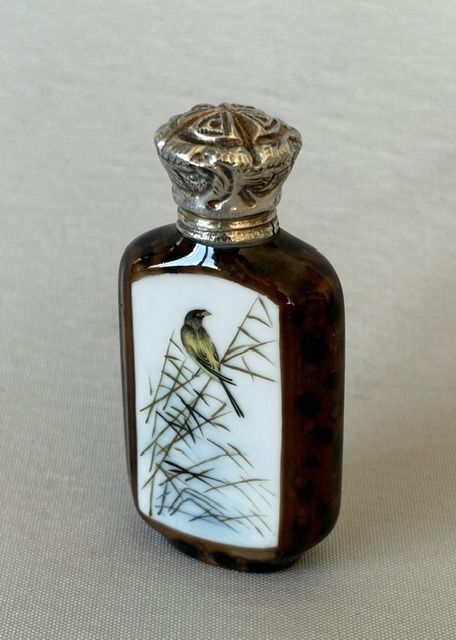
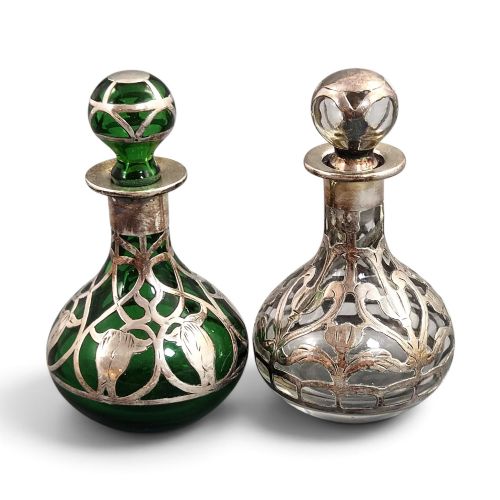
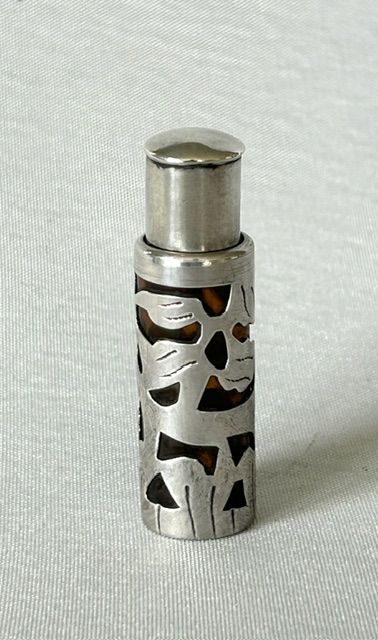
Specialised variations incorporated organic and decorative elements such as tortoiseshell, mother-of-pearl, amber, and multi-coloured guilloche enamel set into the silver caps. Travelling versions often utilised protective leather or fabric-covered cases fitted internally to cradle the glass flask securely. Metal overlays made of silver were either applied directly or formed as intricate filigree lattices wrapping the main glass chamber.
Edwardian Perfume Bottle Retail Price Guide 2026
Typical asking prices for edwardian perfume bottle among the pieces listed under this phrase on Sellingantiques today, from the lower quarter to the upper quarter. They describe what is for sale here now, not the wider market.
Some Edwardian owners possessed miniature owl-shaped perfume bottles with glass eyes that gazed sternly across the dressing table while holding their favourite scent.
Distinctions in Quality
Superior quality in an edwardian perfume bottle manifests through the weight, clarity, and depth of the glass cutting rather than surface appearance alone. Fine examples display crisp, sharp facets on heavy lead crystal and substantial sterling silver mounts with clear, legible hallmarks from established silversmiths. The precision with which a silver collar fits the neck of the glass body indicates the level of original craftsmanship.
The presence of specialised decorative techniques, such as hand-painted enamel, intricate tortoiseshell inlay, or complex Art Nouveau silver overlay, elevates an individual piece above standard production. Simpler moulded vessels with thin metal caps occupy the commercial baseline, whereas heavy cut glass paired with fully articulated novelty mechanisms or specialised glass coloration represents the upper tier of the market.
Harold Bushell Co·Henry Matthews·J Gloster·Gorham·Rene Lalique·Walker Hall·George Unite·GH James Co·Barnsley Co
The Edwardian Perfume Bottle Glossary
- Sterling silver
- A silver alloy containing 92.5 percent pure silver by mass and 7.5 percent other metals, usually copper. This standard alloy provides the durability required for hinged bottle caps and decorative collars.
- Guilloche enamel
- A decorative technique where a precise pattern is mechanically engraved into a metal surface beneath a translucent layer of enamel. This process creates a luminous, repeating wave or sunburst effect visible through the coloured glass.
- Cranberry glass
- A rich red-pink glass created by adding gold chloride to the molten batch during production. It appears frequently in Victorian and Edwardian dressing table wares.
- Silver overlay
- A decorative method involving the application of sheet silver directly onto a glass body, often cut out in flowing Art Nouveau floral patterns. The metal fuses to the exterior surface of the vessel.
- Hallmark
- An official stamp applied by an assay office indicating the purity of the precious metal, the maker's mark, and the specific year of production. British pieces typically show a lion passant and an assay town letter.
Edwardian Perfume Bottle: Frequently Asked Questions
How were these bottles used?
These vessels held liquid fragrances and volatile scents on a domestic dressing table or within fitted travelling luggage. Users poured perfume directly into the glass chamber and relied on a tight-fitting stopper and hinged silver cap to prevent evaporation.
Many examples formed part of larger matched dressing table sets that included mirror plates, brushes, and powder jars. Smaller pocket or travelling variants allowed individuals to carry personal scents securely while away from home.
How do I identify the period?
Dating relies primarily upon the hallmarks stamped onto the silver collars and lids, which record the specific assay office and year letter. Stylistic indicators, such as sweeping Art Nouveau floral motifs or geometric Art Deco lines, provide additional chronological context.
Construction details, including the thickness of the glass, the style of cutting, and the method used to secure the collar, also help distinguish Edwardian production from earlier Victorian or later periods.
Are original glass stoppers important?
The presence of an original matching glass stopper significantly enhances the completeness and desirability of any specimen. Many surviving vessels retain their internal stoppers beneath the outer silver cap, which protected the fragrance from leaking.
While numerous examples appear today without their inner stoppers due to breakage over decades of use, those retaining them represent a higher degree of original preservation.
How do I care for silver mounts?
Maintaining the metal components requires gentle cleaning with a soft cloth to avoid abrasive contact with the surrounding glass or enamel panels. Chemical dips should be avoided entirely to prevent damage to delicate glass surfaces, tortoiseshell, or coloured enamel work.
Storing the pieces in a stable environment away from direct sunlight protects organic materials like tortoiseshell and amber from drying out or discoloring over time.