


Late Victorian Scent Bottle
A late victorian scent bottle combines useful practicality with decorative charm, offering a pocket-sized piece of nineteenth-century luxury.
Late Victorian Scent Bottle
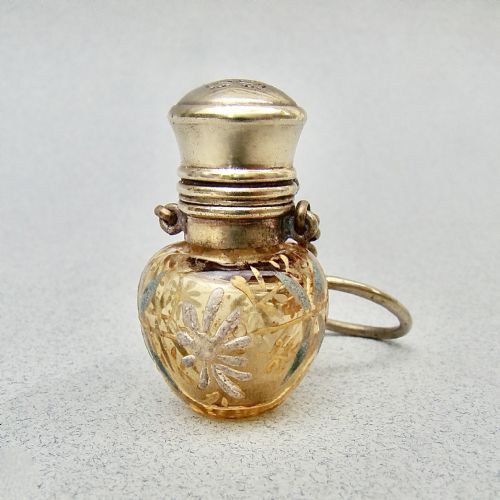
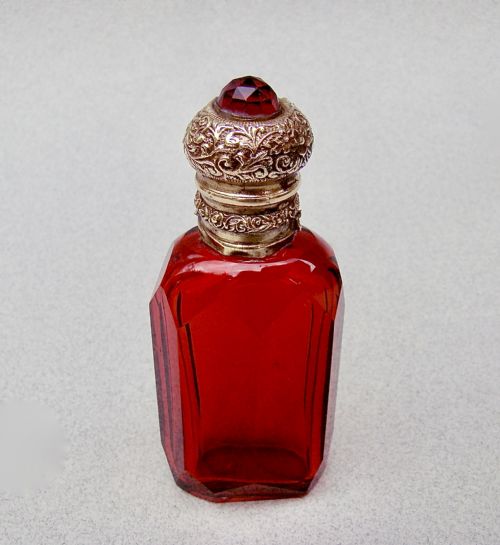
A late victorian scent bottle is a small vessel designed to hold perfume, smelling salts or vinegar, often carried in a pocket, handbag or suspended from a chatelaine. These pieces date principally from the late nineteenth century, spanning the eighteen-eighties and eighteen-nineties within the broader Victorian era.
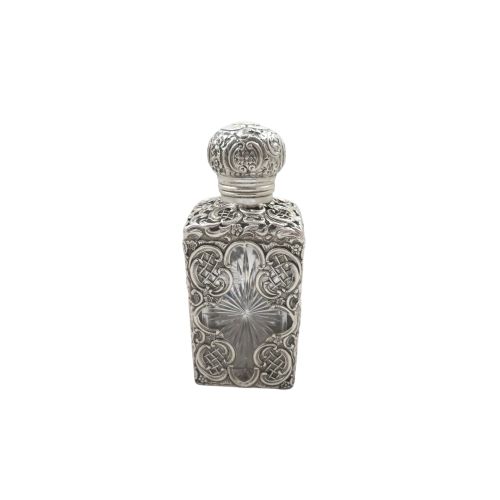
The versions met most frequently on this page combine glass bodies with sterling silver mounts, though all-silver examples and pieces with gilded metal or ormolu mounts also appear. Forms range from standard perfume bottles and scent flasks to double-ended vessels and combined vinaigrettes.
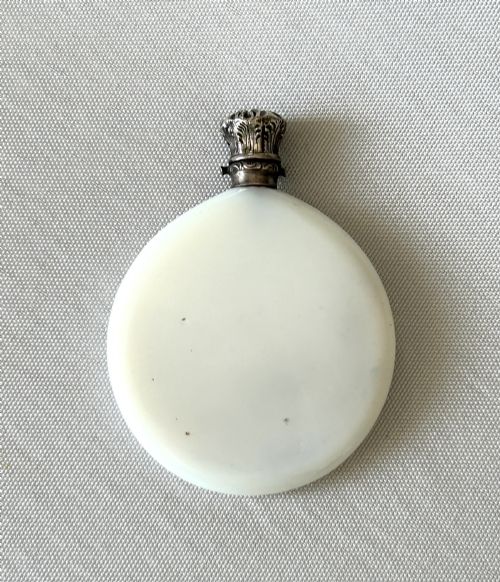
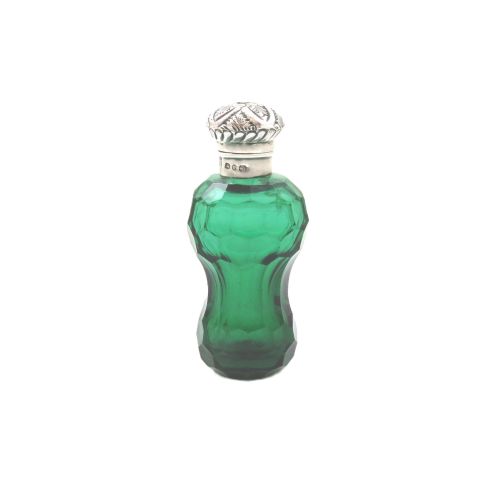
Origin points across the evidence include English production, marked by assay offices such as Birmingham, alongside continental pieces originating from France and Venice. Collectors encounter various glass colours, including opaline, amethyst, green, ruby, black and cut glass designs.
How they were made
Makers shaped the glass bodies of a late victorian scent bottle using techniques like free-blowing, moulding and deep cutting to catch the light. Coloured glass varieties such as amethyst, ruby, green and opaline received their hues through specific mineral oxides added during the melting process.
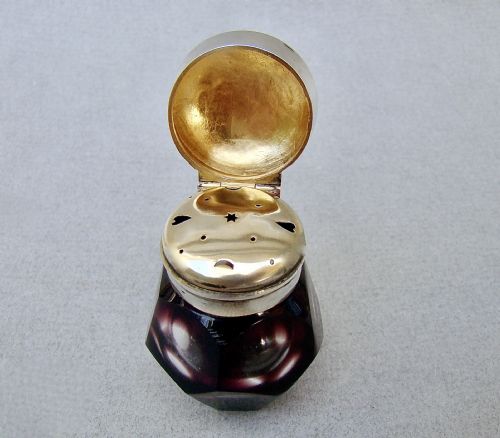
Sterling silver mounts, collars and hinged lids were shaped, engraved or embossed, sometimes featuring figural decoration such as cherubs and angels. Metal mounts were then securely fitted to the glass necks, frequently sealing with a cork or stopper housed beneath the outer cap.
Late Victorian Scent Bottle Retail Price Guide 2026
Typical asking prices for late victorian scent bottle among the pieces listed under this phrase on Sellingantiques today, from the lower quarter to the upper quarter. They describe what is for sale here now, not the wider market.
The documented objects span the nineteenth century, with specific dates recorded from eighteen-eighty to nineteen-hundred.
What varies in quality
The standard of a late victorian scent bottle depends heavily on the crispness of the glass cutting and the depth of the metal ornamentation. Superior pieces display intricate hand-chased silver mounts and heavy, high-clarity crystal or saturated coloured glass without surface clouding.
Design complexity elevates certain examples, particularly double-ended bottles that held two different scents or combined containers with interior vinaigrette grilles. The presence of clear hallmarks on the sterling silver mounts and intact original stoppers further distinguishes finer specimens.
Moser
The Late Victorian Scent Bottle Glossary
- Chatelaine
- A decorative belt hook worn with suspended chains holding useful household accessories like scent bottles, keys or scissors.
- Vinaigrette
- A small ornamental box or bottle containing a sponge soaked in aromatic vinegar, fitted with an interior pierced metal grille.
- Opaline glass
- An opaque or translucent pale glass developed in the nineteenth century, often tinted in soft pastel shades.
- Ormolu
- Gilded bronze or metal furniture and decorative mounts utilised extensively during the nineteenth century.
- Double end scent bottle
- A vessel featuring hinged caps at both terminals, allowing the owner to carry two separate perfumes simultaneously.
Late Victorian Scent Bottle: Frequently Asked Questions
What is a late victorian scent bottle?
A late victorian scent bottle is a small personal container produced during the final decades of the nineteenth century to carry liquid perfume or smelling salts.
These portable luxury objects combine glass bodies with metal mounts, reflecting the decorative tastes and social habits of the period.
How were they used?
Owners carried these small vessels in pockets, handbags or suspended from chatelaines for everyday personal fragrance or refreshing salts.
The hinged caps allowed quick access when the wearer required a restorative scent in crowded or stuffy environments.
How can I date a scent bottle?
Dating relies on hallmarks stamped onto the sterling silver mounts, which indicate the assay office and year of manufacture.
Stylistic indicators, glass types and construction methods also help place an object within the eighteen-eighties or eighteen-nineties.