



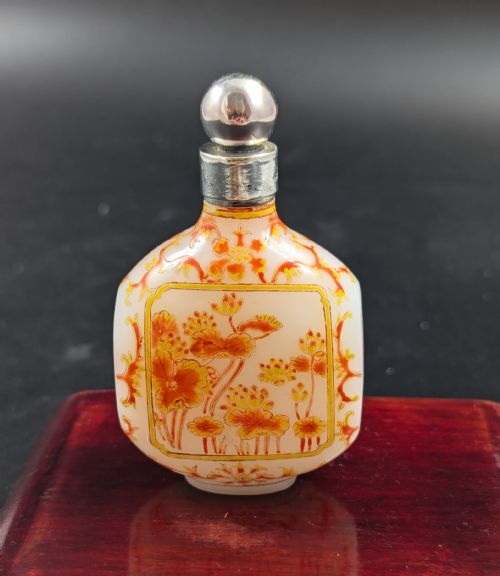


Miniature Perfume Bottle
Miniature perfume bottle examples are small vessels for scent, prized for exquisite craftsmanship and portability across Georgian, Victorian, and Edwardian periods.
Miniature Perfume Bottle
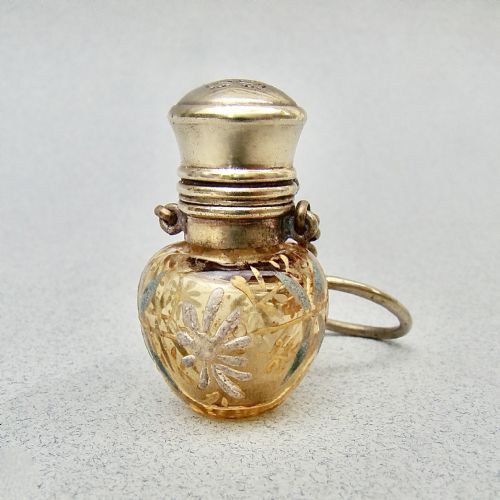
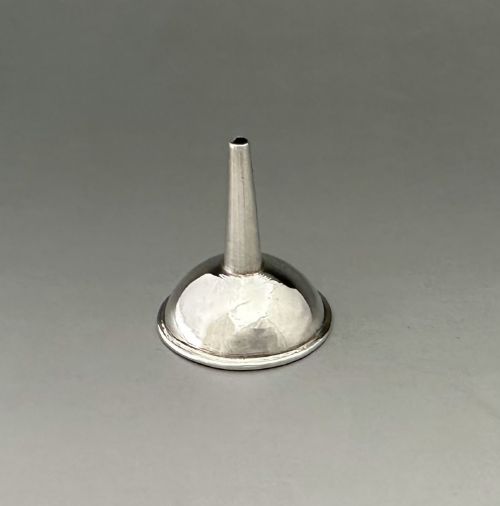
A miniature perfume bottle is a small container designed to hold scent, appearing across 18th century, Georgian, Victorian, and Edwardian eras. These pieces take various forms including scent bottles, perfume funnels, snuff bottles, and etuis.
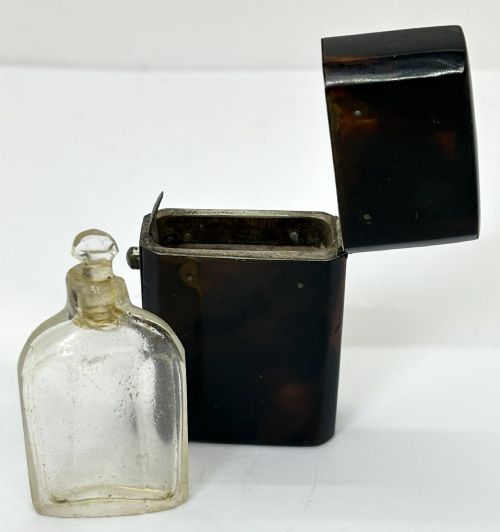
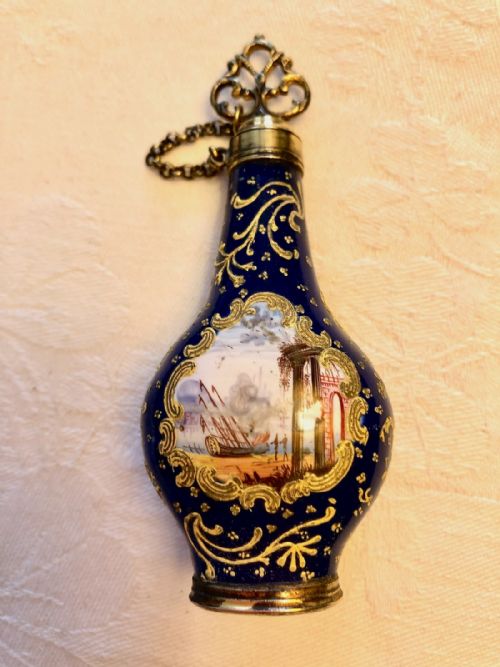
The most common versions met on this page include glass and silver examples from the 19th century, alongside earlier Georgian tortoiseshell holders and enamel pieces.
Makers utilised diverse materials to create functional items that doubled as personal accessories, often suspended from chatelaines or carried in pockets.
Materials and construction
Glass and silver form the foundation of many pieces, often combined with overlay techniques or enamel work. Artisans shaped glass through blowing and moulding, whilst metal elements involved silver smithing and Old Sheffield plate production.
Organic materials such as tortoiseshell, mother of pearl, and fruitwood appear with delicate metal mounts, hinges, and collars. Hand-painted scenes and specialised marks demonstrate the detailed ornamentation applied to these small surfaces.
Some Victorian miniature bottles disguised themselves as tiny musical instruments, including a silver violin ready to hold your favourite fragrance.
Assessing quality and execution
Quality rests upon the precision of the metal mounts, the clarity and colour of the glass, and the execution of hand-painted scenes or enamel work. Superior pieces display crisp carving on materials like tortoiseshell and jade, alongside tight fittings for stoppers and lids.
Simpler versions rely on standard commercial production, whereas finer examples incorporate precious metals, intricate silver overlay, and specialised maker marks or regional styles.
The Miniature Perfume Bottle Glossary
- Chatelaine
- A decorative belt hook from which keys, watches, and scent bottles were suspended. This accessory was worn by women of household authority during the 19th century.
- Etui
- A small ornamental case used to hold needles, tweezers, and other small implements. These containers frequently accompanied miniature perfume bottles in necessaire sets.
- Old Sheffield Plate
- A composite material made by fusing a thin sheet of silver to a thicker copper base. This technique preceded modern electroplating.
- Overlay Glass
- Glass created by casing one coloured layer over another, then cutting away portions to reveal the contrasting base colour. This method produced striking decorative patterns.
- Snuff Bottle
- A small bottle designed to hold powdered tobacco. These pieces share similar diminutive scales and decorative materials with scent bottles.
Miniature Perfume Bottle: Frequently Asked Questions
How were these bottles used?
Owners carried these small vessels in pockets, reticules, or suspended from chatelaines for quick access to refreshing scents. They served both practical and decorative functions in daily life.
Some examples also functioned as necessaires, housing tiny tools alongside the scent compartment.
How do I date a scent bottle?
Dating relies on examining the materials, manufacturing techniques, and any accompanying hallmarks or metal mounts. Georgian pieces often feature tortoiseshell or enamel, while Victorian examples frequently employ silver overlay and coloured glass.
Comparing stylistic details against known periods helps narrow down the decade of production.
How do I care for antique glass bottles?
Antique glass and delicate metal mounts require gentle handling and stable environmental conditions without extreme temperature shifts. Avoid harsh chemical cleaners that can damage enamel work or aged silver surfaces.
Display them away from direct sunlight to preserve the original colours of the glass and painted scenes.