



French Perfume Bottle
These small glass and metal containers offer a glimpse into nineteenth- and early twentieth-century dressing habits.
French Perfume Bottle
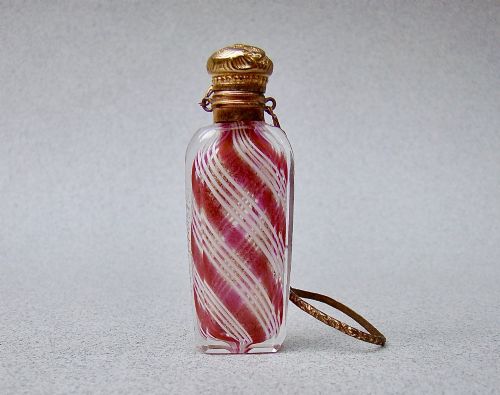
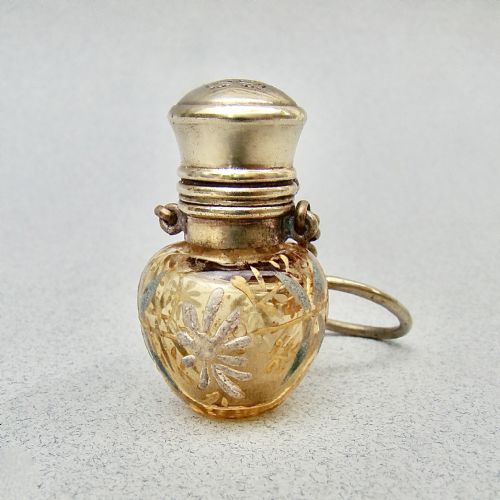
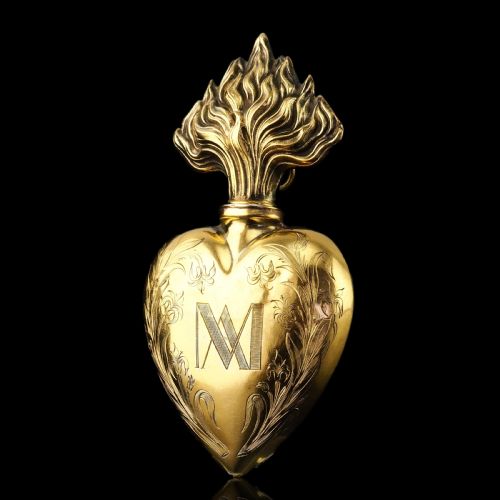
A French perfume bottle combines functional personal fragrance storage with decorative craftsmanship from the nineteenth and early twentieth centuries. These vessels appear in varied forms, ranging from standalone vanity flasks to chatelaine pieces intended to hang from a belt. Buyers encounter both single scent bottles and fitted caskets housing multiple glass vials.
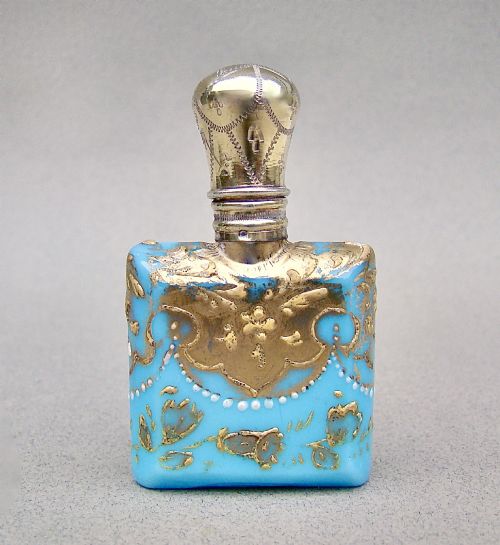
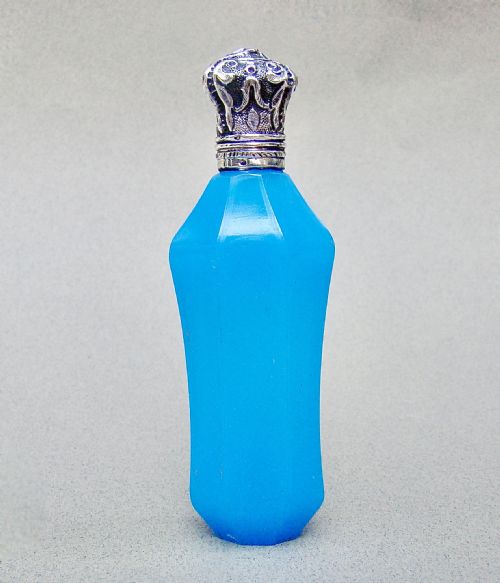
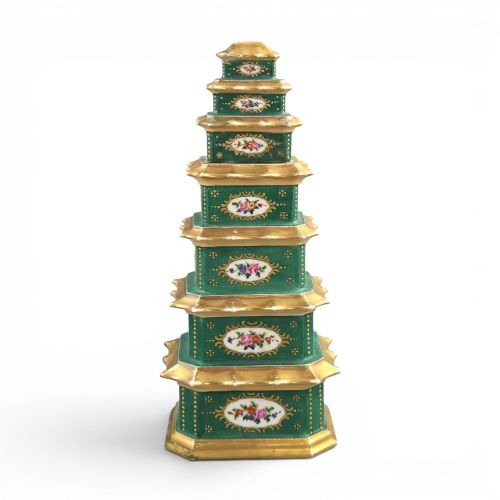
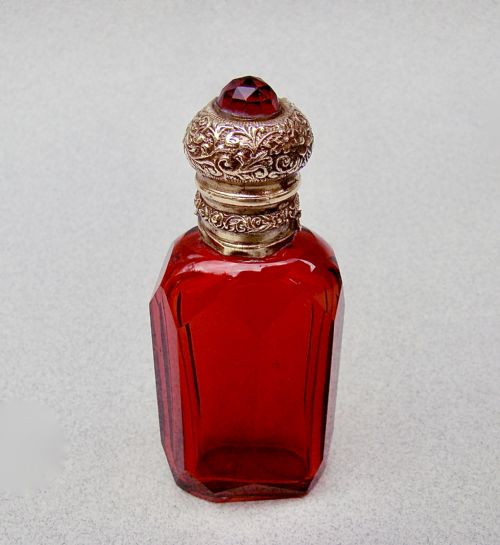
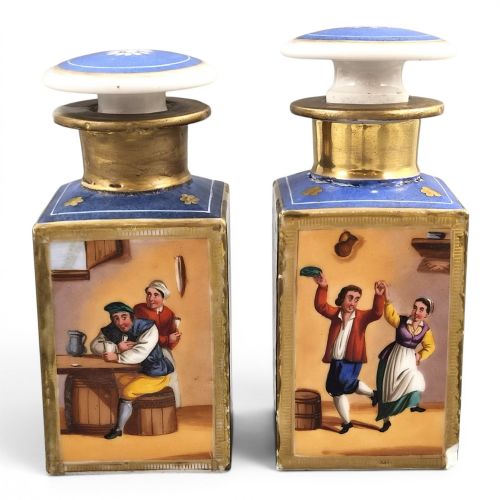
The selection here spans from early nineteenth-century porcelain and crystal items to Art Deco opalescent glass editions. Nineteenth-century examples frequently incorporate coloured glass, opaline finishes, and heavy metal mounts, whereas later twentieth-century pieces showcase moulded designs and atomisers.
Makers and houses such as Rene Lalique, Jacob Petit, Baccarat, and Sabino dominate the historical record of these items. Collectors find both simple crystal flasks and elaborate figural or enamelled works designed for elite dressing tables.
How They Were Made
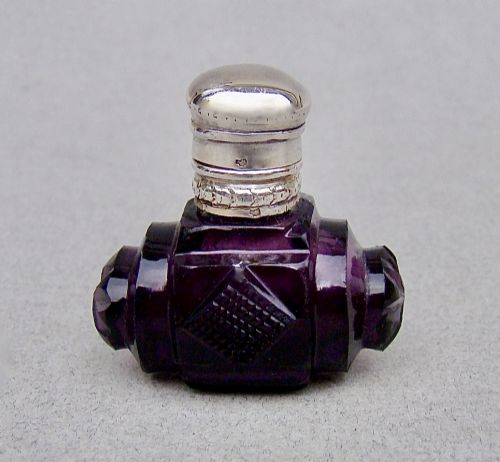
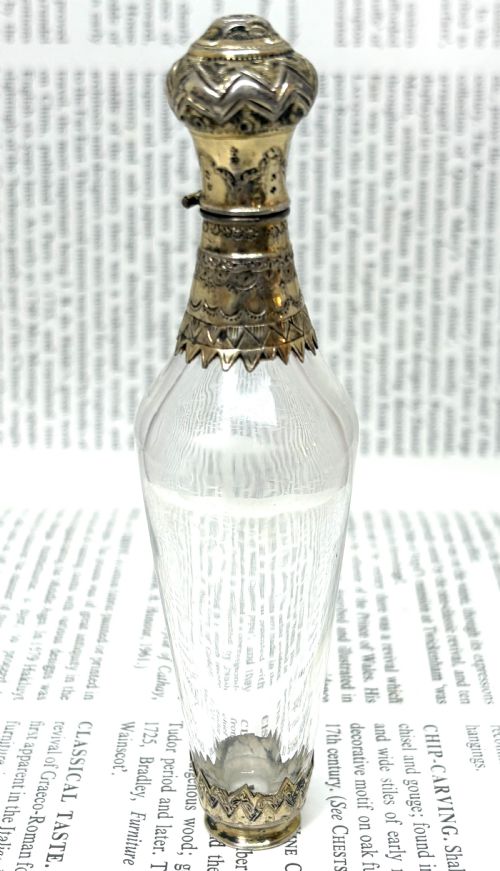
Makers utilised techniques involving blown and moulded glass, combining transparent, frosted, opaline, or layered glass bodies with metalwork components. Craftsmen applied silver, silver gilt, or ormolu mounts, often securing them with intricate hinges and stoppers.
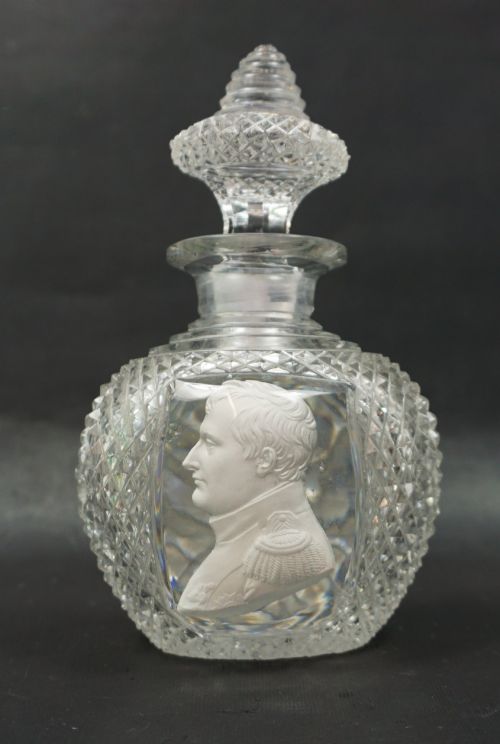
Decoration relied on manual application and precision tooling, including hand-painting, enamel work, and gold leaf highlights. Cut glass patterns and sulphide portraits required specialist carving and casting methods before final assembly.
French Perfume Bottle Retail Price Guide 2026
Typical asking prices for french perfume bottle among the pieces listed under this phrase on Sellingantiques today, from the lower quarter to the upper quarter. They describe what is for sale here now, not the wider market.
Listings feature items spanning the Victorian era through the Art Deco period, utilising glass, opaline glass, enamel, and silver.
What Varies in Quality
Quality rests upon the execution of the glass body and the refinement of any metal mounts. Superior pieces display crisp moulding or hand-cut facets paired with securely fitted, hallmarked silver or gilt bronze hardware.
The presence of original stoppers, matching caskets, and intact enamel or gilding elevates an example. Exceptional works also feature signed glass signatures or detailed miniature paintings that demonstrate advanced workshop skill.
Rene Lalique·Jacob Petit·Sabino·Baccarat·Moser
The French Perfume Bottle Glossary
- Chatelaine
- A decorative belt hook worn with suspended chains for carrying small household accessories. Perfume bottles made for this purpose often include integrated loops or rings.
- Opaline glass
- An opaque or semi-translucent glass developed in France during the nineteenth century. It comes in soft pastel shades and white.
- Ormolu
- Finely ground high-carat gold applied to a bronze base using mercury. This technique creates a rich golden finish on mounts and stands.
- Guilloche enamel
- A decorative metal surface covered with translucent enamel over an engine-turned pattern. It provides repetitive geometric depth.
- Sulphide
- A small white cameo medallion embedded within clear crystal glass. This technique gained popularity during the early nineteenth century.
French Perfume Bottle: Frequently Asked Questions
What is a French perfume bottle casket?
A casket is a fitted wooden or leather box lined with velvet or silk designed to hold a matched set of glass scent bottles safely during travel.
These boxes often feature brass inlay, boullework, or lockable lids, keeping fragile vanity items organised for a dressing table.
How do I identify a chatelaine scent bottle?
Chatelaine bottles feature a small metal loop, chain, or cap ring specifically designed to hang from a waist hook rather than sit upright on a tray.
They frequently date from the nineteenth century and employ secure screw-down stoppers to prevent leaks while moving.
What is opaline glass?
Opaline glass is a delicate, semi-translucent material produced in nineteenth-century French glasshouses in colours like turquoise, blue, and white.
It diffuses light softly and often appears with gilded decoration or hand-painted scenes.
How can I tell Art Deco bottles apart?
Art Deco pieces from the 1920s and 1930s tend to use moulded opaline or frosted glass with geometric motifs or stylised floral designs.
Works by makers like Rene Lalique and Sabino showcase these characteristic moulded textures rather than the smooth, gilded nineteenth-century styles.