




Antique Glass Perfume Vial
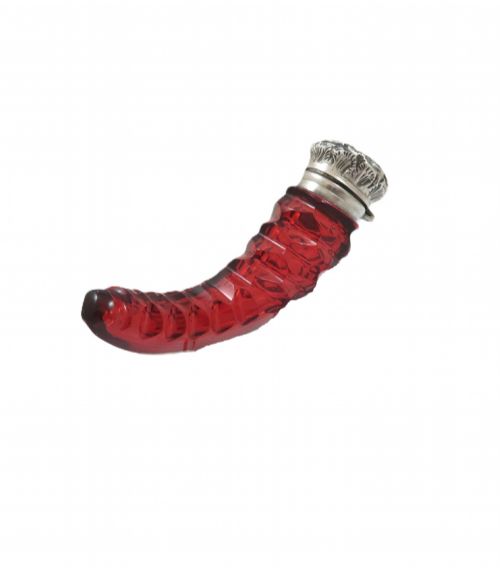
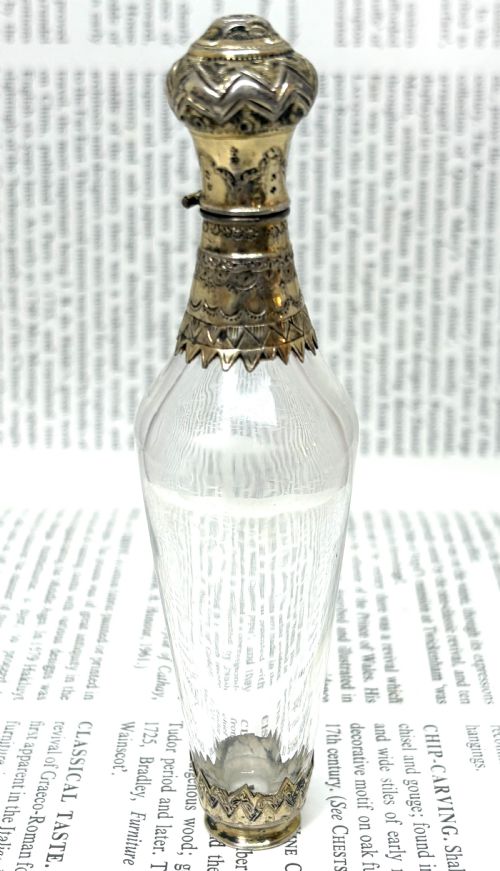
An antique glass perfume vial is a small, portable vessel for carrying fragrance, uniting tactile coloured glass with precious metal mounts.
Antique Glass Perfume Vial
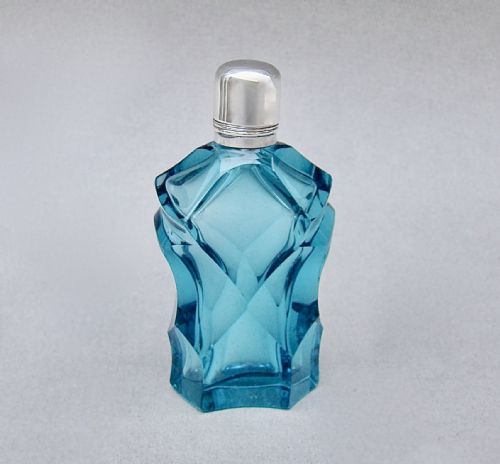
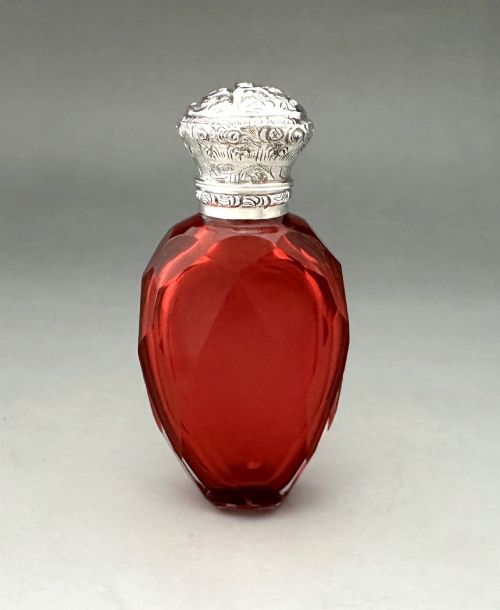
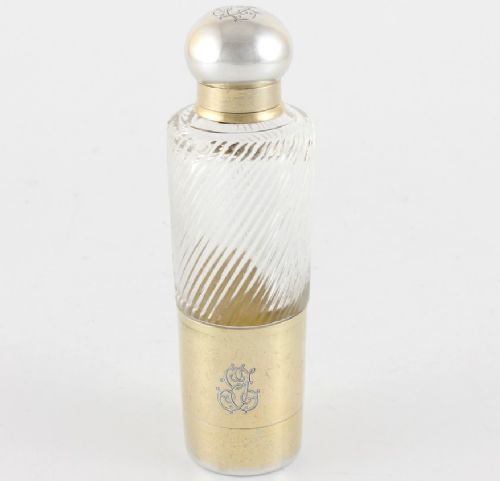
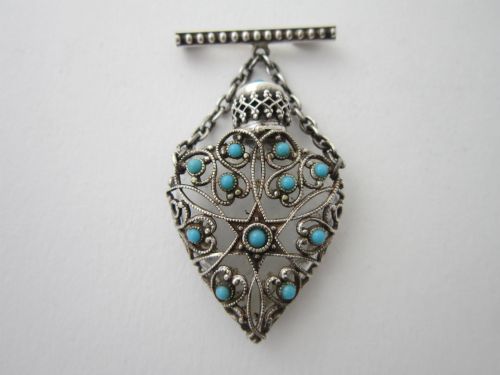
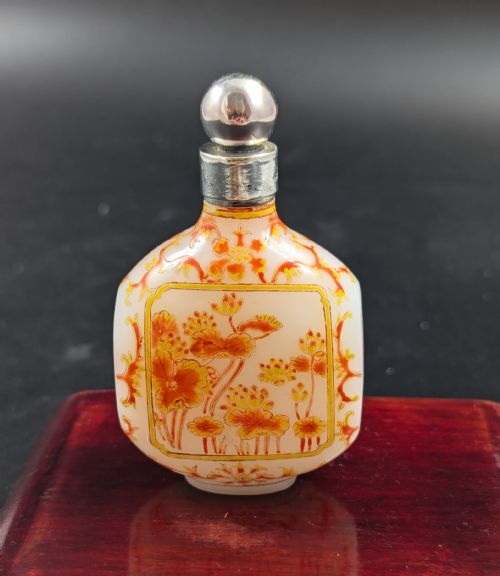
An antique glass perfume vial takes several distinct forms, ranging from pocket-sized scent bottles to double-ended flasks and pill boxes designed for the vanity or travel. Buyers searching for an antique glass perfume vial commonly encounter Victorian and Edwardian examples featuring silver mountings alongside cranberry, ruby, or teal glass bodies.
The material origins span Georgian eras through to the 1920s, incorporating French Belle Epoque and Art Deco aesthetics alongside Continental and British craftsmanship. Scent bottles dominate the selection, often accompanied by specialised variants such as icicle vials and enamel-decorated vessels.
Earlier periods are represented by Georgian specimens, including engraved glass pieces and silver gilt mounted designs from the start of the nineteenth century. These varied objects reflect the changing domestic habits of past centuries, where personal fragrance and medicine were carried close at hand.
What varies in quality
The distinction between standard production and finer examples rests upon the precision of the glass cutting and the delicacy of the metal mounts. Crisp facets, deep wheel-engraving, and substantial silver work elevate an item above simpler moulded glass bodies.
Integration between the glass vessel and its metal fittings dictates overall cohesion, where tight hinged lids and well-fitted stoppers demonstrate superior workshop execution. The presence of specialised decorative techniques, such as red staining on moulded motifs or fine enamel detailing, marks out the more ambitious pieces.
Antique Glass Perfume Vial Retail Price Guide 2026
Typical asking prices for glass perfume vial among the pieces listed under this phrase on Sellingantiques today, from the lower quarter to the upper quarter. They describe what is for sale here now, not the wider market.
Listings for this phrase frequently combine cranberry glass bodies with Edwardian and Victorian sterling silver mounts.
Tonnel Paris·Rene Lalique
The Antique Glass Perfume Vial Glossary
- Cranberry glass
- A rich pinkish-red glass coloured by the addition of gold chloride during melting. It is frequently seen in Victorian scent bottles.
- Double-ended
- A flask featuring a compartment at each end, usually allowing two different scents or a scent and smelling salts to be carried simultaneously.
- Vermeil
- Sterling silver plated with a thin layer of gold. This finish provides a warm golden lustre to the metal mounts of the bottle.
- Icicle scent bottle
- A slender, elongated glass vial tapering to a point, often associated with Edwardian silver-mounted designs.
- Slice-cut
- A glass cutting technique producing broad, flat facets across the body of the bottle to catch the light.
Antique Glass Perfume Vial: Frequently Asked Questions
How do I clean an antique glass perfume vial?
Resist soaking antique mounts in harsh chemical solutions, as older silver and enamel can suffer permanent damage from aggressive cleaning agents. Instead, use a soft, dry cloth for the metal and a cotton bud dampened with warm water for the interior.
Allow the vial to dry thoroughly before replacing any stopper. Avoid running hot water over old glass, particularly pieces with cut or enameled surfaces.
Are double-ended scent bottles rare?
Double-ended bottles were produced in fair quantities during the Victorian period to accommodate both perfume and smelling salts. Their survival rate varies depending on the fragility of the glass and whether both original hinged caps remain intact.
Examples featuring clear hallmarks or unusual cut glass patterns are less common than standard single-compartment flasks.
How can I tell a Victorian scent bottle from a Georgian one?
Georgian pieces often display simpler, heavier hand-blown forms with minimal mounts, sometimes featuring specialised engraving like Jacobite motifs. Victorian examples tend to utilise brighter coloured glass, such as cranberry or teal, paired with more elaborate stamped or engraved silver work.
Examining the style of the silver mounts and the weight of the glass generally clarifies the period of manufacture.
Did these vials only hold perfume?
Many of these small containers served multiple purposes, functioning as medicine bottles, pill boxes, or receptacles for smelling salts alongside liquid scent. Double-ended variants specifically catered to dual uses, separating liquid fragrance from reviving salts.
Some smaller examples were designed purely for pocket carriage as personal vanity items.