



Silver Gilt Scent Bottle
When choosing a silver gilt scent bottle, you select a portable vessel of precious metal and glass designed to hold aromatic perfumes or vinegars.
Silver Gilt Scent Bottle
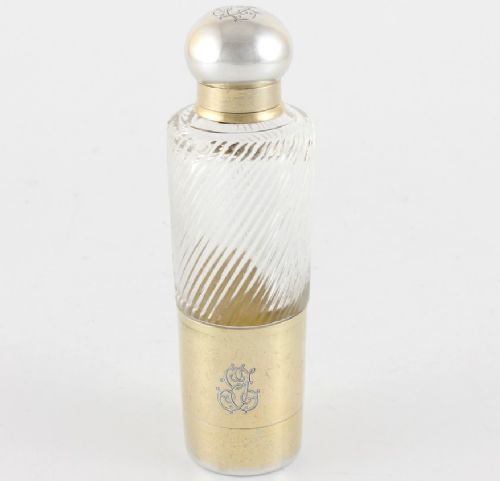
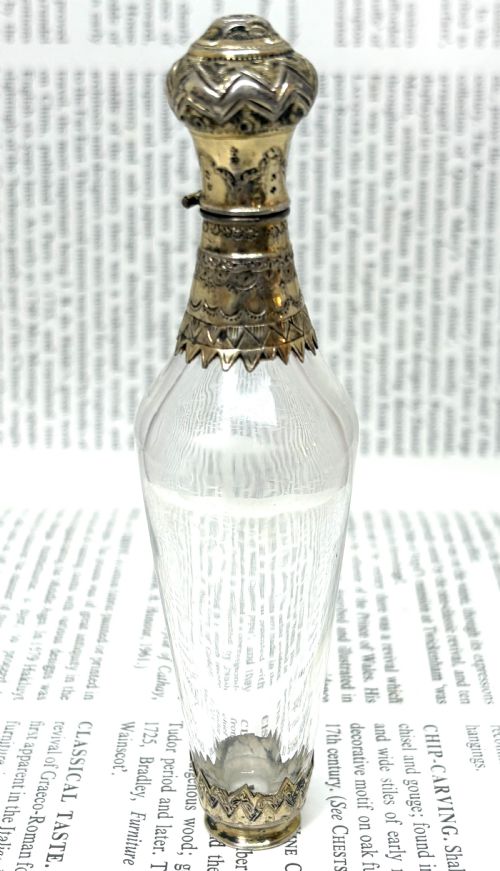
A silver gilt scent bottle combines precious metal mounts with glass, crystal, or porcelain bodies to create functional personal accessories. These containers span periods from the seventeenth century through the Victorian era and the early twentieth century, originating from English workshops and French makers alike.
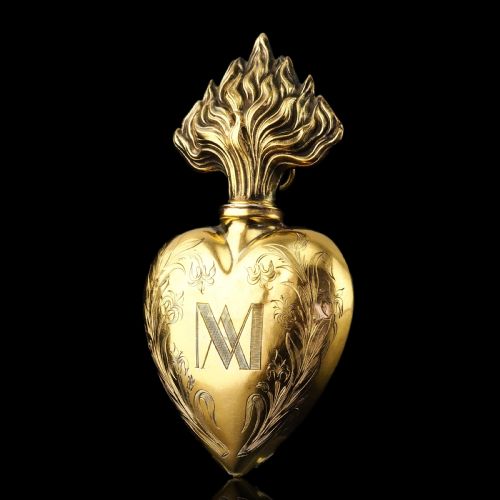
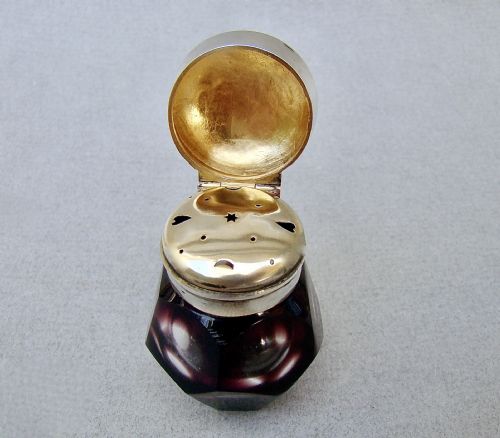
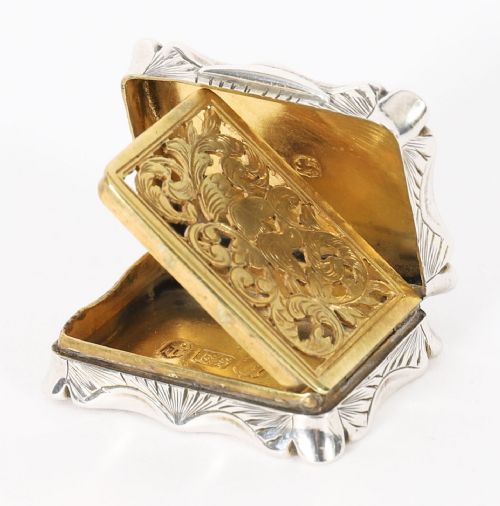
The selections on this page include single scent flasks, double-ended receptacles, and combined vinaigrettes equipped with internal pierced grilles. Forms range from teardrop and cylindrical shapes to novelty animal designs and heart-shaped vessels intended for chatelaine suspension.
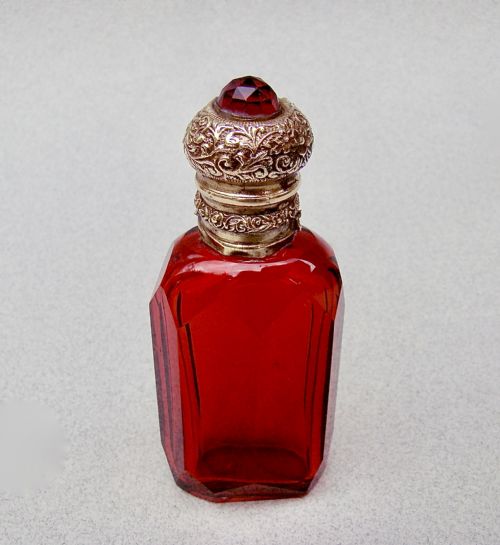
Victorian English examples and nineteenth-century French pieces dominate the available inventory, frequently pairing coloured or cut glass with parcel-gilt silver or solid vermeil mounts. Buyers encounter everything from miniature pocket items to fitted dresser bottles.
How They Were Made
Silversmiths constructed mounts using sterling silver or solid silver gilt, applying gold plating over silver through traditional gilding or vermeil techniques. These metal collars, hinged caps, and screw lids often received intricate hand engraving, engine-turned guilloche patterns, or coronet decorations.
Glass bodies were produced using varied methods including mouth-blowing, cutting, overlay techniques, and flash-cradling to create rich ruby, green, amethyst, and cranberry hues. Makers such as Moser and specialised glasshouses contributed decorative enamelling, aventurine inclusions, and murrine mosaic patterns to the finished vessels.
Among the swimming array rests a George III silver gilt novelty fish vinaigrette with articulated scales.
What Varies In Quality
The distinction between standard items and exceptional pieces rests upon the precision of the silversmith's work and the complexity of the glass body. Fully marked silver mounts with legible maker stamps indicate documented workshop origins, while crisp chasing and tight-fitting hinged lids demonstrate superior craftsmanship.
Artistic collaboration elevates certain examples, such as those pairing marked English silverwork by known makers with distinctive Bohemian or French glass bodies. The presence of undamaged enamel work, intact internal vinaigrette grilles, and specialised dual-opening mechanisms further separates ordinary items from high-tier specimens.
Edward Smith·Sampson Mordan·George Brace·John Harris·Richard Comyns
The Silver Gilt Scent Bottle Glossary
- Silver Gilt
- Sterling silver or standard silver that has been coated with a thin layer of gold. This treatment provides the warm appearance of solid gold while utilising a silver base.
- Vinaigrette
- A small ornamental box or bottle featuring a hinged outer lid and an internal pierced metal grille. These containers held a sponge soaked in aromatic vinegar to revive the user.
- Guilloche
- An ornamental mechanical technique where precise geometric patterns are etched into metal surfaces. This patterned metal was frequently covered with translucent enamel in French vanity pieces.
- Chatelaine
- A decorative belt hook worn from the waist with suspended chains carrying utility items. Scent bottles made for this purpose often include integrated suspension rings.
- Double Ended
- A symmetrical bottle featuring hinged or screw caps at both extremities. These pieces typically stored two distinct perfumes or combined a scent compartment with a vinaigrette.
Silver Gilt Scent Bottle: Frequently Asked Questions
What is a silver gilt scent bottle?
A silver gilt scent bottle is a portable container featuring a glass or crystal body fitted with gold-plated silver mounts. Victorians and earlier society members carried these vessels in pockets or on chatelaines to hold liquid perfumes.
These pieces combine decorative glassmaking with silversmithing. They range from simple pocket flasks to elaborate dresser bottles with intricate engraving.
How were double ended bottles used?
Double ended bottles allowed the owner to carry two separate fragrances in a single balanced receptacle. Each end featured a separate cap opening to an independent glass chamber.
Some variants paired a perfume compartment on one side with a vinaigrette sponge chamber on the reverse. This provided multiple aromatic options during social outings.
How do I identify a vinaigrette?
A vinaigrette differs from a standard perfume container by the inclusion of an internal pierced metal grille. Lifting the outer hinged lid reveals this decorative gold-washed grille above a sponge space.
The sponge held pungent aromatic vinegars rather than liquid perfume. These pieces were designed to counteract unpleasant odours or revive someone feeling faint.
How do I date these pieces?
Dating relies upon hallmarks stamped into the silver mounts, stylistic indicators, and manufacturing techniques. English pieces often bear assay office marks, date letters, and maker stamps that pinpoint the exact year of production.
French and continental items lack standard British hallmarks but reveal their period through distinct stylistic movements like the Belle Epoque or Empire styles. Glass colours and cutting patterns also provide reliable chronological markers.