
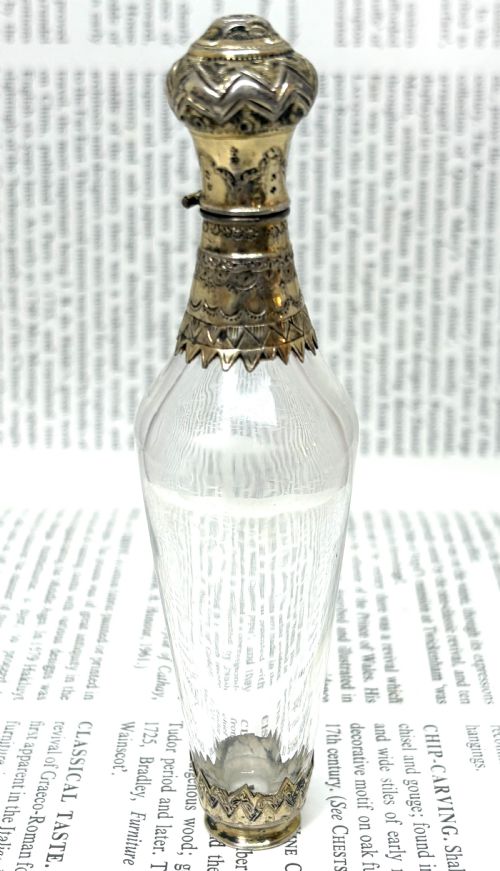


French Silver Perfume Bottle
A French silver perfume bottle is a miniature work of continental metalwork and glass, prized for dressing tables and chatelaines.
French Silver Perfume Bottle
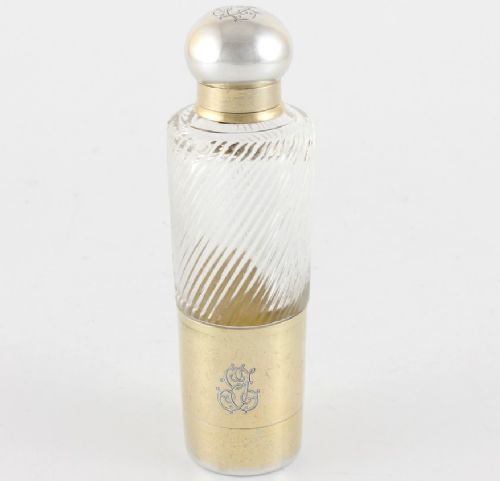
A French silver perfume bottle combines decorative metal mounts with a small glass or crystal vessel designed to hold scent. These pieces emerge in various forms from the nineteenth century into the twentieth, ranging from simple pocket flasks to elaborate vanity items.
Buyers encounter styles spanning the French Empire and Second Empire periods, alongside Belle Epoque and Art Deco designs. Many items feature fitted silver tops, hinged caps, or internal stoppers intended to prevent evaporation.
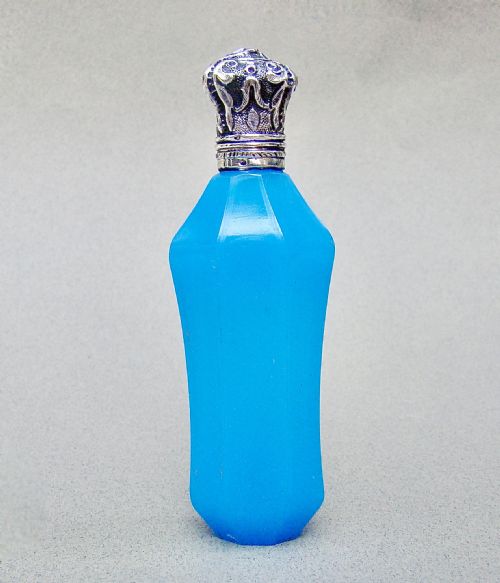
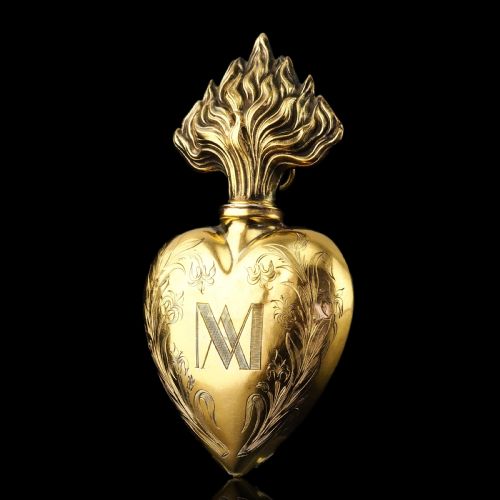
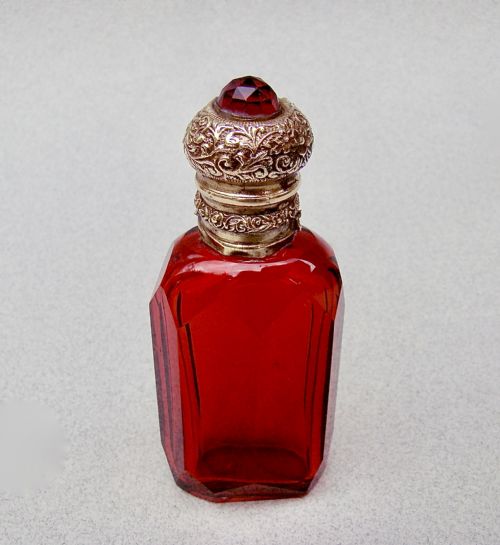
The selection includes diverse shapes such as cornucopias, hearts, and chatelaine flasks meant to hang from a belt. Glass bodies appear in clear cut glass as well as coloured varieties like ruby, opaline, and layered overlay glass.
How they were made
Silversmiths formed the mounts and caps using sterling silver, silver gilt, or vermeil, often applying chased or engraved ornamentation. These metal collars and hinged lids secure directly onto the glass necks.
Glassmakers utilised techniques such as cutting, overlaying multiple coloured layers, and incorporating enamel work or ormolu mounts. Makers like Baccarat and factories producing Clichy glass supplied specialised vessels for these silver mountings.
Listings feature pieces from the 1800s, 1870, 1910, and 1930, demonstrating styles from the French Empire through to Art Deco.
What varies in quality
The standard of craftsmanship depends largely on the weight of the silver and the complexity of the glass vessel. Multi-layered overlay glass and detailed guilloche enamel represent higher levels of manufacturing skill.
Design execution separates standard production items from exceptional pieces, particularly where ormolu, chatelaine chains, or integrated pill boxes are present. The crispness of the chasing on the silver mount indicates the care taken by the original maker.
Baccarat·Tonnel Paris
The French Silver Perfume Bottle Glossary
- Vermeil
- Silver gilt comprising a thick layer of gold over sterling silver. This finish provides a rich golden appearance while retaining the strength of silver underneath.
- Chatelaine
- A decorative belt hook worn with a chain suspending small utility items. Perfume bottles made for chatelaines often include specialised loops.
- Guilloche enamel
- Decorative metalwork covered in translucent enamel over an engine-turned pattern. It creates geometric depth beneath coloured glass or enamel surfaces.
- Opaline glass
- An opaque or semi-translucent glass developed in France during the nineteenth century. It frequently appears in pastel shades on vanity bottles.
- Ormolu
- Gilded bronze used for decorative mounts and accents. It provides warm metallic highlights alongside silver and glass components.
French Silver Perfume Bottle: Frequently Asked Questions
What is a French silver perfume bottle?
It is a small antique container made with a glass body and silver mounts, designed to hold liquid scent. These items were produced in France across the nineteenth and early twentieth centuries.
They serve as examples of period decorative arts, combining glassmaking traditions with detailed silversmithing.
How were perfume bottles carried?
Many nineteenth-century examples feature loops or chains designed to attach to a chatelaine, allowing the owner to wear the bottle at the waist. Smaller flasks were also made to fit inside pockets or travel vanity cases.
Fitted hinged caps kept the contents secure during movement.
What materials are used?
The bodies consist of glass, including cut glass, opaline glass, ruby glass, and multi-layered overlay glass. Mounts are formed from sterling silver, silver gilt, or vermeil.
Some pieces incorporate additional elements such as enamel, ormolu, or integrated pill boxes.
How do I date a bottle?
Dating relies on stylistic markers associated with periods such as the French Empire, Second Empire, Belle Epoque, and Art Deco. Specific glass colours and manufacturing techniques also indicate the era of production.
Makers' marks or silver hallmarks can sometimes narrow down the decade of manufacture.