
Antique Silver Top Bottle
An antique silver top bottle combines practical storage with decorative flair, offering a glimpse into past dressing table elegance.
Antique Silver Top Bottle
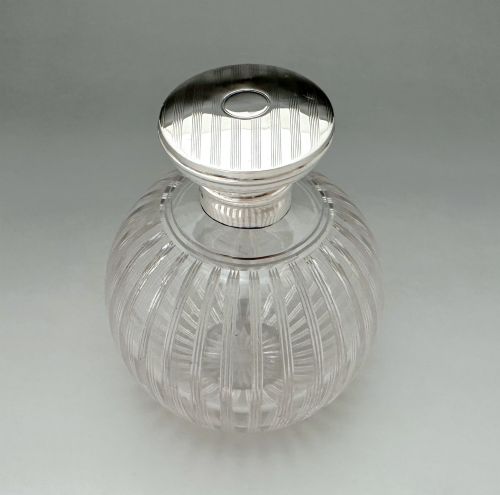
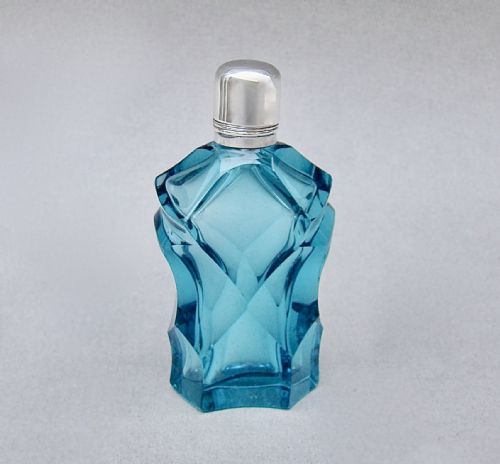
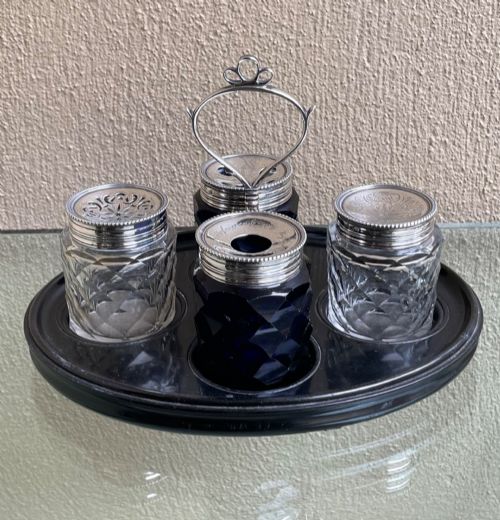
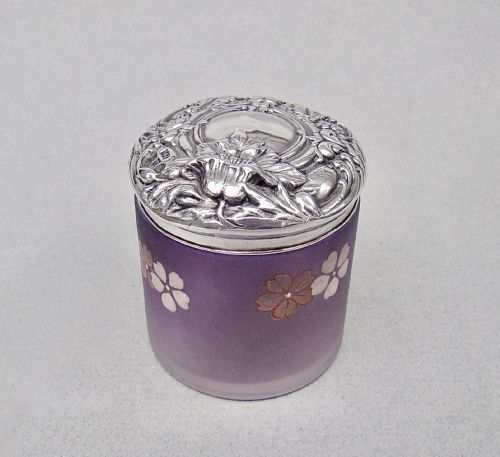
An antique silver top bottle encompasses a varied range of small personal containers, predominantly scent and perfume bottles alongside dressing table jars.
Buyers searching this phrase encounter Victorian and Edwardian examples most frequently, spanning periods from the mid-nineteenth century through to the 1930s.
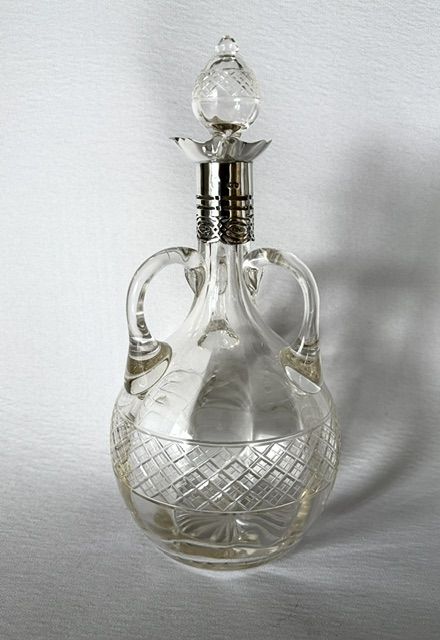
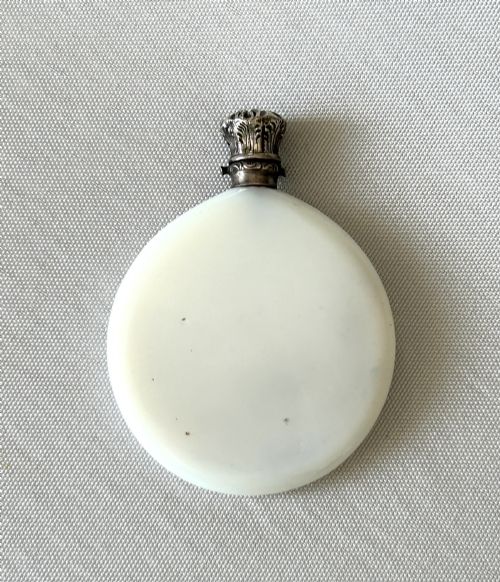
The inventory includes pocket-sized travelling flasks, vinaigrettes and larger dresser items, paired with diverse glass bodies and fitted silver mounts.
Materials and construction
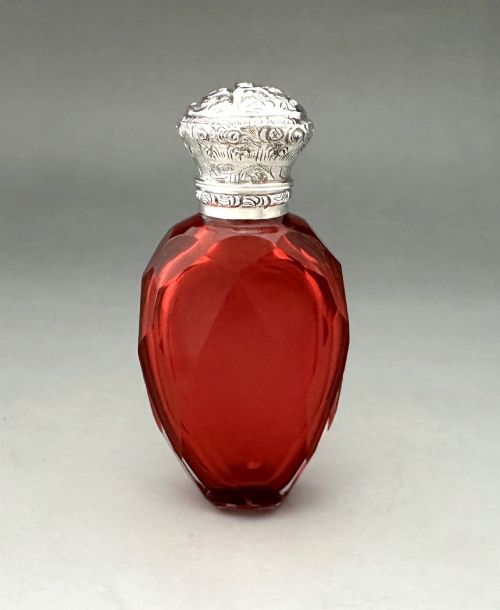
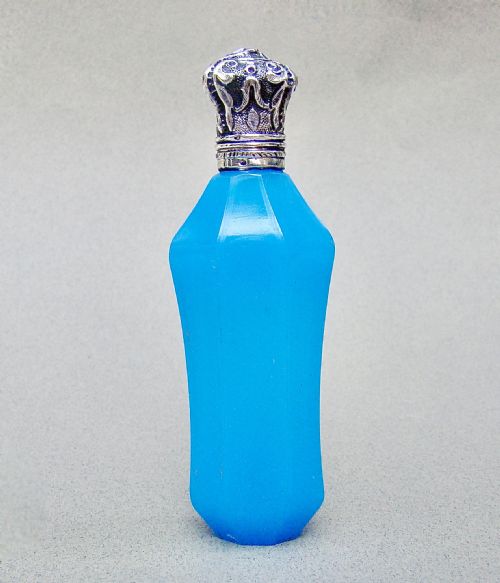
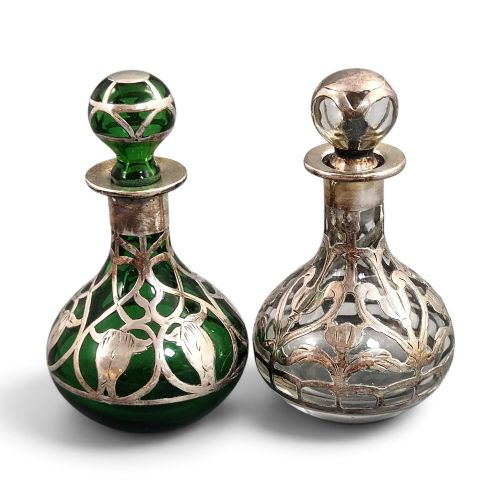
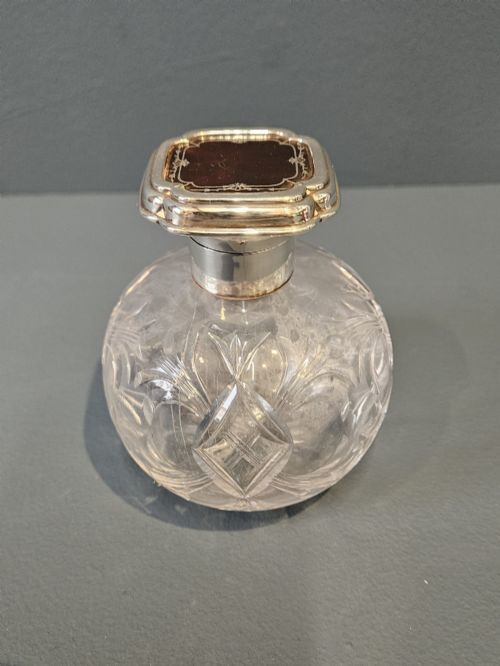
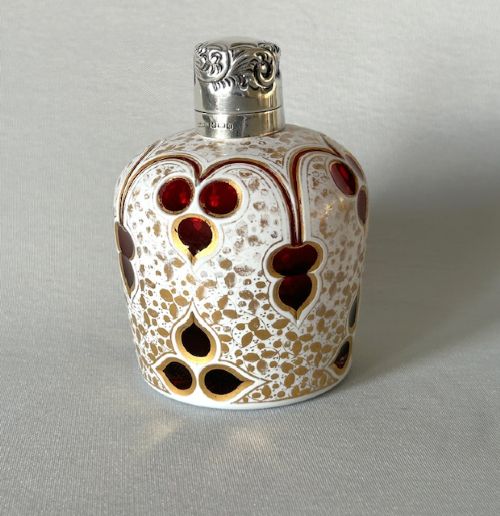
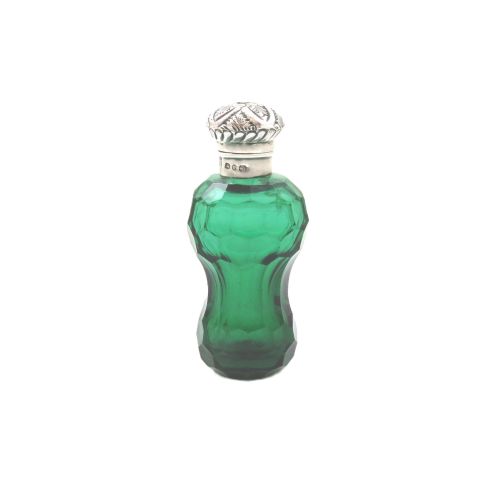
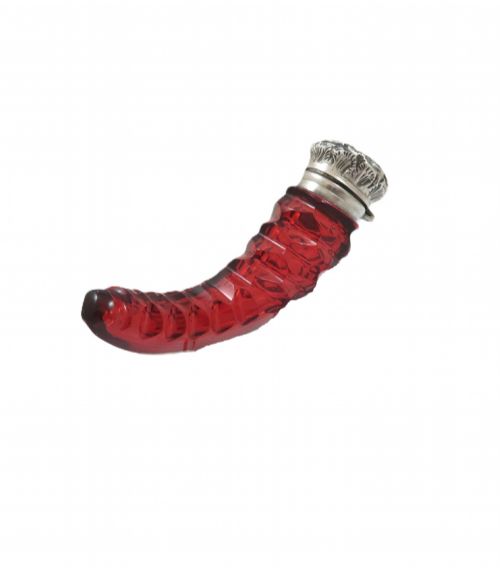
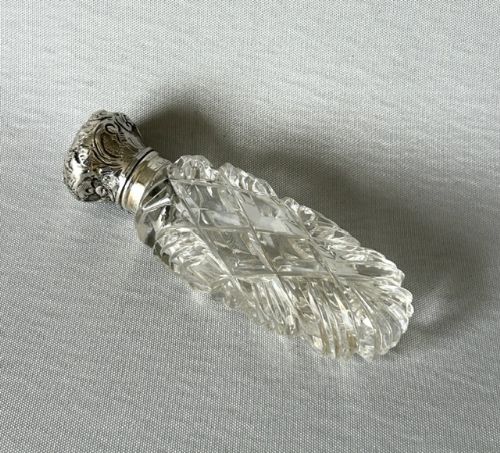
Glass bodies form the foundation of most pieces, utilising cut crystal, opaline, cranberry glass, and coloured glass overlays shaped by blowing or moulding.
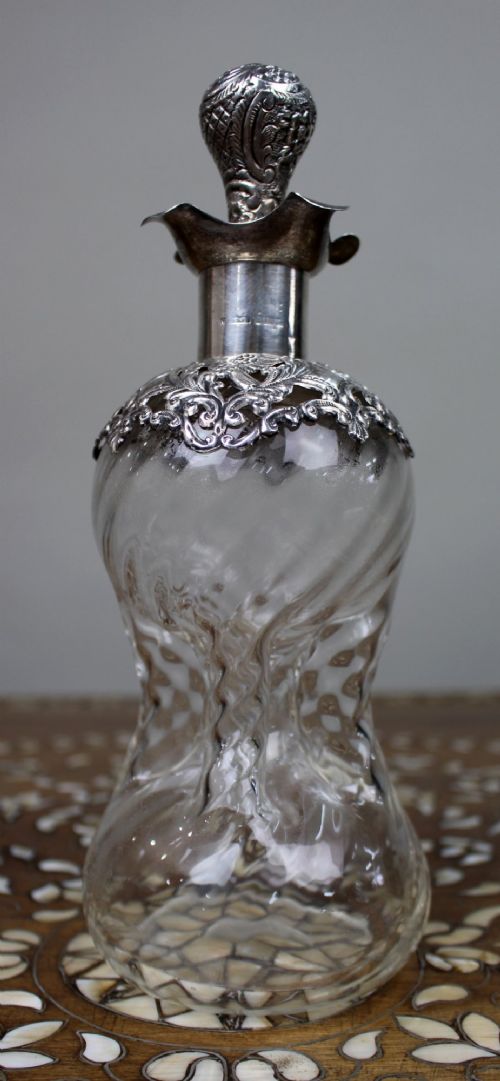
Sterling silver mounts and lids secure the tops, often shaped with repousse work, embossing, or paired with guilloche enamel, tortoiseshell, and ceramic inserts.
Evaluating craftsmanship
Superior examples show deep, crisp hand-cutting on the glass and heavy gauge sterling silver lids that maintain a precise, secure closure over the neck.
Makers integrated delicate decorative techniques, such as detailed enamel work, multi-layered glass overlays, or tortoiseshell pique inlay, which distinguish finer pieces from standard production items.
Gorham·Harold Bushell and Co·Henry Perkins·Franchini and Bigaglia·Sampson Mordan·Cornelius Desormeaux·Asprey
The Antique Silver Top Bottle Glossary
- Sterling silver
- A silver alloy containing 92.5 percent pure silver by mass, widely utilised for durable bottle mounts and hallmarked lids.
- Opaline glass
- An opaque or translucent glass produced in various pale shades, popular during the nineteenth century for decorative vanity items.
- Guilloche enamel
- A decorative technique where translucent enamel is layered over precisely engraved metal, common on Edwardian vanity sets.
- Repousse
- A metalworking method where silver is hammered into relief from the reverse side to create raised ornamental patterns.
- Slice-cut glass
- A method of cutting flat, linear facets across a glass vessel to catch light and reveal colour depth.
Antique Silver Top Bottle: Frequently Asked Questions
How do I date an antique silver top bottle?
Dating relies heavily upon the assay office hallmarks stamped into the silver mounts, which indicate the exact year and city of testing.
Stylistic shifts in the glass body and the contour of the silver lid further narrow down whether a piece originates from the Victorian or Edwardian eras.
What glass colours are typical for these bottles?
Victorian and Edwardian examples frequently utilise cranberry red, deep emerald green, ruby, and opaque opaline glass in shades of blue and turquoise.
Clear cut crystal and layered glass overlays also appear regularly across the nineteenth-century selections.
Were these bottles meant for travel?
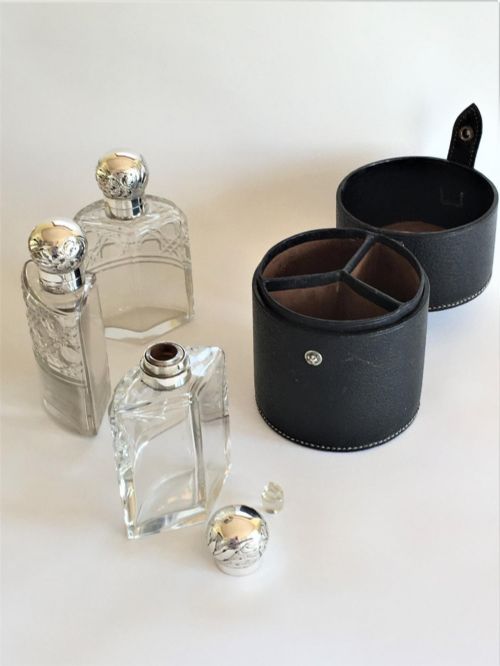
Many smaller scent and cologne bottles were specifically designed for travel, sometimes supplied in leather cases or fitted trios to prevent leaks.
Larger variations remained stationary on dressing tables or inside fitted wooden boxes and tantalus sets.
How do I clean the silver and glass safely?
Silver mounts require gentle cleaning with a soft cloth and a dedicated silver polish, avoiding contact with the glass body or enamel sections.
Glass interiors can be rinsed with warm water, though historic cork stoppers or paper liners inside the caps must be kept dry.