
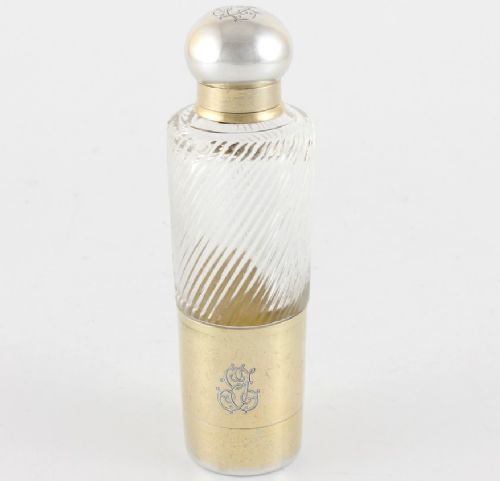
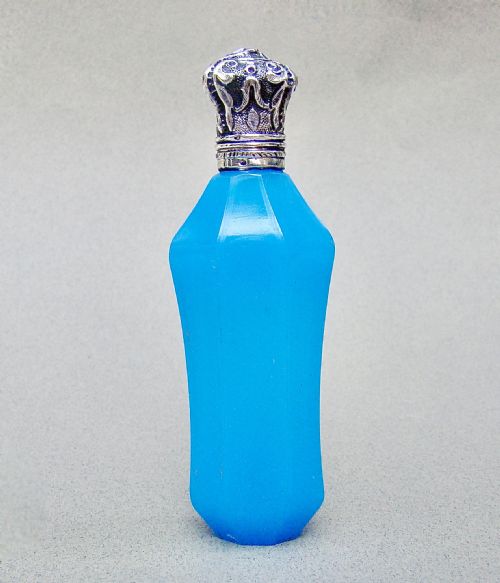
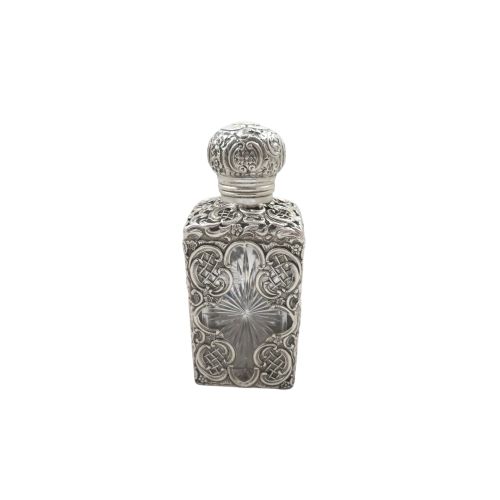
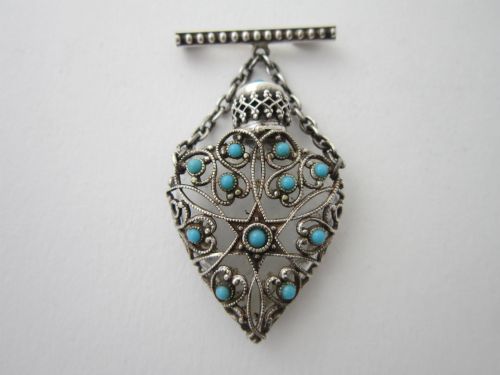
Silver Glass Scent Bottle
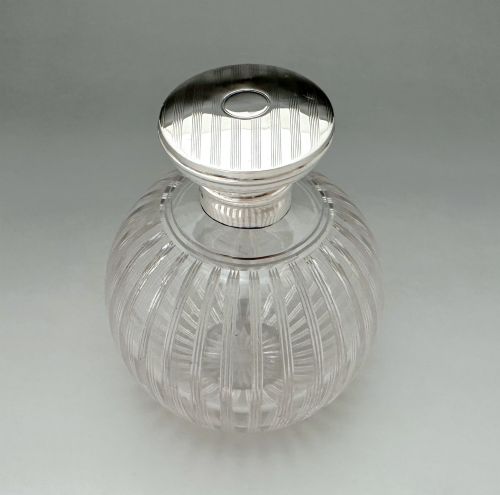
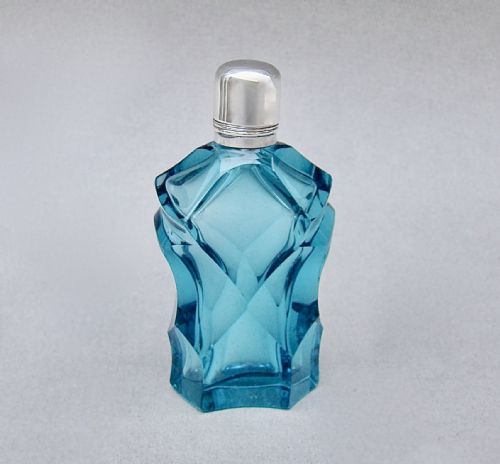
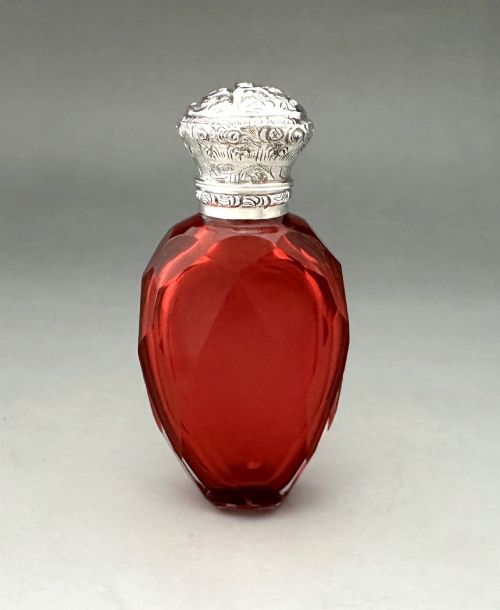
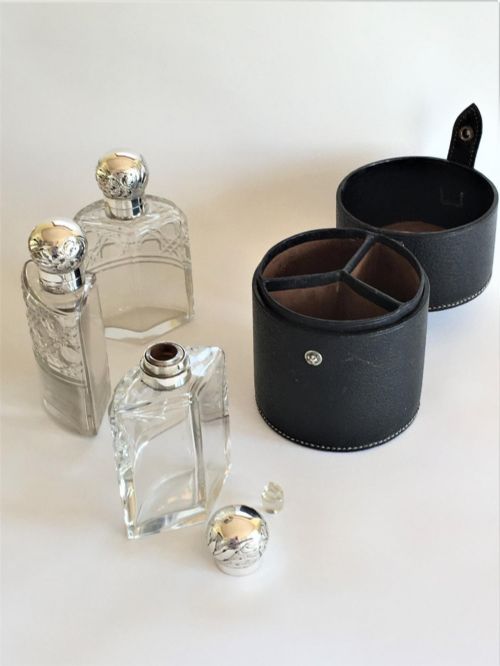
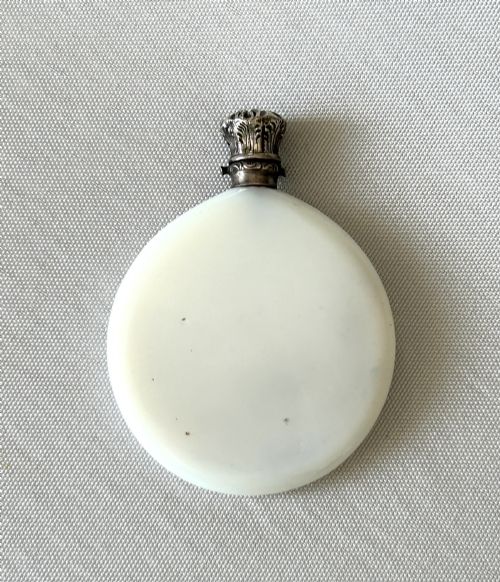
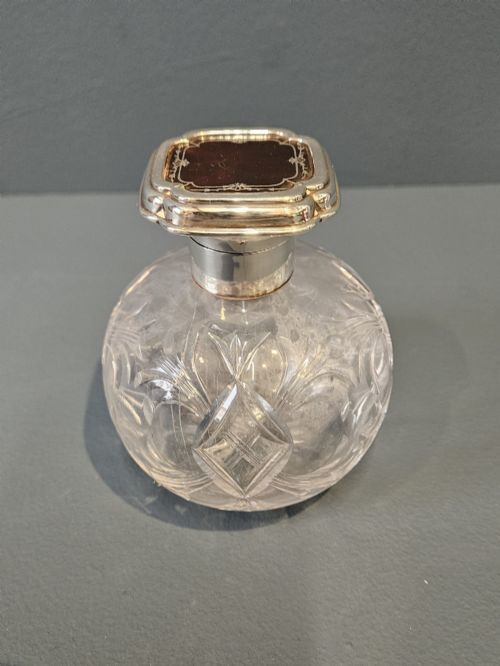
A silver glass scent bottle combines heavy metal mounts with colourful glass bodies for dressing table display or travel.
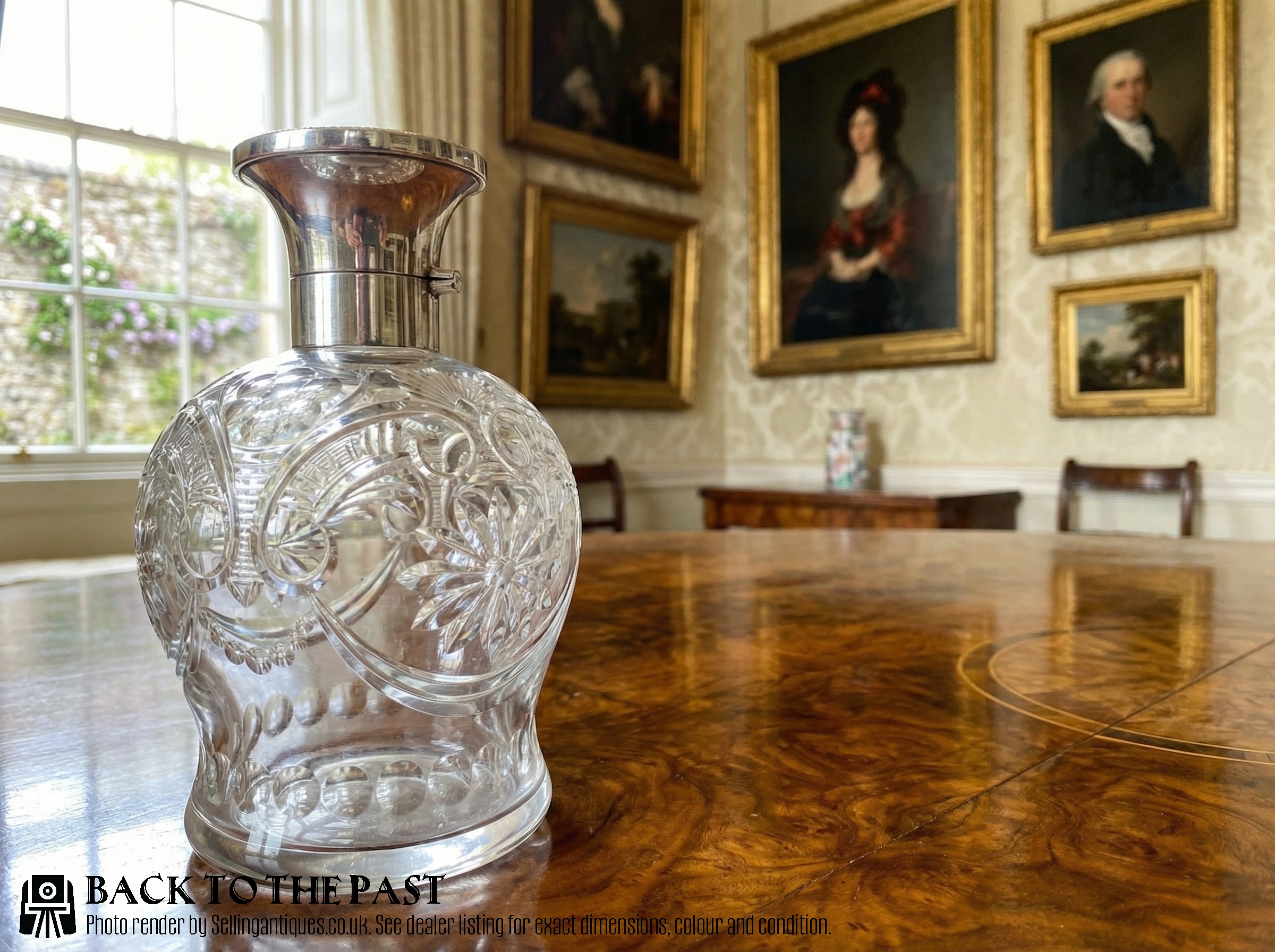
Identifying the silver glass scent bottle
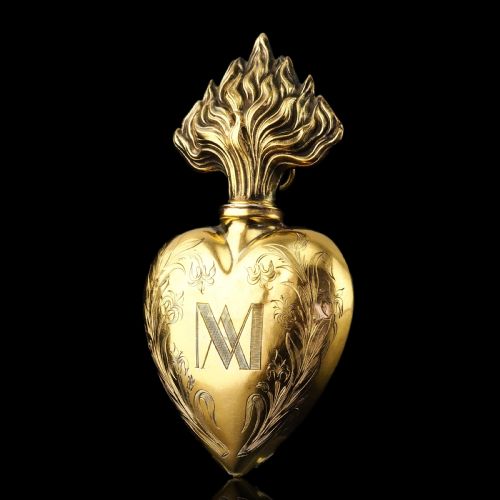
A silver glass scent bottle serves as a vanity accessory or pocket flask designed to hold liquid perfume securely behind a hinged or screw cap. These small vessels appear across the nineteenth century and into the art deco period, taking forms from simple faceted cylinders to chatelaine flasks.
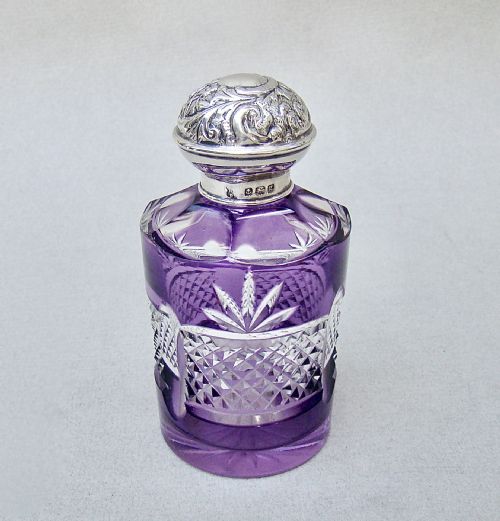
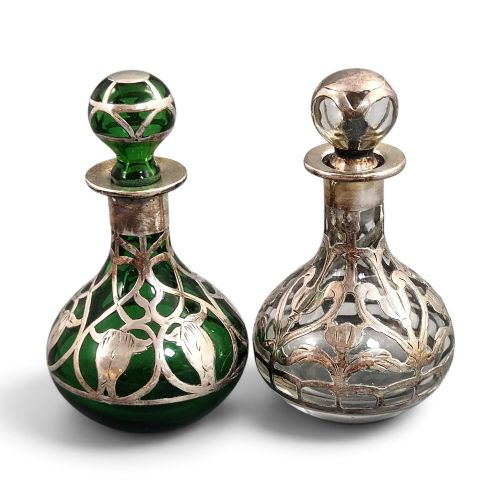
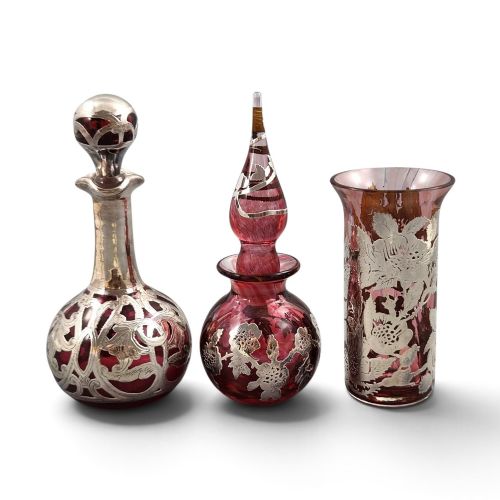
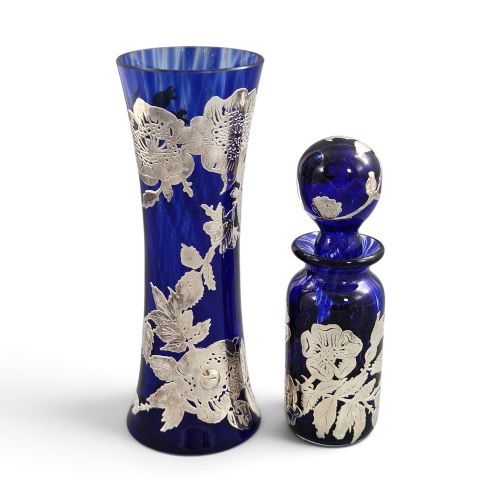
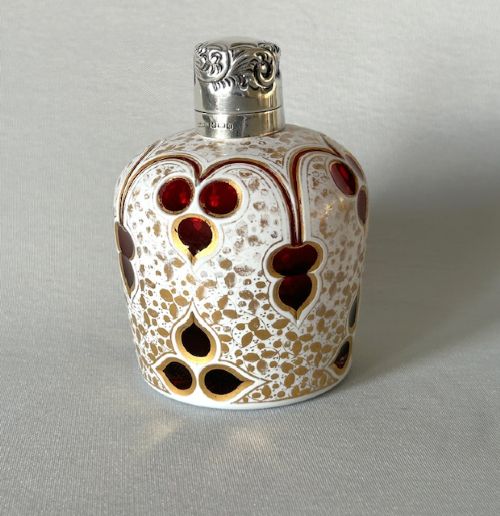
Most examples combine a glass body with sterling silver caps, collars or intricate wire overlays. French and British makers dominate the surviving pieces, often pairing coloured glass with hallmarked silver mounts.
Buyers encounter variations including overlay cut glass, layered cased glass, and enamelled vessels. The selection bridges functional dressing table accessories and decorative cabinet pieces.
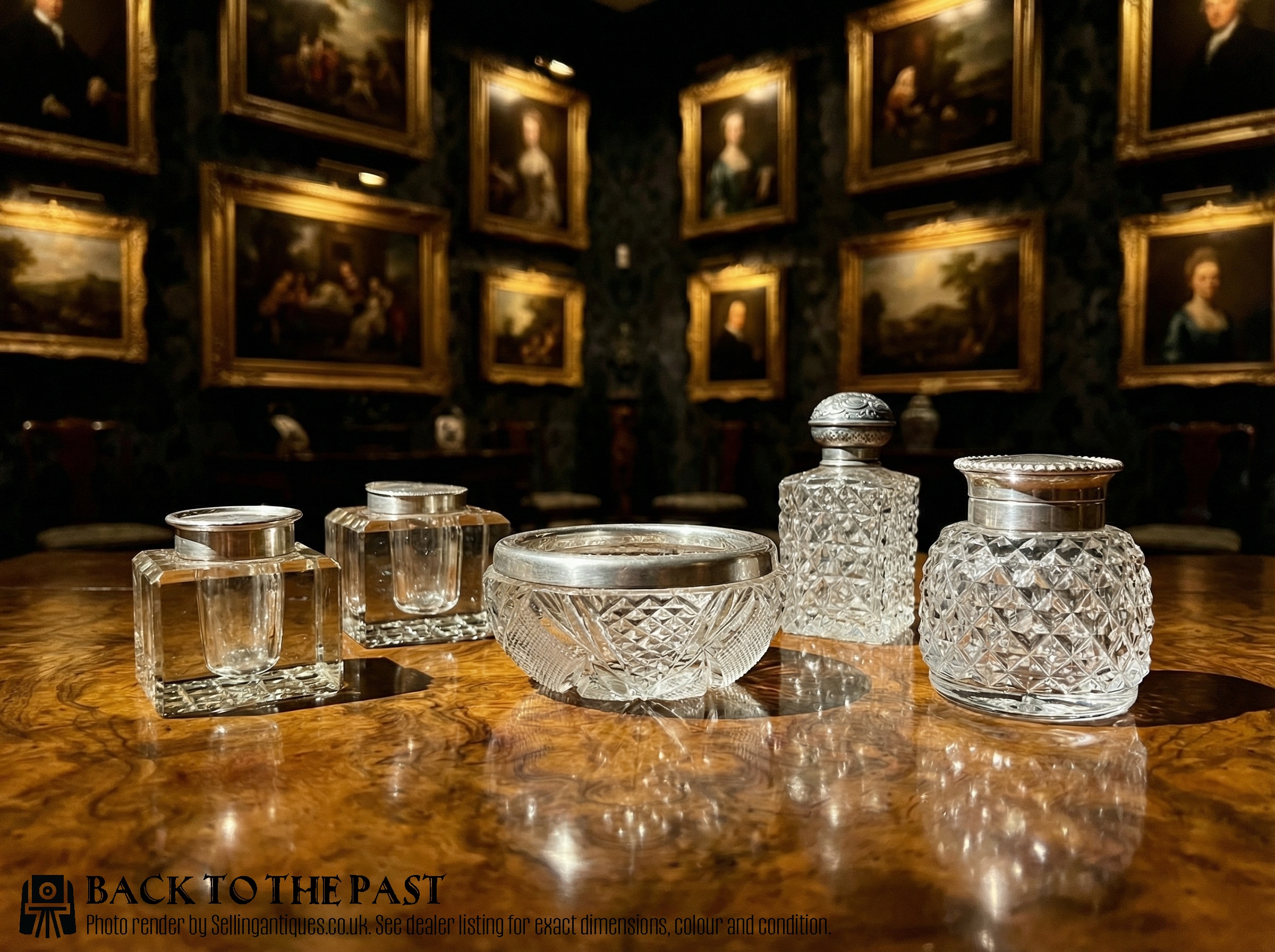
Materials and construction methods
Glass bodies were shaped through blowing, moulding, or cutting, utilising techniques such as latticino, millefiori, or layered casing to create colour and pattern. Overlay glass required cutting through an outer coloured layer to reveal the clear or contrasting glass beneath.
Silver components were cast or stamped before receiving hand engraving, chasing, or guilloche enamel work. Makers then secured these metal mounts directly to the glass necks or bodies using specialised adhesives or tight mechanical collars.
Retail Price Guide 2026
Typical UK retail prices for silver glass scent bottle, calculated from the Sellingantiques database of over a million retail prices indexed since 2003. This retail price guide relies exclusively on Sellingantiques data; no external sources or auction records are used, so the figures do not describe the wider market.
Some Victorian ladies relied on uranium glass scent bottles that glowed eerily green under candlelight during fashionable evening parlour games.
Assessing quality in antique scent bottles
Quality rests on the weight and clarity of the glass coupled with the crispness of the silver work. Heavy cut glass with deep facets and polished rims indicates superior manufacture compared to thin, simple moulded vessels.
The integration between the metal mount and the glass body reveals the maker's skill. Tightly fitted silver collars, crisp hallmarks, and undamaged enamel or gilding separate finer salon pieces from standard utility items.
James Fenton·W.G. Sothers and Co·Henry Bourne·Britton Gould and Co·Charles Boyton·Charles May·The Mousley Brothers·The Adie Brothers·Richard Comyns·George Edwin Walton
The Silver Glass Scent Bottle Glossary
- Sterling silver
- A silver alloy containing 92.5 percent pure silver by mass and 7..5 percent other metals, usually copper. This standard material forms the caps, collars, and decorative overlays on many nineteenth and twentieth-century vanity bottles.
- Vermeil
- Sterling silver plated with a thin layer of gold. This finish adds a warm, rich tone to the metal mounts of certain antique French and British perfume flasks.
- Guilloche enamel
- Decorative mechanical engraving underneath transparent enamel. This technique creates repeating geometric patterns beneath coloured glass surfaces on art deco and late Victorian pieces.
- Cased glass
- Glass composed of two or more distinct layers of different colours. Artisans cut through the outer layers to expose contrasting colours underneath, producing deep visual depth.
- Chatelaine
- A decorative belt hook from which women suspended utility items like scent bottles and vanity accessories. These portable flasks feature secure chains or loops for suspension.
Frequently Asked Questions
How do I clean the inside of an old scent bottle?
Residue inside antique glass requires gentle treatment without harsh abrasives or boiling water, which can crack old glass or damage internal silver fittings.
Warm water mixed with mild dish soap and a soft bottle brush usually removes old perfume oils safely when rinsed thoroughly.
Are these bottles safe for modern perfume use?
Many antique stoppers and cork seals degrade over decades, meaning liquid may leak if the bottle is laid flat or carried in a bag.
It is best to test the seal with water first or simply display the piece with the stopper resting lightly in the neck.
How do I identify the date of the silver mount?
British silver mounts carry hallmarks that include assay office marks, date letters, and maker's marks stamped directly onto the metal collar or lid.
Comparing these stamped letters against standard assay office charts reveals the exact year the silver component was tested and marked.