
Victorian Glass Bottle
A victorian glass bottle offers functional elegance, bringing rich colour and tactile metal mounts into daily spaces.
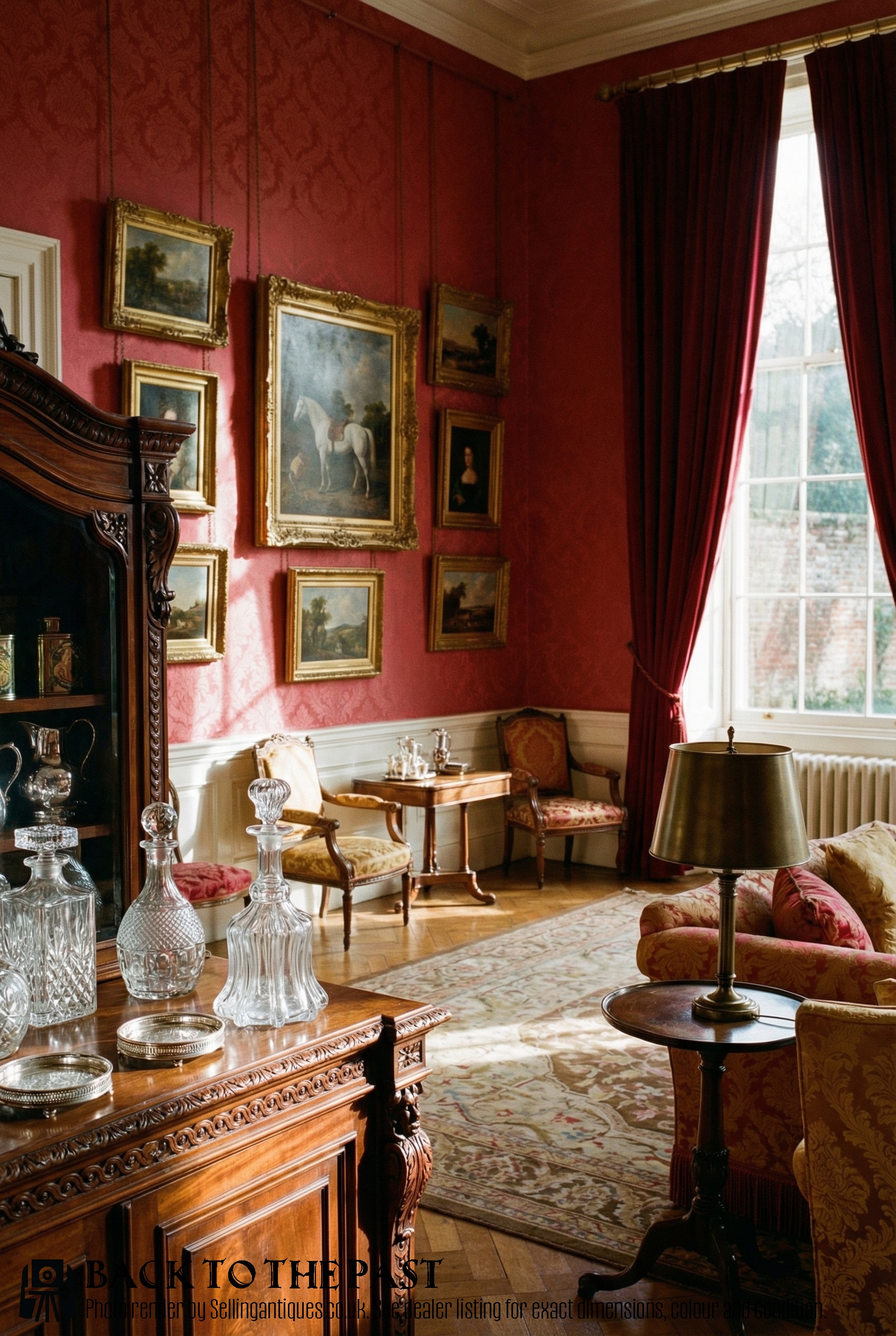
Decanters and Scent Bottles
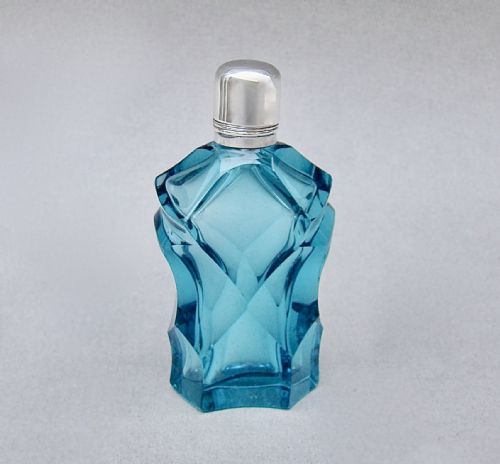
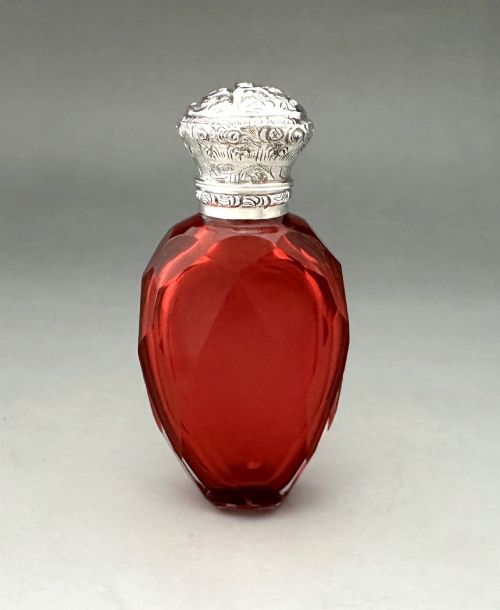
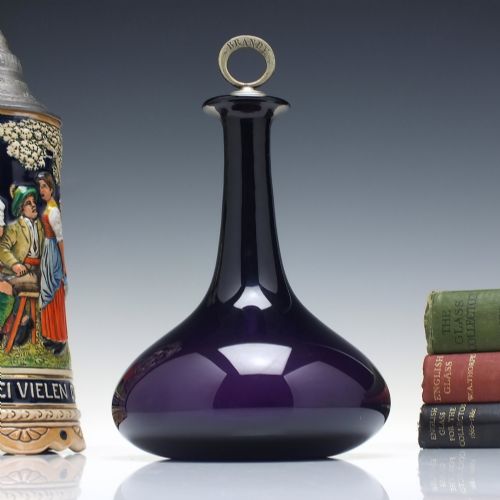
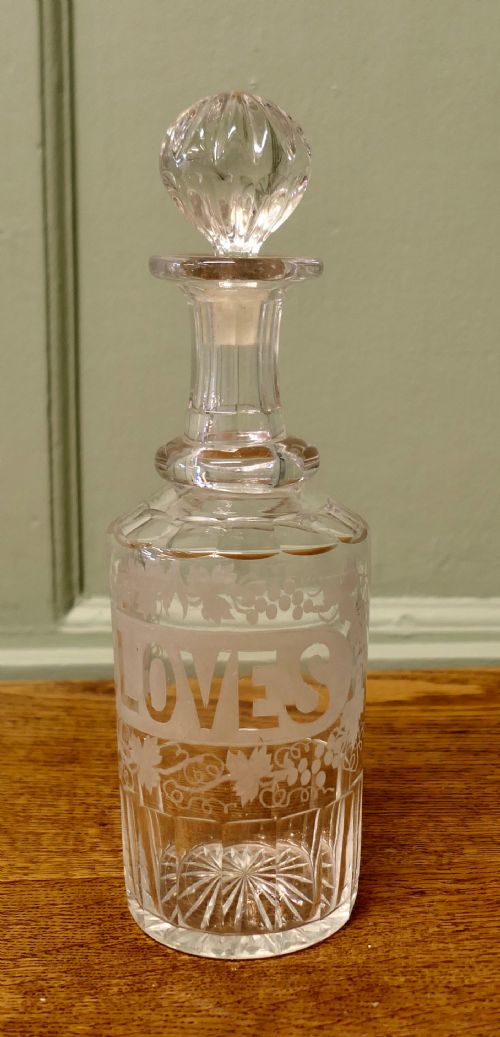
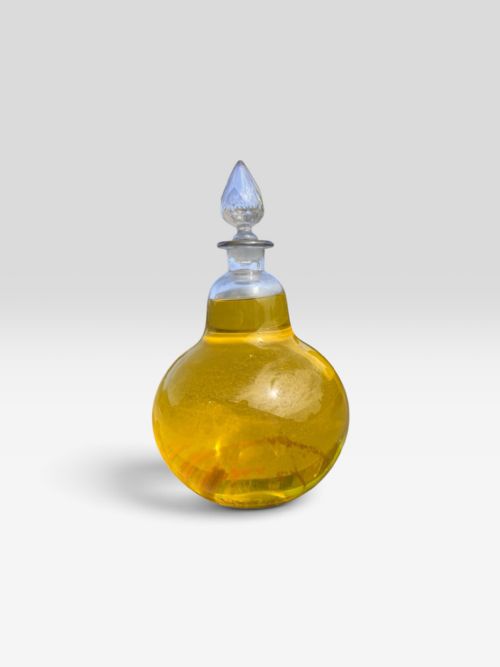
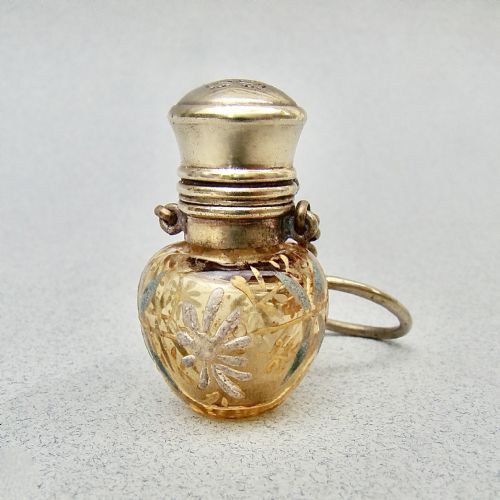
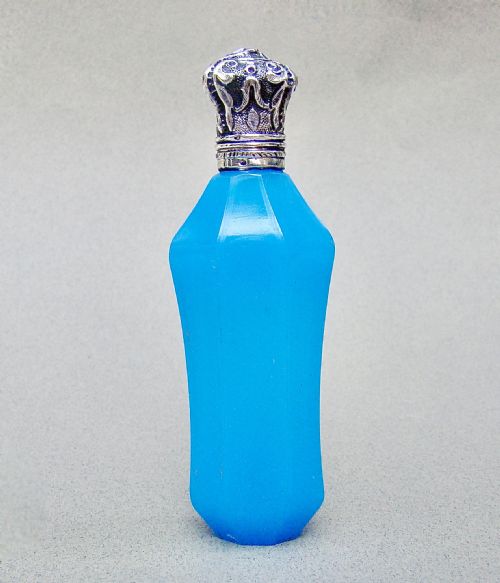
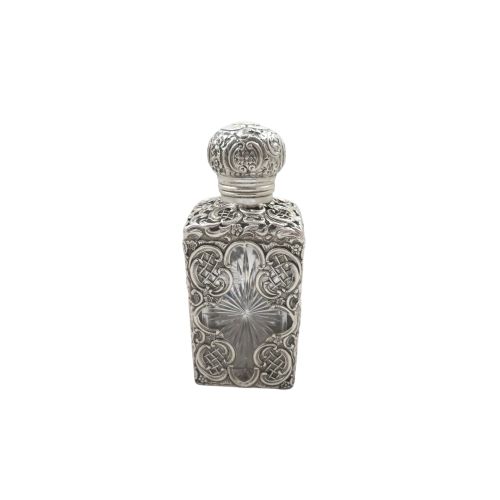
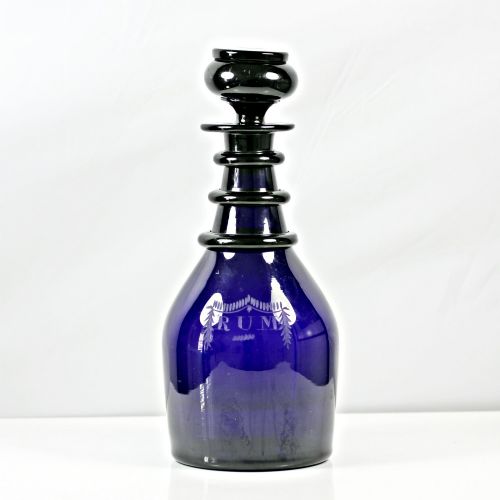
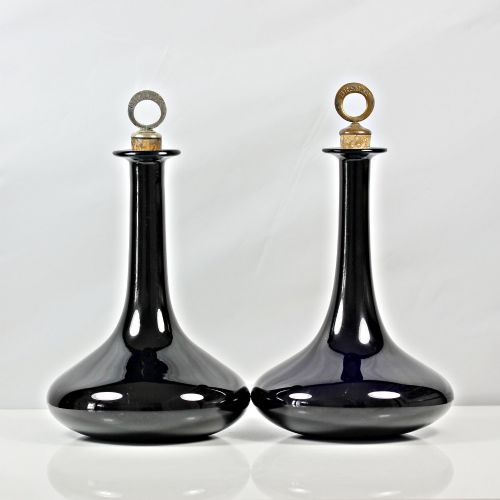
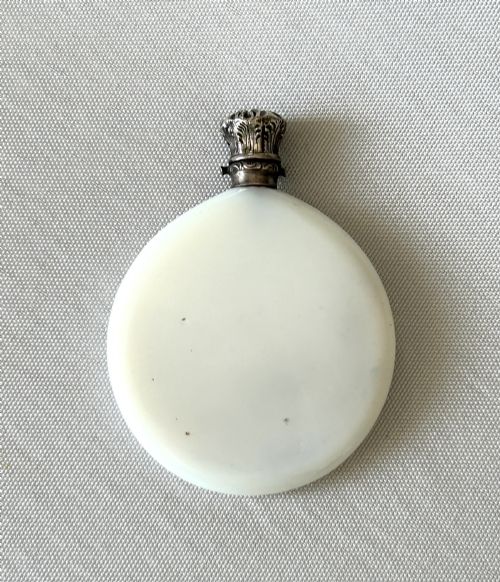
A victorian glass bottle most commonly appears as a tall decanter for the dining table or a pocket-sized scent vessel for the dressing table.
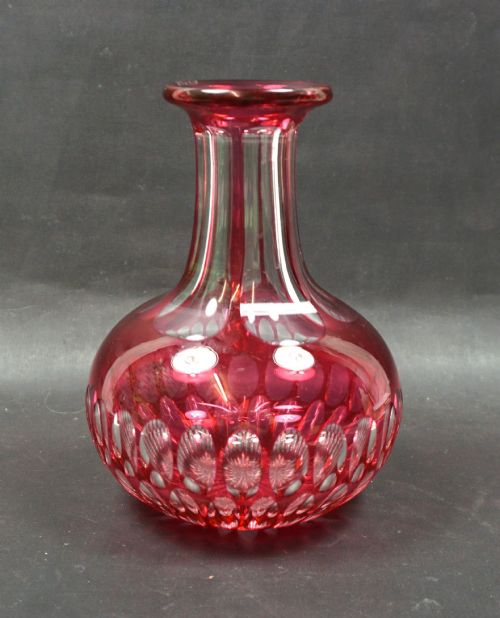
The material palette spans deep amethyst, Bristol blue, emerald and cranberry hues, alongside heavy clear cut crystal and cased glass.
These items originate across the nineteenth century, with specific examples carrying hallmarks and dates spanning from the eighteen-fifties through the turn of the century.
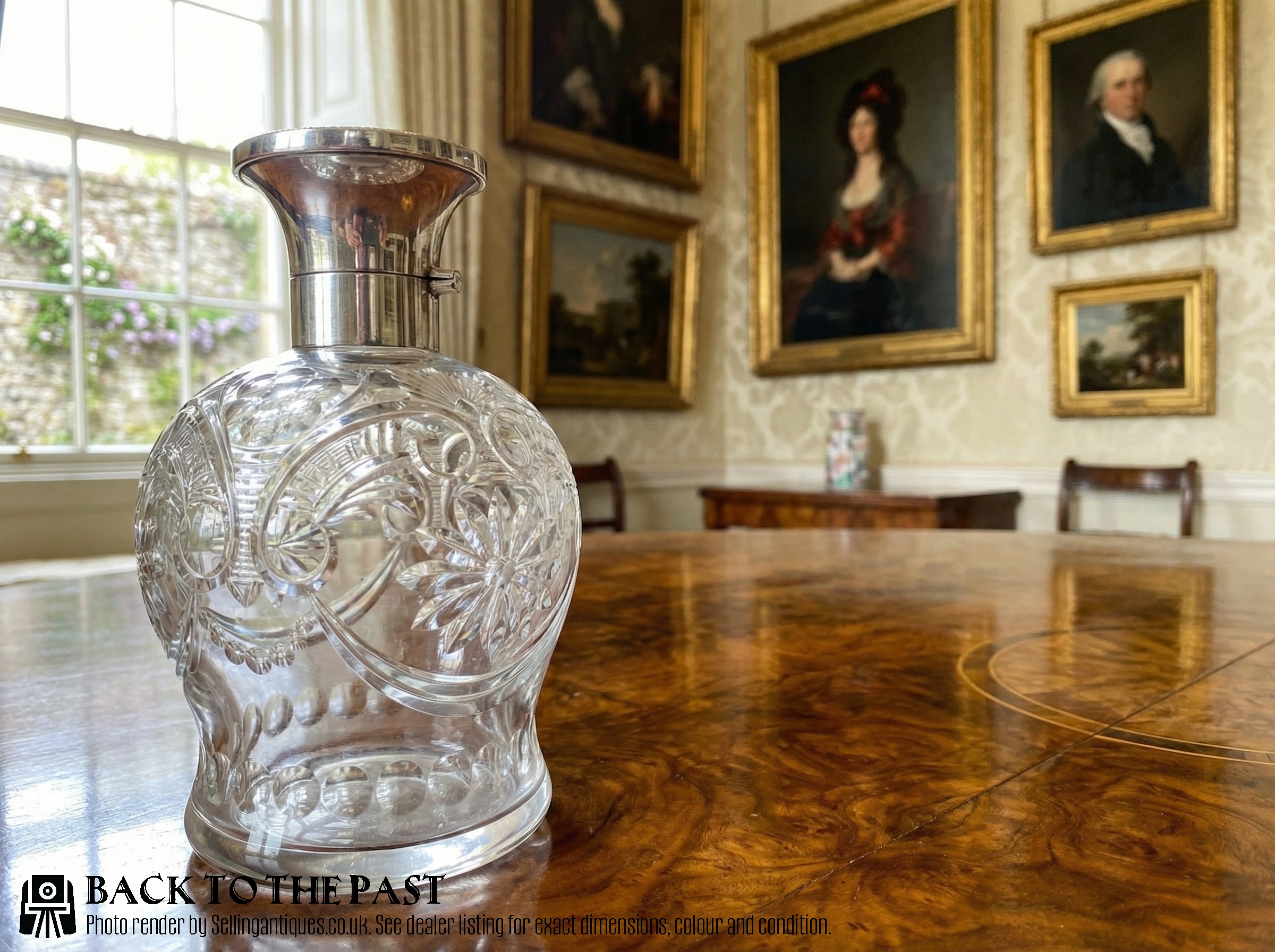
Glassblowing and Metal Mounting
Makers shaped molten glass using traditional blowing techniques, sometimes layering colours or applying wheel-cutting to create faceted surfaces and dramatic overlays.
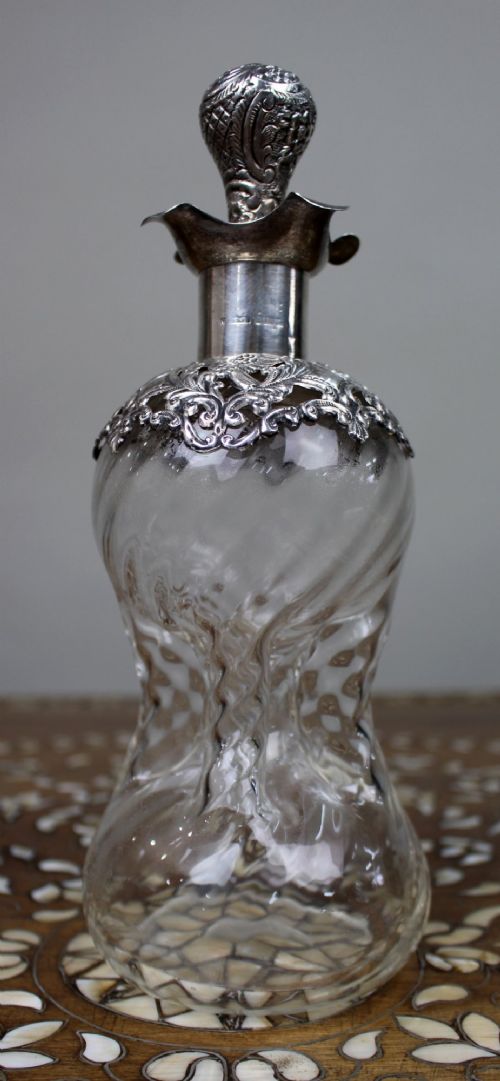
Many smaller bottles incorporate sterling silver or silver-plated mounts, hinged caps and collars that require precise metalworking alongside the glass body.
Retail Price Guide 2026
Typical UK retail prices for victorian glass bottle, calculated from the Sellingantiques database of over a million retail prices indexed since 2003. This retail price guide relies exclusively on Sellingantiques data; no external sources or auction records are used, so the figures do not describe the wider market.
Listings feature periods spanning the Victorian era, specifically highlighting items dated across the mid to late nineteenth century.
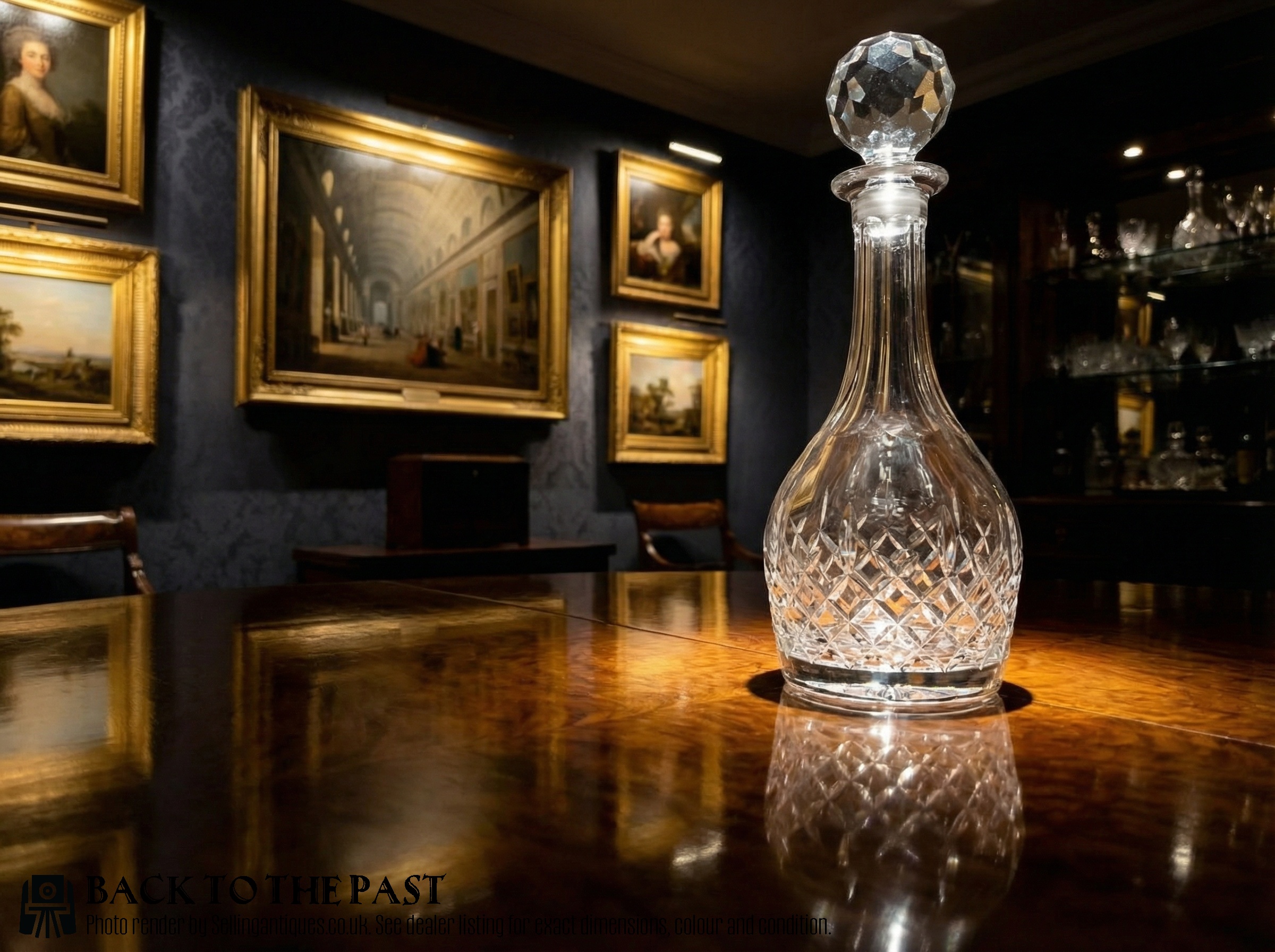
Depth of Colour and Mount Detail
The richness of the glass body, from deep cobalt to shaded opaline or uranium tones, determines the visual weight of the piece.
The crispness of wheel-cut facets and the presence of fully hallmarked silver tops elevate simpler vessels into masterworks of nineteenth-century craft.
James Fenton·Henry Bourne·Charles Boyton·The Mousley Brothers·Charles May·Moser·G Walton·Griffith and Co·Grinsell and Sons
The Victorian Glass Bottle Glossary
- Cased Glass
- Glass formed of multiple distinct layers of different colours, often cut away to reveal the contrasting hue beneath. This technique creates striking visual depth.
- Shaft and Globe
- A silhouette characterised by a long slender neck expanding into a rounded lower body. This classic form balances securely on dining tables.
- Scent Bottle
- A small personal container designed for perfume or smelling salts, typically fitted with a secure metal screw or hinged lid.
- Sterling Silver
- An alloy of silver used for protective caps, collars and double-ended hinged mounts on portable glassware. Hallmarks on these mounts often record the exact year and assay office.
- Millefiori
- Multicoloured glass canes fused together in patterns resembling floral mosaics. This decorative technique appears in selected cabinet specimens.
Frequently Asked Questions
What were victorian glass bottles used for?
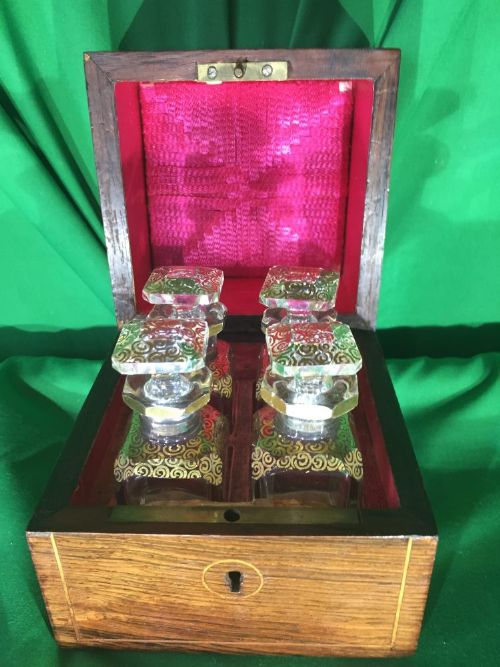
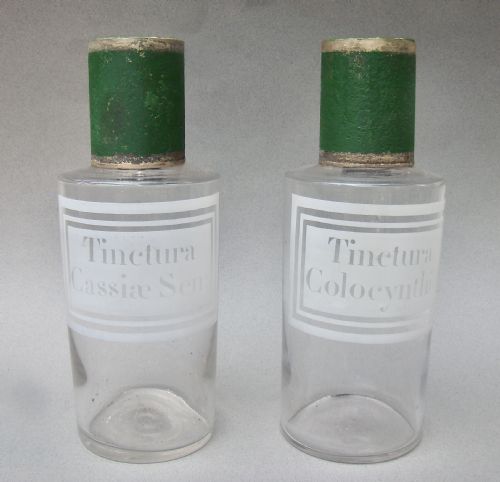
These vessels served practical domestic roles, functioning as table decanters for wine and spirits or as portable containers for personal perfumes and smelling salts. Their robust construction suited daily handling in the home or travel in fitted dressing cases.
Over time, these utilitarian objects became decorative display items, valued for their vibrant coloured glass and reflective silver hardware.
How do you clean a victorian glass bottle?
Careful cleaning involves warm water and mild soap, avoiding harsh abrasives that might scratch the delicate glass or damage historic silver mounts. Metal components benefit from keeping moisture away from glued or cork linings.
Allowing the interior to dry naturally prevents residue accumulation, preserving the clarity of cut crystal and coloured vessels alike.
How can you date a victorian glass bottle?
Dating relies heavily on the silver hallmarks found on the mounted collars and lids, which record specific assay years and maker marks. Stylistic cues in the glass cutting and colour preferences also point toward decades such as the eighteen-fifties or eighteen-nineties.
Archival records demonstrate distinct shifts from heavy cut crystal toward overlay and cased techniques as the nineteenth century progressed.
What is cased glass?
Cased glass consists of two or more distinct layers of glass fused together during the blowing process. This method allowed artisans to cut through the outer layer to expose a contrasting colour beneath.
Examples include cranberry or blue layers over clear or white glass, creating high-contrast decorative patterns.