


Victorian Crystal Decanter
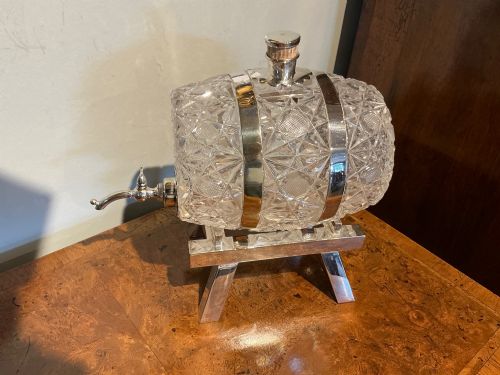
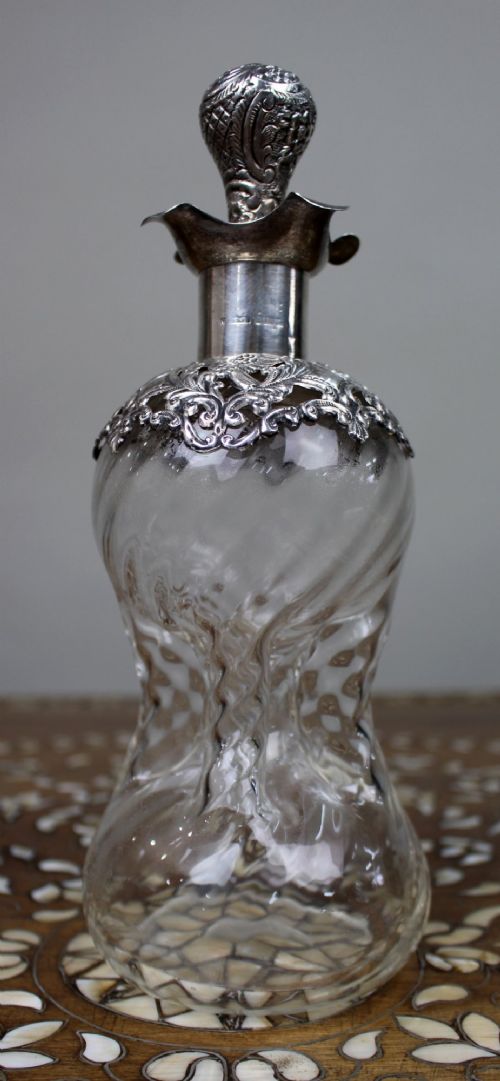
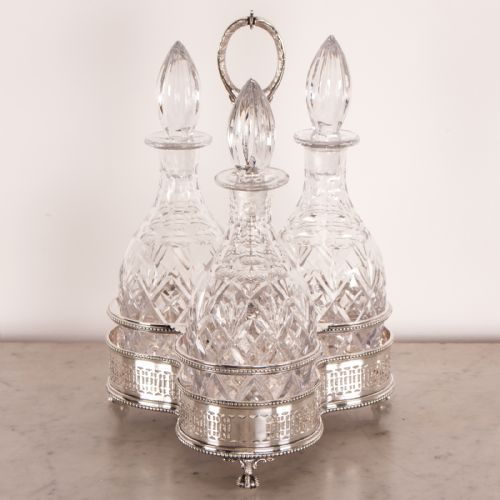
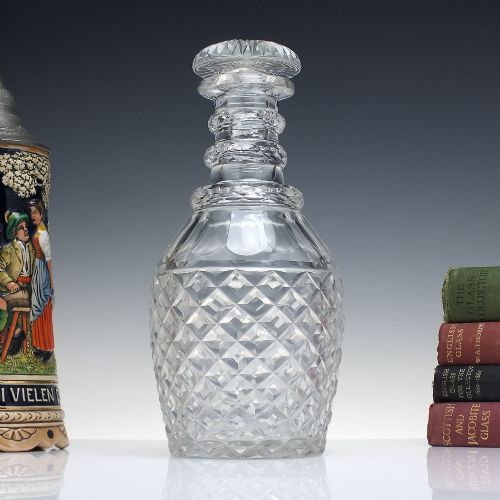
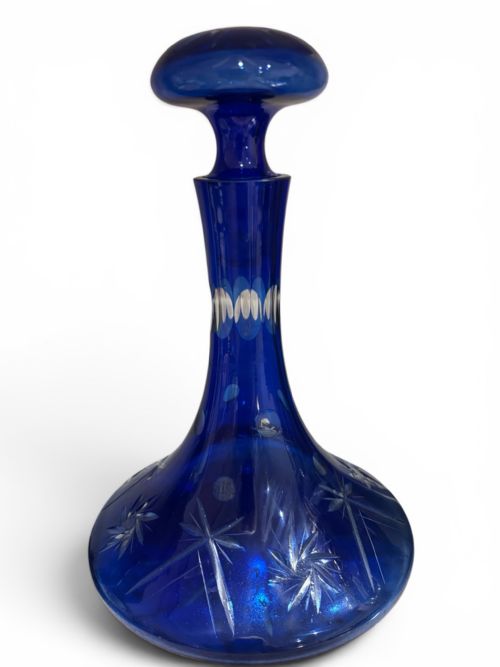
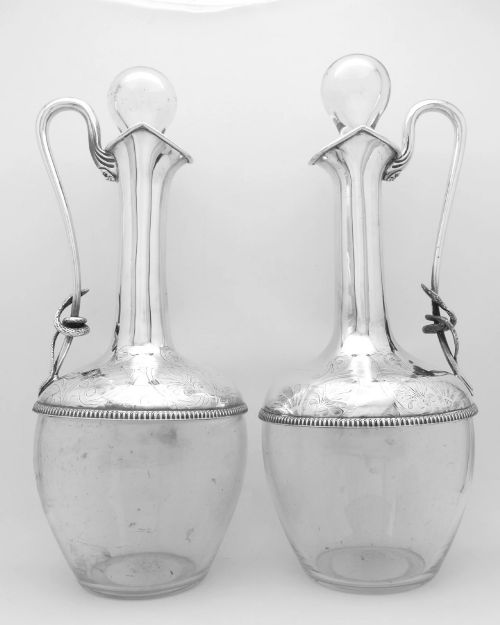
These Victorian crystal decanter pieces offer heavy lead glass and silver fittings for dining room sideboards.
Victorian crystal decanter forms and origins
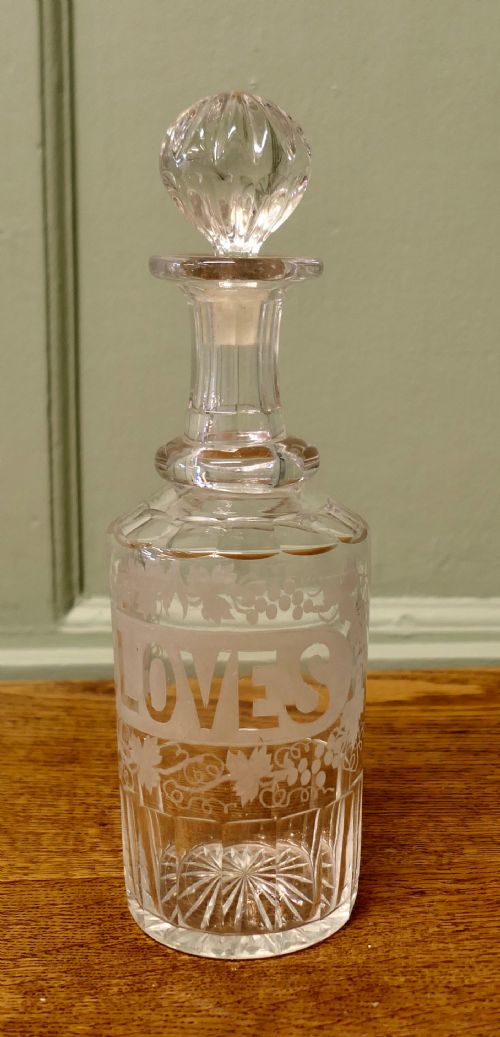
A victorian crystal decanter brings heavy glass vessels to the table, appearing across periods from the eighteen-fifties through to nineteen-twenty.
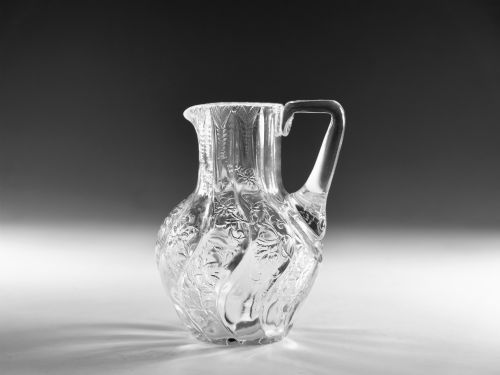
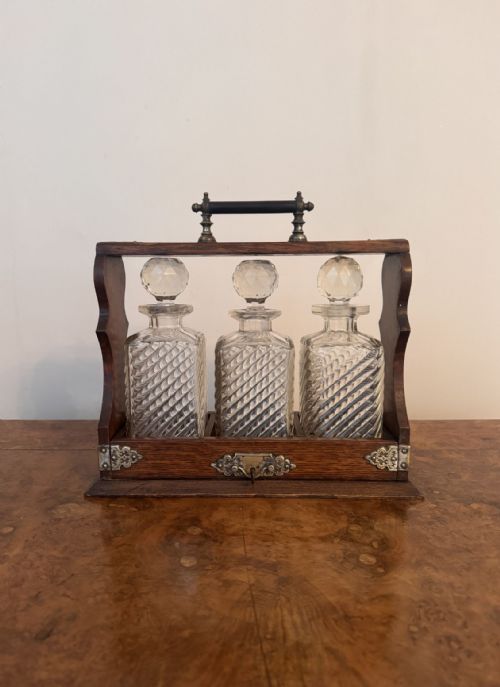
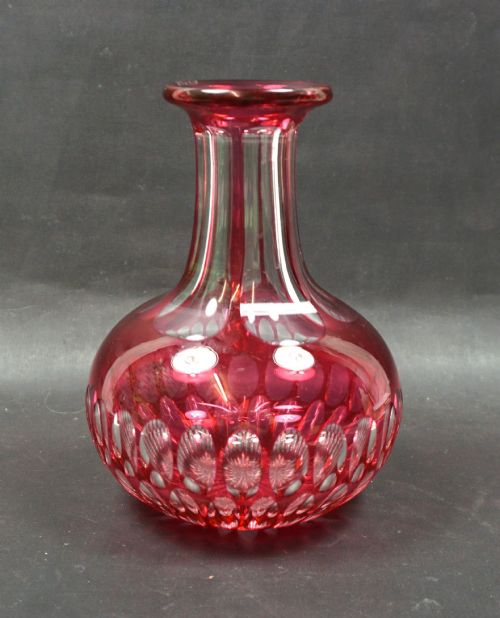
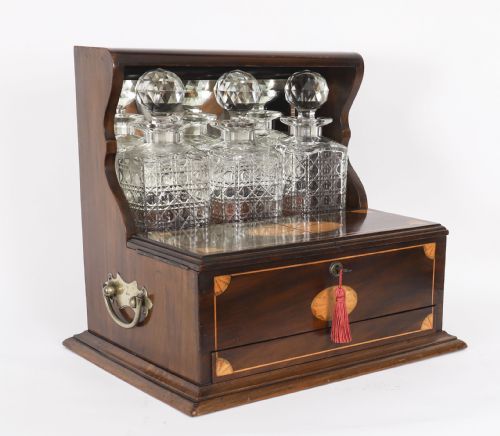
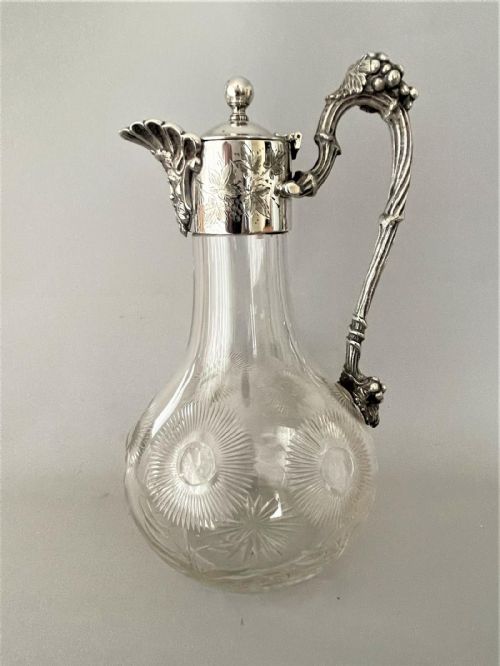
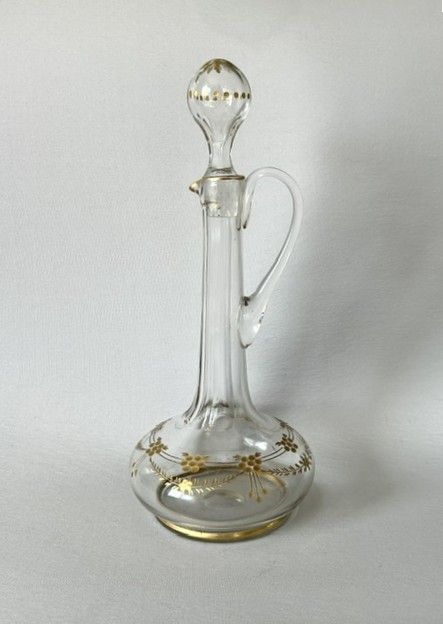
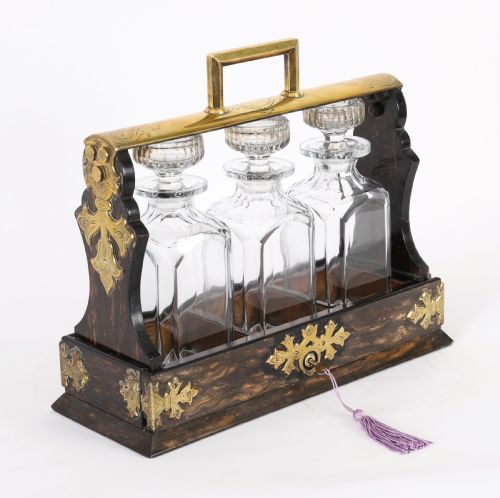
The pieces on this page include tall cut glass decanters, pairs of claret jugs, and fitted tantalus sets housed in burr walnut, golden oak, or plain oak cabinets.
Many examples arrive with matching glasses or silver plated stands, whilst others feature sterling silver collars or rims by known makers like Hukin and Heath.

Materials and construction
Craftsmen shaped these items using heavy lead crystal and glass, applying deep cut patterns such as hobnail alongside delicate etched or engraved ornamentation.
Metalwork components integrate sterling silver collars and silver plated stands, paired with fitted wood cases constructed from burr walnut and golden oak.
Retail Price Guide 2026
Typical UK retail prices for victorian crystal decanter, calculated from the Sellingantiques database of over a million retail prices indexed since 2003. This retail price guide relies exclusively on Sellingantiques data; no external sources or auction records are used, so the figures do not describe the wider market.
A tantalus prevents guests from drinking the whiskey by locking the stoppers inside a cage.
Distinctions in craftsmanship
The upper tier of these vessels reveals itself through deep, crisp wheel-cutting and heavy lead crystal weight that feels substantial in the hand.
Quality further shows in fitted cabinetwork where burr walnut or oak frames secure multiple bottles with functioning locks and intact metal hardware.
Hukin and Heath
The Victorian Crystal Decanter Glossary
- Crystal
- A heavy form of glass containing lead oxide that increases brilliance and weight. This material allows for deep decorative cutting without losing structural integrity.
- Tantalus
- A locked wooden cabinet holding decanters visible behind bars so guests cannot help themselves. It secures the bottles while displaying them on a sideboard.
- Claret Jug
- A specialised pouring vessel designed specifically for red wine. These often combine glass bodies with silver handles, lips, and hinged lids.
- Hobnail Cut
- A raised, multi-faceted geometric pattern resembling the iron nails on heavy boots. It creates a tactile texture across the surface of the glass.
- Silver Plate
- A thin layer of silver fused to a base metal foundation. It provides the sheen of solid silver on collars, stands, and mounts.
Frequently Asked Questions
Were these used only for wine?
These vessels held various spirits and ports upon the dining table or within a dry bar setup. Families stored claret, whisky, and cordials inside.
Tantalus sets kept expensive liquor secure from domestic staff and visiting guests during the nineteenth century.
Can I use them every day?
Many collectors utilise these pieces for serving drinks during dinner parties and family gatherings. Hand washing preserves the clarity of the lead glass.
Take care when placing heavy cut glass vessels onto hard wooden sideboards or marble serving counters.
How are different decades told apart?
Early examples often display engraved decoration rather than heavy geometric cutting. Mid to late period items tend to feature deep hobnail patterns and silver mounts.
Fitted oak and burr walnut tantalus cabinets generally emerge from the later decades of the nineteenth century onward.