
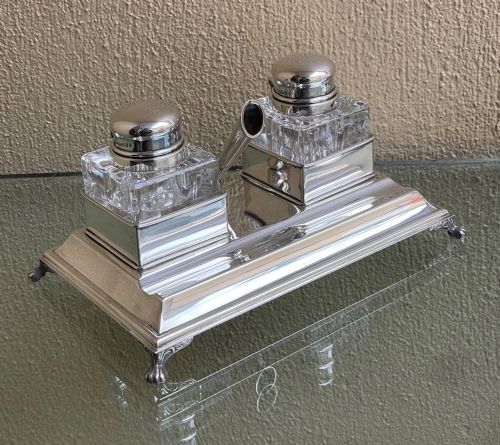
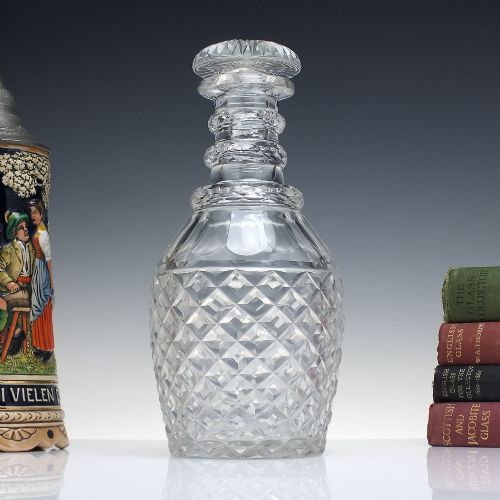
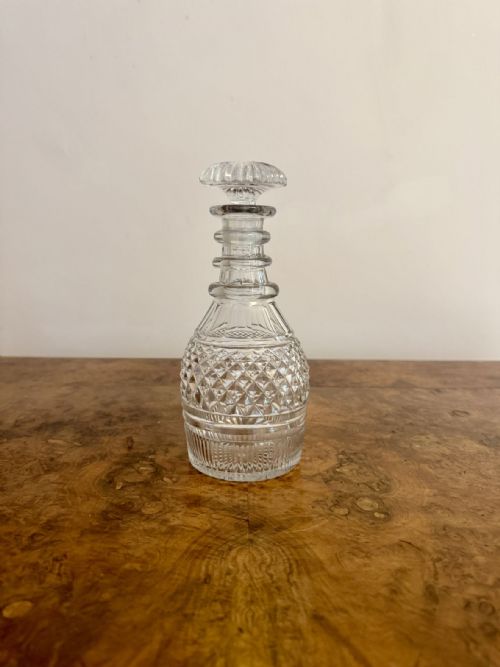
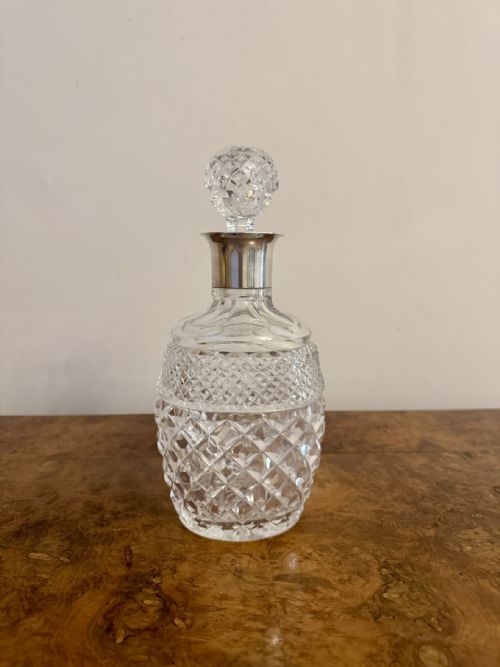
Vintage Cut Glass Bottle
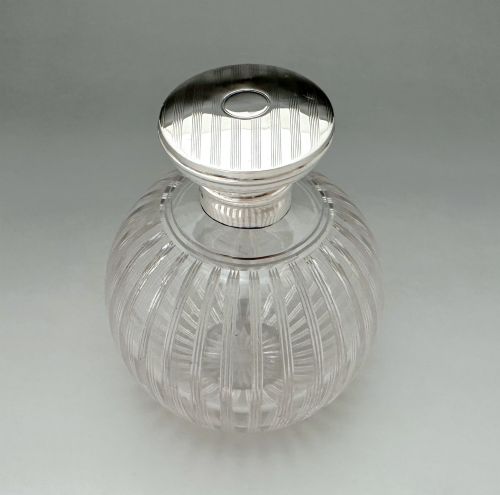
A vintage cut glass bottle brings heavy-cut brilliance and silver mounts to a dressing table or drinks tray, offering tangible weight and period craft.
Vintage Cut Glass Bottle
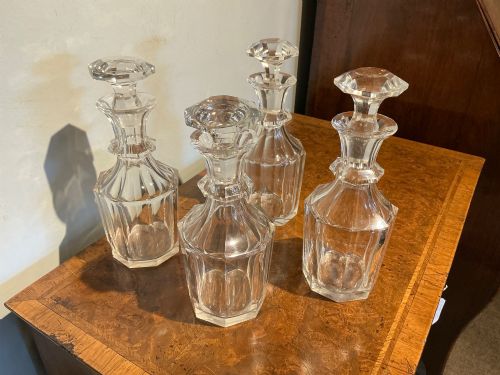
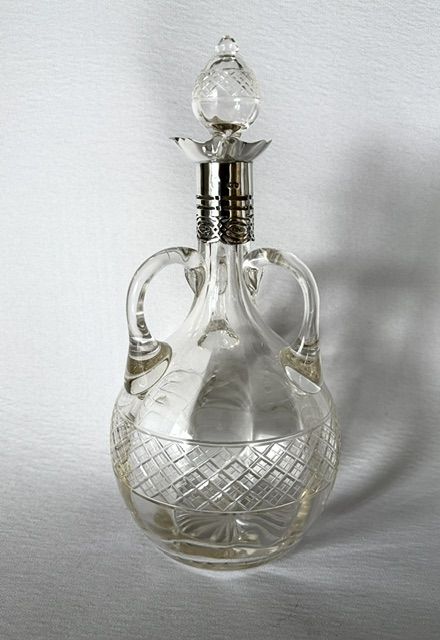
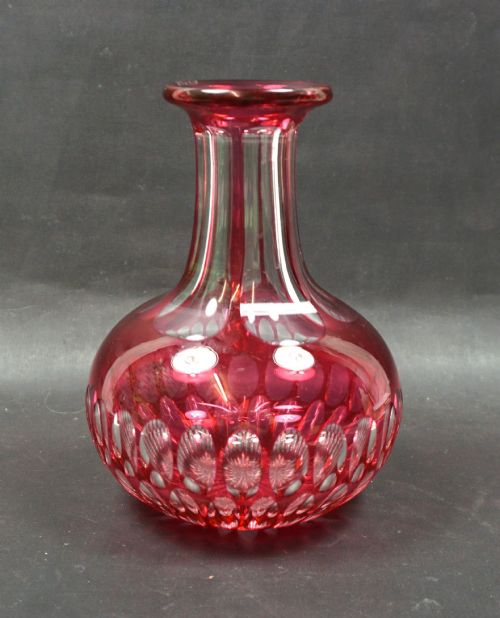
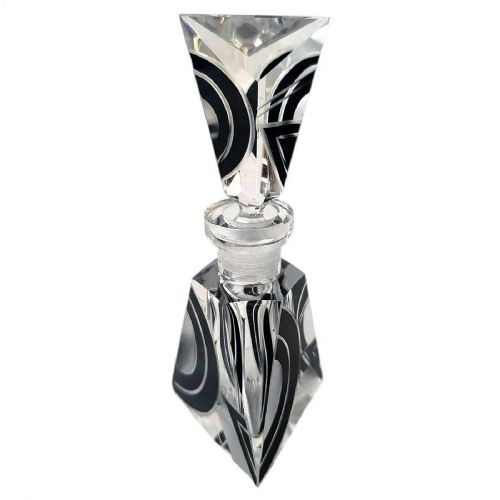
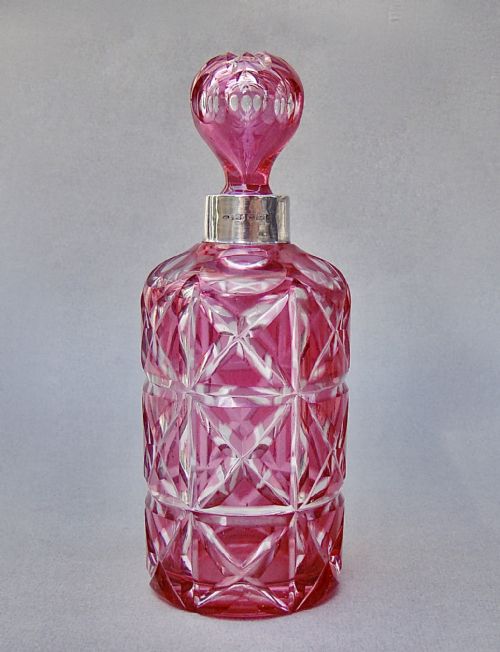
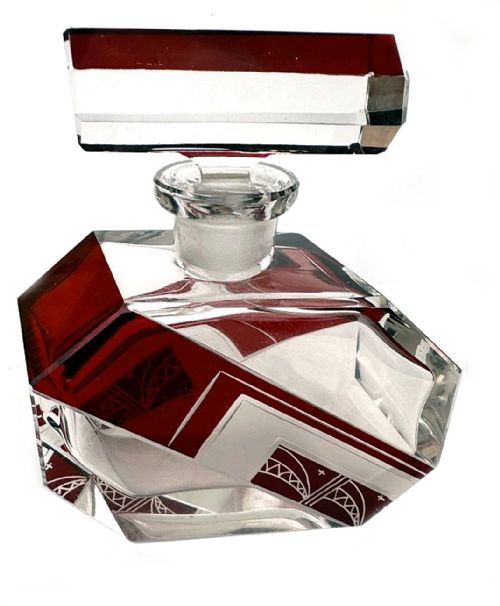
A vintage cut glass bottle typically takes the form of a scent bottle, a perfume bottle, or a decanter shaped for spirits and wine. These pieces span from the Victorian and Edwardian eras into the Art Deco period, showcasing heavy facet-cutting and sometimes overlay colours like cranberry or cobalt.
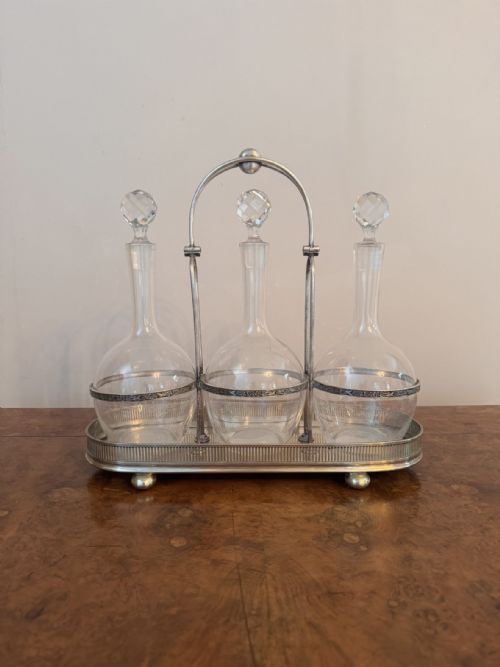
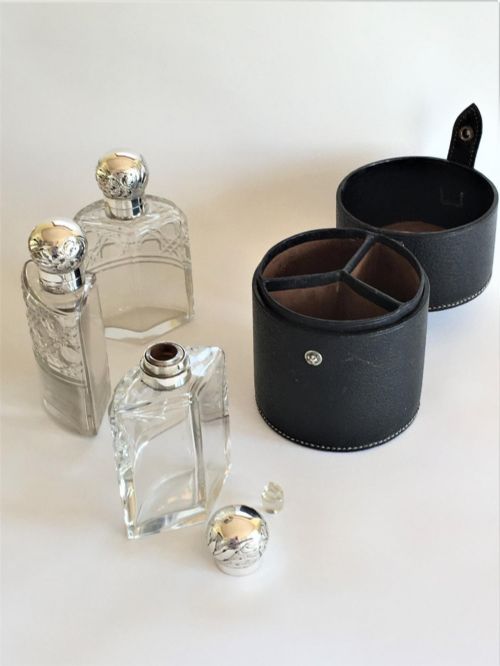
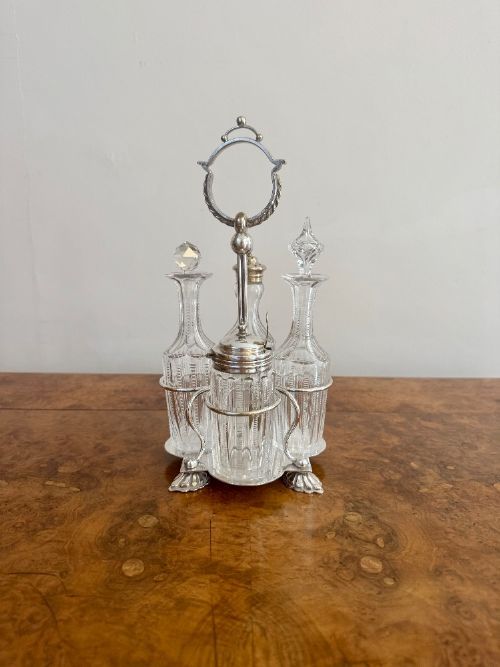
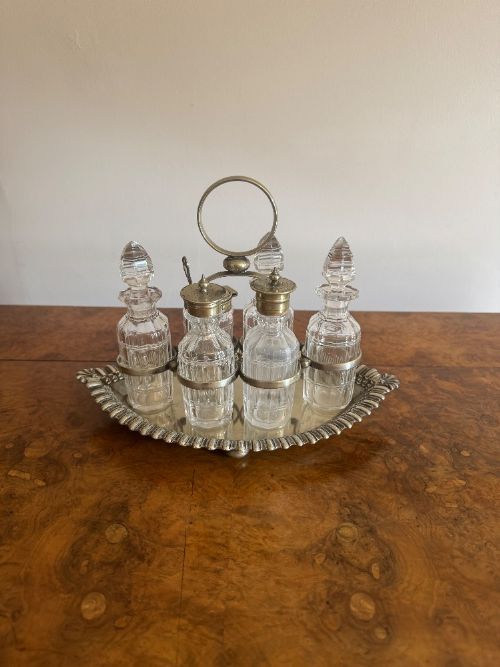
Cruet sets and travelling trios appear alongside single scent bottles mounted in sterling silver or silver plate. Many carry stoppers cut to match the body, maintaining the original silhouette intended by the maker.
Materials and construction
Craftsmen shaped lead crystal and cut glass by hand, wheel-cutting deep geometric patterns that catch the light from every angle. Molten glass was blown into moulds or free-blown before receiving its final polished facets.
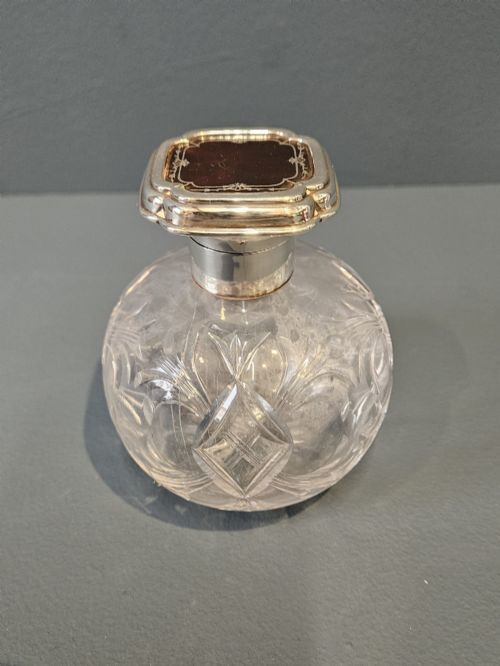
Metal mounts in sterling silver and silver plate were fashioned to fit collars and necks, often bearing hallmarks that record the assay office and year of production. Tortoiseshell, enamel, and satin wood occasionally complement the glass and metal bodies.
Victorian travellers packed entire matching silver-capped cologne trios into velvet-lined cases just to smell nice on bumpy carriage rides.
Assessing quality in cut glass
Quality rests on the crispness of the glass cutting and the clarity of the crystal material itself. Deep, sharp facets with clean edges indicate superior hand-craftsmanship compared to shallow or moulded imitations.
The weight of the piece and the snugness of the matching stopper play a vital role. Hallmarked silver mounts that fit securely without looseness add to the overall integrity of the object.
Harold Bushell & Co·Karl Palda·Henry Perkins
The Vintage Cut Glass Bottle Glossary
- Cut glass
- Glass decorated by grinding facets or patterns into the surface using rotating wheels. This technique creates sharp edges and brilliant light refraction.
- Sterling silver
- An alloy containing ninety-two point five percent silver, frequently used for the collars, tops, and mounts of better bottles. It provides durability and a polished finish.
- Decanter
- A vessel designed to hold and serve wine or spirits, usually fitted with a ground glass stopper. Examples often feature heavy cut crystal bodies.
- Cruet set
- A matched group of bottles or jars held in a silver plated or metal stand, designed for condiments, oils, or vinegars. They were staples of dining tables.
- Silver plate
- A layer of silver fused to a base metal core, commonly used for the frames and hardware of travelling sets and cruets. It offered the look of solid silver at a lower cost.
Vintage Cut Glass Bottle: Frequently Asked Questions
Are stoppers usually original?
Many bottles retain their original matching stoppers, which is important for completeness and value. You can check authenticity by looking at the ground glass mating surfaces for matching wear patterns and numbering.
Replacement stoppers occasionally appear, though finding an exact fit for hand-cut antique necks remains difficult.
How do I date these pieces?
Silver collars and mounts often bear hallmarks that pinpoint the exact year and assay office of production. Stylistic clues like Edwardian proportions or Art Deco geometric cutting also help narrow down the decade.
Glass manufacturing techniques and pontil marks provide additional chronological context when hallmarks are absent.
How should I display them?
Place them near natural light sources, such as a windowsill or inside a glass-fronted cabinet, to maximise the sparkle of the cut facets. Ensure they sit on stable surfaces away from high-traffic edges where tall decanters might tip over.
Grouping cruet sets or perfume bottles together creates an effective focal point on a sideboard or dressing table.