


Antique Chatelaine Scent Bottle
An antique chatelaine scent bottle is a miniature wearable vessel designed to hang from a belt hook, offering a fascinating glimpse into nineteenth-century personal fragrance habits.
Antique Chatelaine Scent Bottle
An antique chatelaine scent bottle combines functional perfumery with wearable jewellery, designed to suspend from a traditional belt clip or chain. When searching for this specific phrase, buyers encounter intricate hanging containers meant to hold fragrant oils or smelling salts during daily carriage rides or social calls.
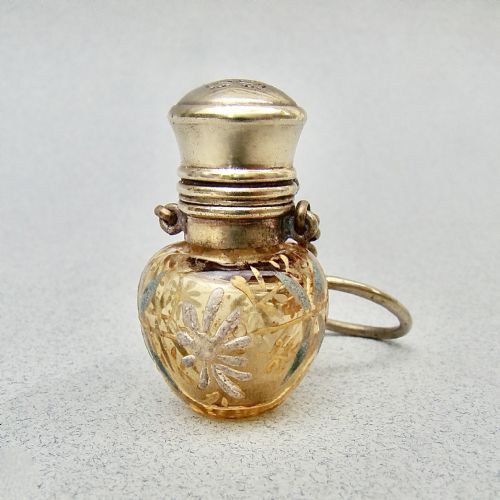
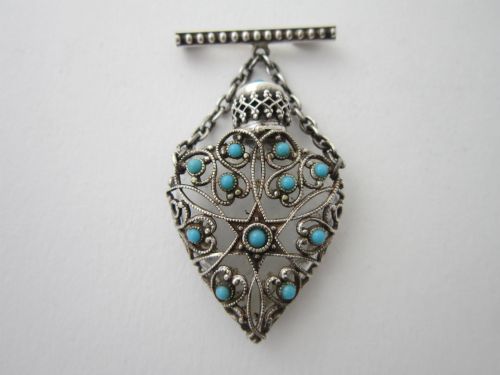
The pieces appearing on this page originate predominantly from the nineteenth century, encompassing Victorian and French 19th Century aesthetics alongside later Art Deco examples. Common forms include hanging perfume flasks, novelty miniature instruments such as a silver violin, and glass vials secured within protective metal cages.
Makers utilised a variety of distinctive glass types, including opaline, cranberry, blue, ruby red, and satin glass, often paired with precious metals. These portable vessels reflect an era when personal scents were kept close at hand for comfort and social etiquette.
How they were made
The construction of an antique chatelaine scent bottle relies heavily on the marriage of blown glass and precious metalwork. Artisans formed the vessels from coloured or cased glass, frequently employing triple overlay techniques or hand-painted enamel details to achieve depth and colour.
What varies in quality
Quality in these wearable perfume flasks rests upon the complexity of the glass production and the precision of the metal mounts. Pieces featuring multi-layered overlay glass, hand-painted enamel, or genuine turquoise and opal embellishments represent a higher tier of craftsmanship than plain glass variants.
The finesse of the silversmithing also dictates the standard of the piece, particularly where novelty shapes or figural repoussé work like cherub decorations are involved. Well-executed hinged lids that seal securely and retain their original gilding or matching chains elevate the desirability of the object.
S. Morden and co·Moser Glass
The Antique Chatelaine Scent Bottle Glossary
- Chatelaine
- A decorative belt hook or clasp worn from the waist with suspended chains holding household items such as keys, scissors, or scent bottles. This accessory served as both a practical utility belt and a display of social status for Victorian women.
- Opaline glass
- An opaque or translucent glass developed in France, known for its soft pastel tones and milky appearance. It provided an ideal pastel backdrop for gilded or enamelled decoration on small perfume flasks.
- Ormolu
- A technique of applying finely ground high-carat gold to an bronze or metal object using a mercury amalgamation process. This treatment yielded a rich, golden finish frequently seen on nineteenth-century French luxury wares.
- Vinaigrette
- A small ornamental box or bottle containing a sponge soaked in aromatic vinegar rather than liquid perfume. These containers typically featured an internal pierced grille through which the pungent odours diffused.
Antique Chatelaine Scent Bottle: Frequently Asked Questions
How did women wear chatelaine scent bottles?
These miniature bottles hung securely from a waist-mounted belt hook via chatelaine chains, allowing the wearer to access personal fragrance instantly while moving about. The design ensured the bottle remained upright and accessible during daily activities.
Such placement kept smelling salts and perfumes within reach to combat faintness caused by restrictive Victorian corsetry. It turned a functional medical necessity into a prominent display of personal adornment.
What is triple overlay glass?
Triple overlay glass involves fusing three distinct layers of coloured glass together into a single parison before shaping the vessel. Craftsmen then cut away portions of the outer layers to reveal contrasting colours underneath.
This labor-intensive technique produced striking geometric or floral patterns with remarkable depth of colour. It remains a hallmark of high-end nineteenth-century glass manufacturing, particularly in French workshops.
How do I date an antique scent bottle?
Dating relies on examining hallmarks stamped on the silver mounts, the manufacturing style of the glass, and the overall aesthetic movement. Victorian pieces often carry clear assay office marks and date letters indicating the exact year of production.
Stylistic shifts also provide reliable clues, transitioning from ornate mid-nineteenth-century repoussé silver and cased glass to streamlined Art Deco forms by nineteen twenty. Comparing the mechanism of the hinged cap and closure style further narrows the period of origin.
Were these bottles used for perfume or smelling salts?
They served both purposes depending on the interior fitting and the personal preference of the Victorian owner. Liquid perfumes required a tight-fitting stopper inside the hinged cap to prevent evaporation.
Bottles that contained vinaigrettes held a small sponge saturated with aromatic vinegars behind a decorative pierced grille. Both contents helped owners cope with unpleasant odours encountered in public spaces.