



Silver Overlay Perfume Bottle
A silver overlay perfume bottle combines precious metal with colourful glass, offering a tangible link to Victorian and Edwardian dressing table traditions.
Silver Overlay Perfume Bottle
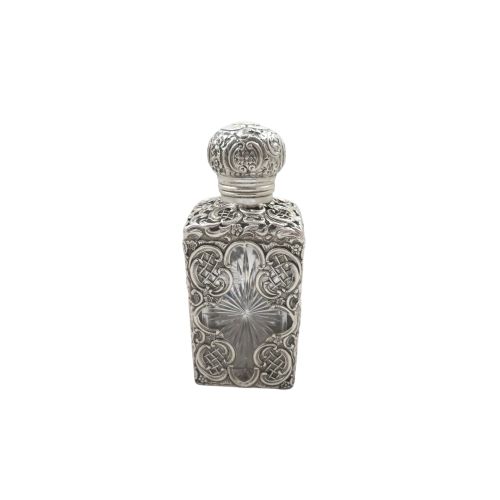
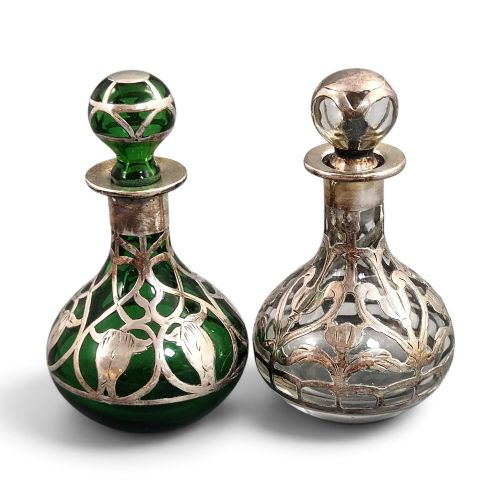
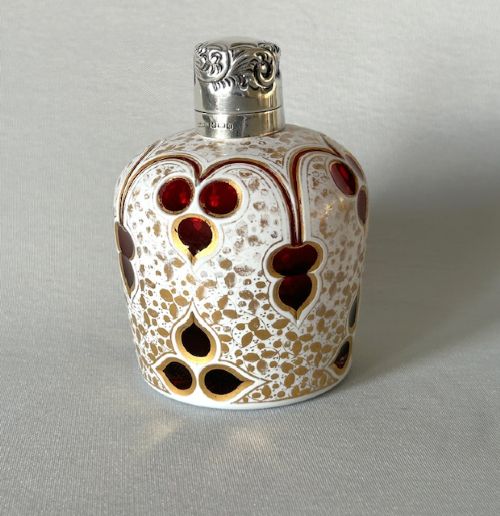
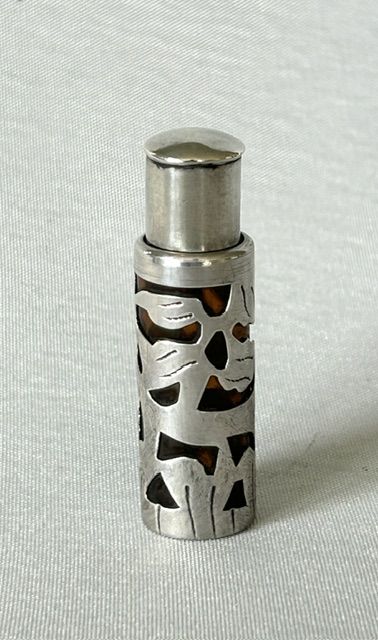
A silver overlay perfume bottle brings together shaped glass and delicate metallic tracery designed to catch the light on a vanity table. Collectors seeking this phrase commonly encounter Victorian and Edwardian examples featuring botanical or abstract metalwork wrapped securely around the body.
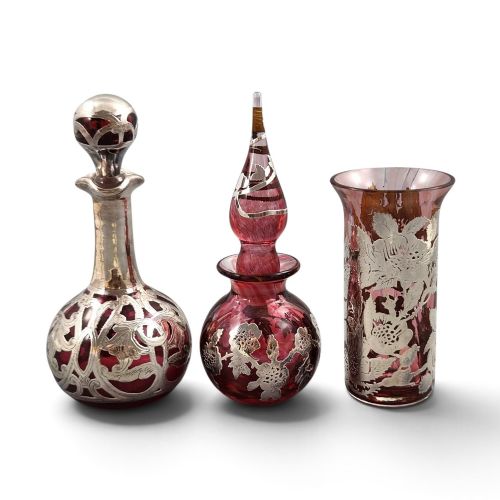
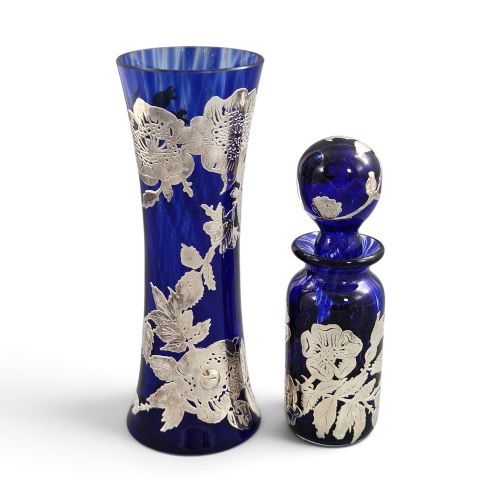
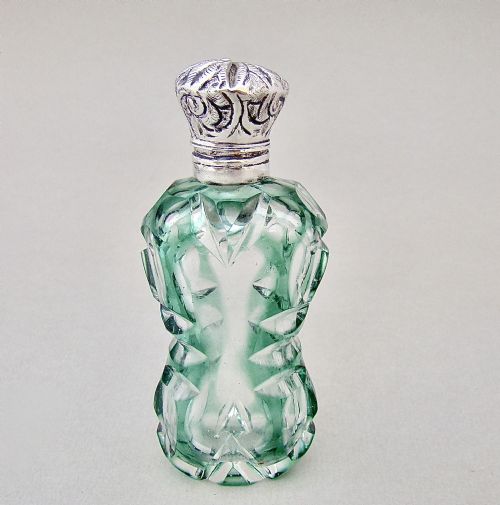
The form appears in various configurations, from small pocket scent bottles to larger dresser examples and chatelaine pieces meant to hang from a belt. Many items pair sterling silver mounts with coloured glass such as ruby, green, cobalt, or amber.
Production spans the nineteenth century into the twentieth century, with continental and English makers creating distinct stylistic lines. Art Nouveau designs appear frequently, alongside French nineteenth-century pieces and later studio glass adaptations.
Materials and construction methods
Goldsmiths and silversmiths utilised sterling silver sheet, cutting intricate openwork patterns that were then applied directly to the exterior of a pre-formed glass vessel. The metal skin was often chemically or mechanically bonded to the smooth or cut glass surface beneath.
Makers shaped the underlying vessel using techniques like cut glass processing, mercury glass production, or multi-layered glass blowing known as overlay. The glass itself frequently displays rich pigmentation in shades of blue, green, and red, which contrasts sharply with the polished silver wrapping.
Listings feature items spanning the Victorian, Edwardian, and nineteenth-century periods, alongside twentieth-century studio glass variations.
Factors defining superior examples
Quality rests upon the delicacy and precision of the silver piercing, where tighter, more complex floral or organic patterns require greater craftsmanship than simple geometric borders. The thickness of the silver sheet and the completeness of the overlay coverage also distinguish finer workshop output.
The integration between the metal skin and the glass body indicates manufacturing standard; superior pieces show no gaps or lifting edges in the silver work. Additionally, the clarity of the underlying cut glass and the presence of a matching original stopper elevate the standing of an individual bottle.
Gorham·Laugharne Glass·Alvin Manufacturing Co
The Silver Overlay Perfume Bottle Glossary
- Silver overlay
- A technique where thin sheets of sterling silver are applied to the exterior of a glass object in decorative patterns. This method became particularly popular during the Victorian and Edwardian periods for vanity items.
- Cut glass
- Glassware shaped and patterned by abrasive wheels, creating faceted surfaces that reflect light. When combined with silver overlay, the facets peek through the openwork metal.
- Chatelaine
- A decorative belt hook worn with a series of suspended chains carrying utilitarian items like scent bottles and keys. These portable pieces allowed owners to carry fragrance safely.
- Mercury glass
- A double-walled blown glass type featuring a silvered liquid lining sealed inside, creating a mirror-like finish. It frequently serves as the base material for nineteenth-century overlay work.
- Ruby glass
- Deep red glassware produced by adding gold compounds to the molten batch. The dark hue provides a dramatic background for bright sterling silver decoration.
Silver Overlay Perfume Bottle: Frequently Asked Questions
What is a silver overlay perfume bottle?
These pieces consist of a glass perfume vessel encased in a decorative pierced skin of sterling silver. The metalwork was applied to protect the glass and provide an ornate appearance.
They gained popularity during the Victorian and Edwardian eras, serving as functional accessories for dressing tables and reticules.
How do I clean the silver without damaging the glass?
Use a soft, dry microfibre cloth to gently polish the accessible silver areas without applying harsh commercial dips. Liquid cleaners can seep beneath the metal overlay and stain or degrade the glass surface.
Take care around glued joins or delicate glass edges while wiping the exterior. A soft brush helps remove dust from tight pierced metal sections.
How can I tell a Victorian bottle from a later one?
Victorian examples often feature heavier cut glass bases combined with dense floral or foliate silver work, frequently carrying hallmarks from the late nineteenth century. Art Nouveau interpretations from around nineteen hundred introduce more fluid, sinuous plant motifs.
Twentieth-century or later studio pieces generally exhibit cleaner modern glass forms paired with crisper, machine-assisted silver application techniques.
Were these bottles meant for travel?
Many smaller versions and chatelaine pieces were constructed for portable use, featuring secure screw caps or tight stoppers to prevent leaks in reticules. Larger vanity bottles remained stationary on dressing tables as part of matching dresser sets.
The added silver layer provided structural reinforcement, making them slightly more durable for daily handling than plain glass.