


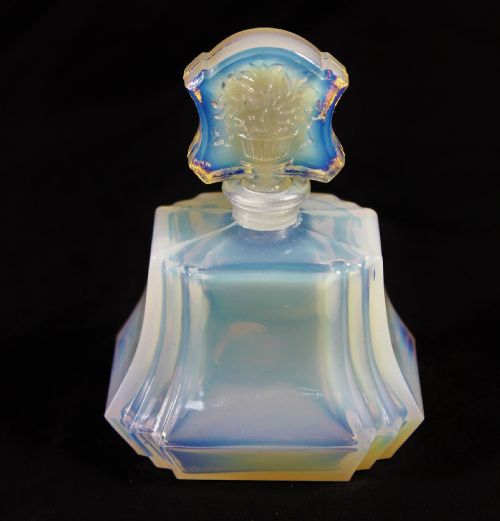

Antique French Glass Flacon
An antique french glass flacon holds centuries of scent craftsmanship, offering collectors tactile pieces of history designed for dressing tables.
Antique French Glass Flacon
An antique french glass flacon is a decorative vessel intended for holding perfume or scent, taking forms such as scent bottles and perfume bottles. These items emerge from periods ranging from the early nineteenth century through to the Art Deco era.
The pieces on this page span diverse stylistic movements including French Second Empire, French Restoration, French Victorian, Art Nouveau and Art Deco. Buyers frequently encounter nineteenth century examples alongside distinctive twentieth century creations.
Origins trace directly to French workshops and master makers who utilised specialised glassmaking techniques. Each flacon serves as both a functional container and an ornamental desktop object.
Materials and construction methods
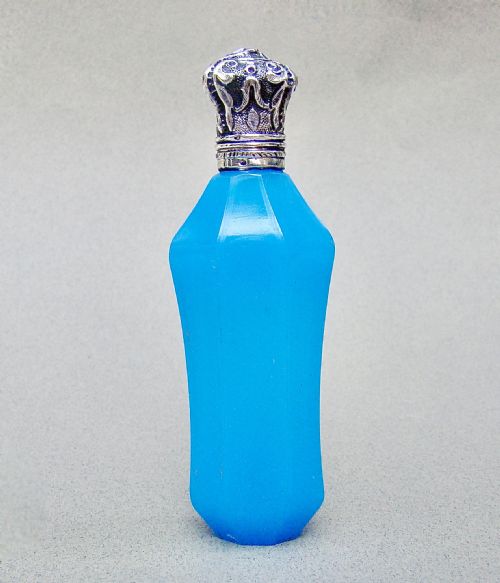
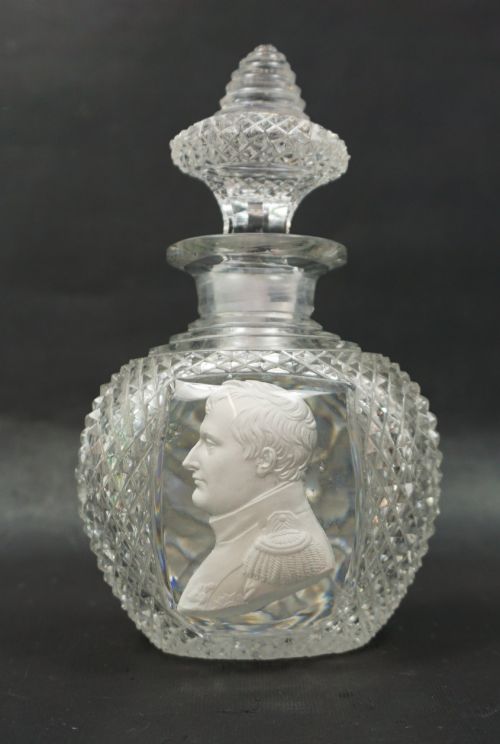
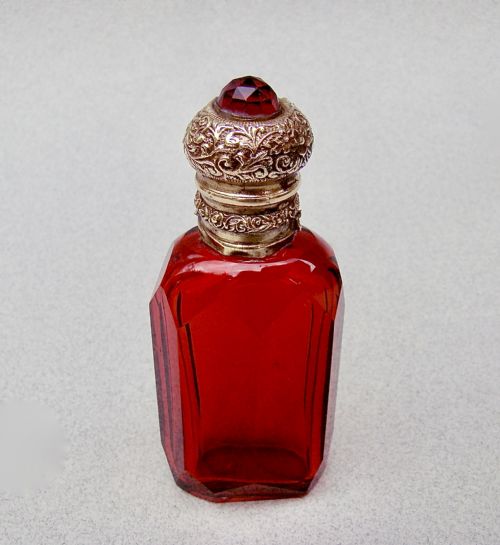
Makers utilised varied glass types including opalescent glass, opaline glass, frosted glass, pressed glass, blue stained glass, ruby glass, cranberry glass, lead crystal and cased silver and blue overlay glass. These glass bodies often received surface decoration through gilding or sulphide portraits.
Metal mounts in silver and ormolu provide secure collars, hinges and caps for the glass vessels. Master craftsmen integrated these metal elements to complement the specific colour and opacity of each flacon.
Listings feature pieces spanning the Victorian period through to Art Deco, incorporating materials such as lead crystal, opaline glass and silver mounts.
Assessing quality in flacons
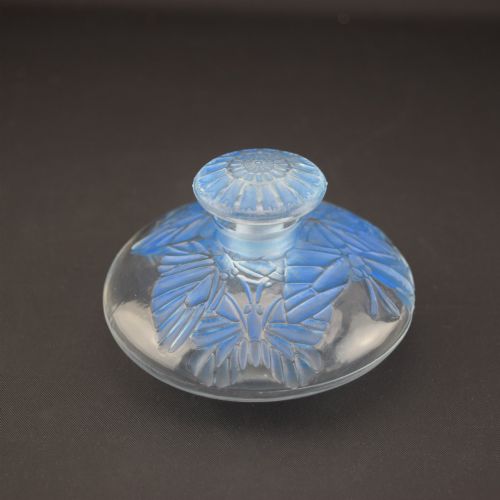
Quality rests upon the clarity and depth of the glass, whether opalescent, cased, or crystal, combined with the precision of any moulded relief work. Superior pieces display crisp details in designs such as butterflies or portrait sulphides.
The integration of metalwork distinguishes finer examples, where silver or ormolu mounts fit the contours of the glass perfectly. Maker attribution also elevates a piece, with recognised glassworks achieving distinct refinement in finish and form.
Rene Lalique·Sabino
The Antique French Glass Flacon Glossary
- Opalescent glass
- Glass that diffuses light with a milky or translucent appearance, often showing blue or amber tones at the edges. This effect was favoured by twentieth century makers to highlight moulded reliefs.
- Sulphide
- A small white cameo plaque, usually made of ceramic paste, embedded within clear crystal. These plaques frequently depict historical figures or portraits.
- Ormolu
- Gilded bronze used for decorative mounts and hardware on nineteenth century vessels. It provides a rich gold tone against coloured glass.
- Cased glass
- Glass formed of two or more distinct layers of different colours fused together. Artisans then cut through the outer layer to reveal the contrasting colour underneath.
- Opaline glass
- An opaque or semi-translucent glass developed in France during the nineteenth century, typically produced in soft pastel hues.
Antique French Glass Flacon: Frequently Asked Questions
How do I identify an Art Deco flacon?
Art Deco flacons typically date from the nineteen twenties and thirties, featuring geometric motifs or stylised natural forms like butterflies. Makers from this period often utilised opalescent or frosted glass.
Look for moulded signatures or marks associated with French houses from these decades to confirm the period.
What is the difference between opaline and opalescent glass?
Opaline glass is an opaque or semi-translucent material developed earlier in the nineteenth century, often found in solid pastel colours on dressing tables. Opalescent glass diffuses light and changes tone depending on the angle, a property utilised in later moulded pieces.
Both materials appear in French scent bottles but originate from distinct technological traditions.
Were these bottles meant to be carried?
Many nineteenth century flacons featured secure silver or metal mounts designed for travel within fitted dressing cases. Others were strictly intended for static display on dressing tables.
The presence of heavy ormolu mounts and delicate glass overhangs usually indicates a stationary tabletop piece.
How should I clean my glass flacon?
Dust gently with a soft, dry cloth to protect fragile silver mounts and gilded surfaces. Avoid submerging antique pieces with metal collars or internal sulphide plaques in water.
Professional care is recommended if residue remains trapped inside the narrow neck of the vessel.