




Engraved Silver Perfume Bottle
These engraved silver perfume bottle pieces are miniature receptacles of precious metal and glass that bring tactile elegance to dressing tables.
Engraved Silver Perfume Bottle
When you search for an engraved silver perfume bottle, you encounter a range of scent containers spanning from the seventeenth century through the Georgian, Victorian, and Edwardian eras. These objects take the form of individual flasks, double-ended vessels, vinaigrettes, and complete dressing case fittings.
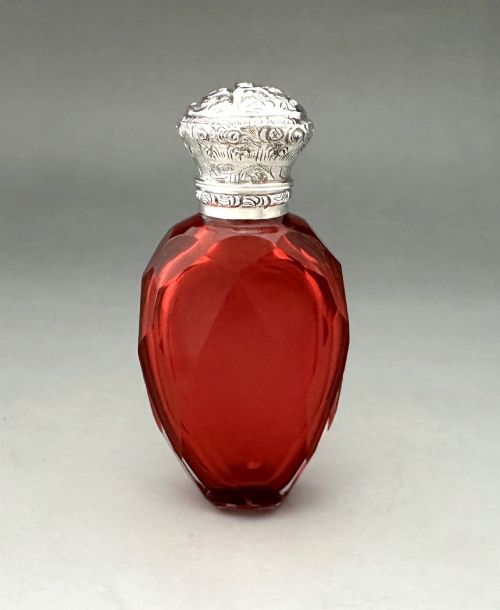
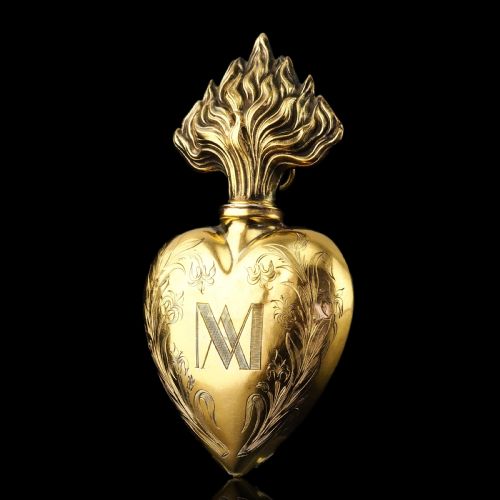
Victorian examples dominate the selection, frequently pairing engraved silver caps or casings with coloured glass bodies such as ruby and amethyst. You also find novelty shapes, including miniature Dutch silver violins and heart-shaped French flasks alongside English sterling pieces.
How they were made
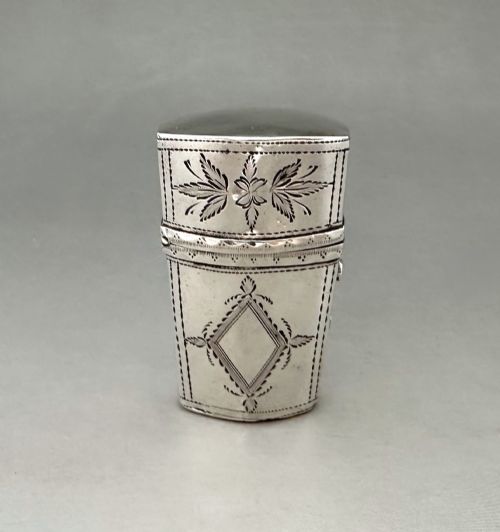
Silversmiths utilised sterling silver and silver gilt, often shaping collars, caps, and full outer cases to encase blown and moulded vessels. Glassmakers produced cut crystal, cut glass, and ruby or amethyst glass bodies to hold the liquid contents.
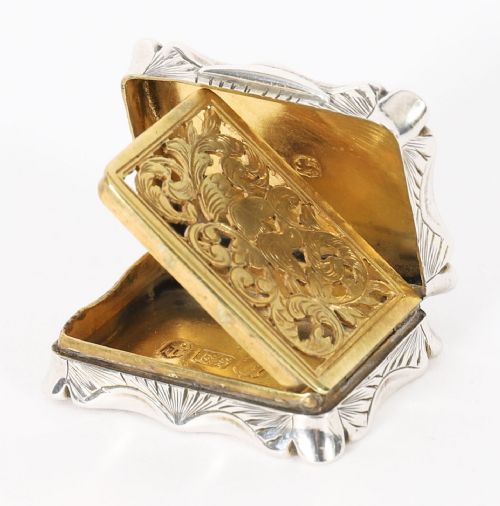
Craftsmen applied surface decoration through hand engraving, etching, and guilloche enamel work on lids. Internal components included stoppers and gilt metal grilles for vinaigrettes.
One tiny nineteenth-century Dutch silver bottle takes the exact physical form of a miniature violin, complete with engraved strings.
What varies in quality
The standard of an engraved silver perfume bottle rests upon the crispness of the chased or engraved motifs on the metal and the weight of the silver used. Finer pieces display deep, detailed hand-cutting rather than shallow machine stamping.
The quality of the companion glass body further distinguishes the piece, with heavy facet-cut crystal and rich coloured glass indicating superior manufacture. Complete sets retain original glass stoppers and inner fitments intact within leather or coromandel cases.
Horton & Allday·Edward Smith·Asprey·S. Morden & co
The Engraved Silver Perfume Bottle Glossary
- Vinaigrette
- A small ornamental box or bottle with an internal perforated grille, used to hold a sponge soaked in aromatic vinegar. These date predominantly from the Georgian and Victorian periods.
- Silver Gilt
- Silver that has been coated with a thin layer of gold on its surface. This technique provides a rich warm tone and protects the underlying silver from tarnishing.
- Guilloche Enamel
- A decorative technique where a precise pattern is mechanically engraved beneath a translucent layer of enamel. This creates a reflective, shimmering surface texture.
- Double Ended Scent Bottle
- A vessel featuring two separate compartments accessed from opposite ends, allowing the owner to carry two different fragrances simultaneously. They frequently incorporate faceted glass and hinged silver caps.
Engraved Silver Perfume Bottle: Frequently Asked Questions
What is a double ended scent bottle?
A double ended scent bottle is a symmetrical glass or crystal vessel with a hinged silver cap at each end. This design allowed ladies to carry two distinct perfumes in one compact item.
They appear frequently in nineteenth-century designs, often paired with ruby or coloured glass bodies and finely engraved metalwork.
How do I date an antique silver perfume bottle?
Dating relies heavily upon hallmarks stamped into the silver collars or caps, which indicate the assay office, standard of metal, and year of manufacture. Stylistic clues such as Victorian ruby glass or Georgian casing shapes also help establish the era.
Makers' marks provide further confirmation when attributed to known silversmiths registered during specific periods.
Were these bottles used for perfume?
These vessels were designed to hold liquid perfumes, volatile oils, or aromatic salts for personal refreshment. The tight-fitting silver caps and internal glass stoppers prevented evaporation.
Some variants, known as vinaigrettes, held pungent vinegars rather than floral scents to revive the user.
How should I display a collection?
Displaying these miniature bottles involves placing them securely on mirrored trays or within glass cabinets where light can pass through the cut crystal and coloured glass. Ensuring stable surfaces protects the delicate hinged caps from accidental knocks.
Keeping them away from direct sunlight preserves any internal residues and protects original velvet or leather presentation cases.