




Collectable French Glassware
These collectable french glassware pieces span the Art Nouveau and Art Deco periods, bringing sculptural form and opalescent colour to interior schemes.

Collectable French Glassware
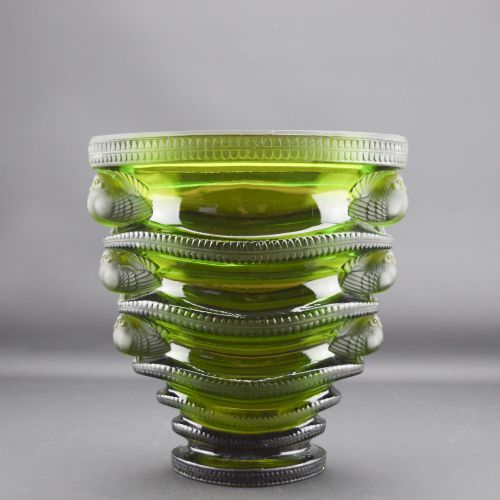
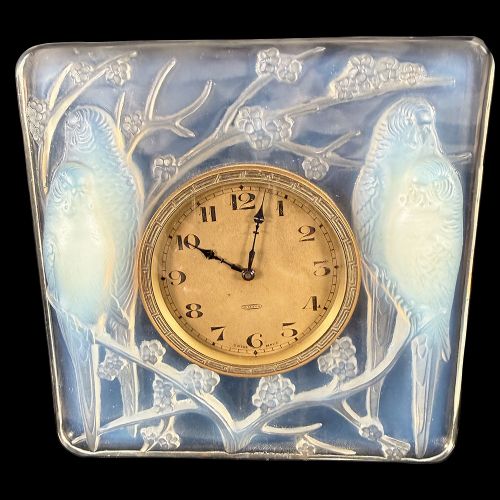
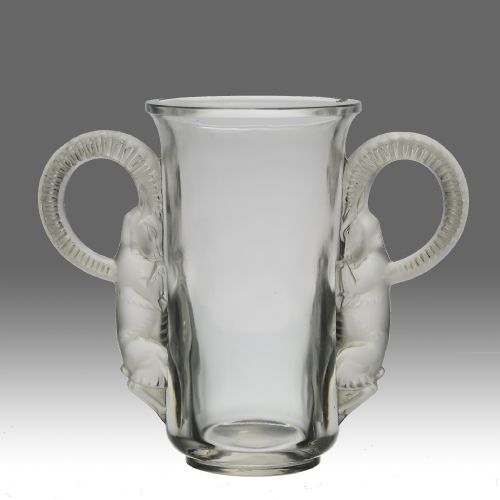
When you search for collectable french glassware, you encounter decorative objects from the early twentieth century, spanning the Art Nouveau and Art Deco periods. These pieces include vases, plates, clocks, candlesticks, bowls, shot glasses, perfume bottles, and decanters.
The selections you meet most frequently on this page originate from the nineteen-twenties and nineteen-thirties, manifesting the clean geometries and moulded reliefs characteristic of Art Deco design.
Objects range from large opalescent bowls and named vases to intimate perfume bottles and shot glasses, showing the diverse domestic applications of French glass production during these decades.
What varies in quality
The distinction between pieces rests upon the crispness of the moulded relief and the depth of the opalescent effect within the glass. Superior examples display sharp definition in intricate motifs such as flora, fauna, and human figurines.
Design complexity and the integration of colour or frosting separate standard production wares from masterworks. The handling of light through clear or opalescent sections determines the visual impact of each vase, bowl, or plate.
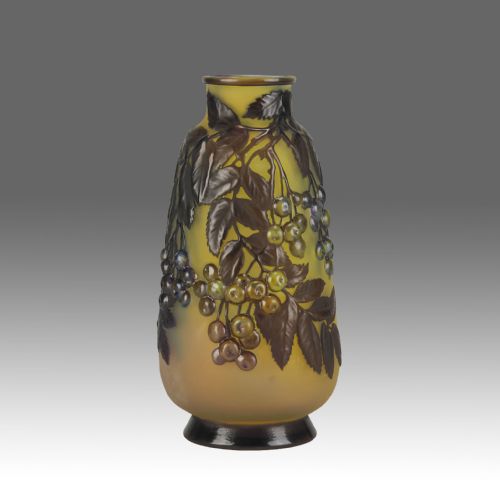
Materials recorded across the inventory include opalescent glass, frosted glass, cameo glass, and occasional metal elements.
Rene Lalique·Gallé
The Collectable French Glassware Glossary
- Opalescent Glass
- Glass that diffuses light to display a milky or bluish luminescence, often catching highlights on raised moulded surfaces. This effect gives vessels like bowls and vases a shifting, multi-toned appearance.
- Moulded Glass
- Glass formed by pressing molten material into a prepared matrix to create raised patterns and figures. This technique allowed makers to produce consistent sculptural details across decorative objects.
- Cameo Glass
- Glass vessels created by fusing multiple layers of different coloured glass before carving or acid-etching the exterior layer to reveal the design. It is a demanding method seen in early twentieth century works.
- Frosted Glass
- Glass treated to achieve a textured, matte surface that diffuses light rather than reflecting it clearly. Makers applied this finish to accentuate contours on figurative and botanical designs.
- Art Deco
- A design style dominant in the nineteen-twenties and nineteen-thirties characterised by stylised motifs, symmetry, and geometric precision. It defines the majority of the vases, clocks, and plates in these listings.
Collectable French Glassware: Frequently Asked Questions
What is opalescent glass?
Opalescent glass contains chemical additives that cause it to scatter light, creating a milky blue or white appearance across raised surfaces. This optical quality shifts depending on the angle of illumination and the background.
In these pieces, the effect highlights moulded details such as fish, leaves, and abstract patterns, giving depth to bowls and vases.
How do I date these glass pieces?
Dating relies on stylistic markers from the Art Nouveau and Art Deco periods, alongside specific manufacturing signatures. The listings span the early decades of the twentieth century, from nineteen hundred through the nineteen-thirties.
Forms change from the organic, flowing lines of early century cameo glass to the geometric relief work typical of later decades.
Where were these glass items made?
These decorative objects originate from French workshops and glassworks operating during the early twentieth century. Makers in France led international developments in moulded and artistic glassware during this era.
The pieces reflect the prominent design movements centred in France at the time.
How should I display opalescent vases?
Opalescent and frosted glass responds best to directional lighting that passes through the body of the vessel. Placing pieces near natural light sources allows the shifting colours within the glass to become visible.
Ensure stable placement on flat surfaces away from edges, as many forms feature delicate moulded rims and figural bases.