
Antique Opalescent Glass
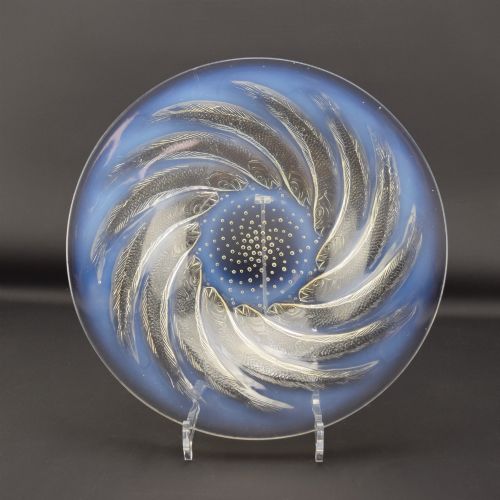
Antique opalescent glass encompasses glowing vessels, lamps and figures that catch the light with milky blue and amber tones.

Antique Opalescent Glass
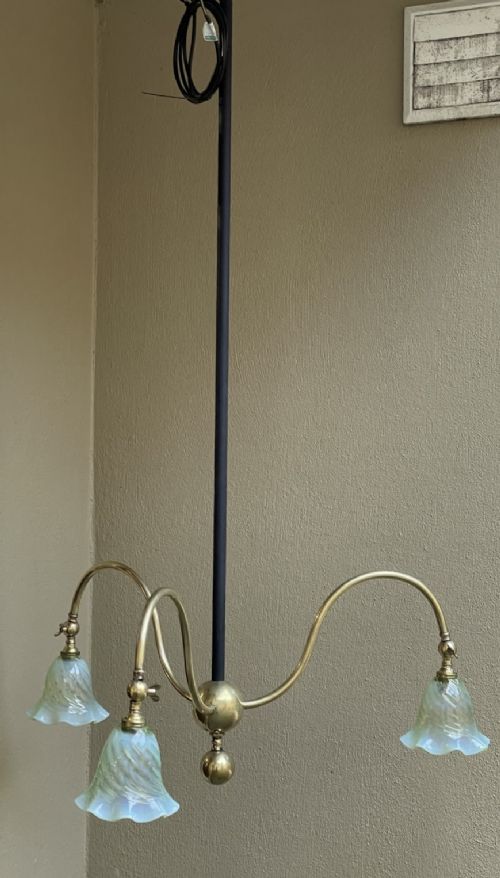
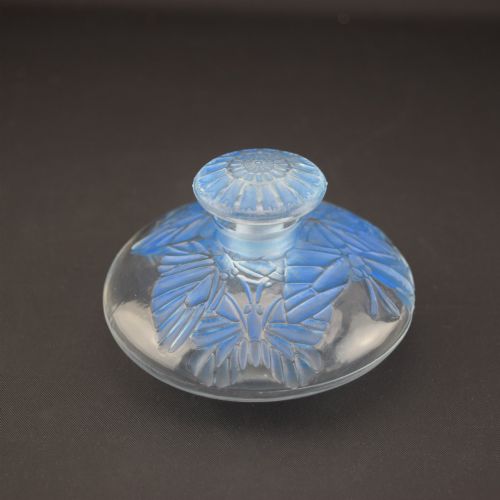
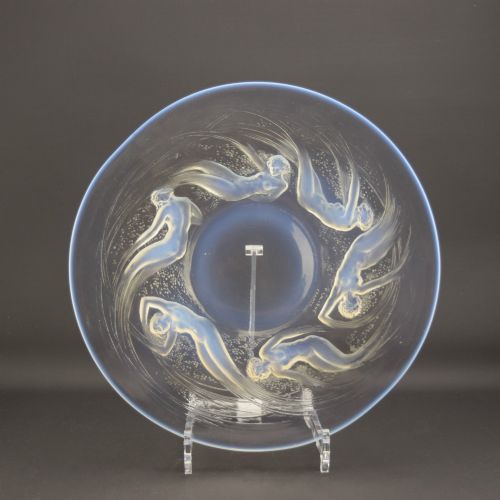
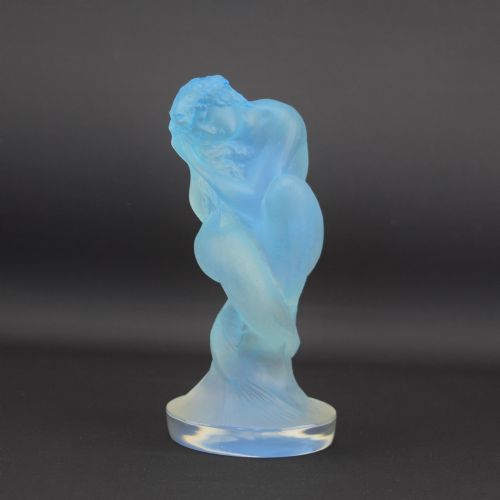
When you search for antique opalescent glass, you encounter pieces designed to refract light through chemical agents mixed into the molten batch, creating characteristic milky or fiery blue highlights along ridges and rims. The selection spans delicate perfume bottles and car mascots to heavy architectural ceiling lights and large decorative bowls.
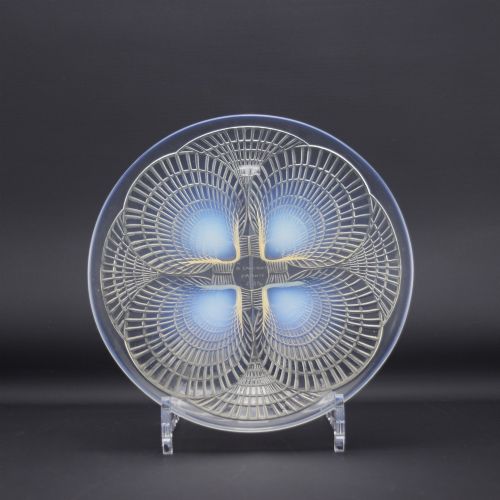
The most common versions on this page originate from the early twentieth century and the Art Deco period, alongside Victorian vaseline glass and French pressed tableware. Makers ranged from individual glassworks to large industrial studios.
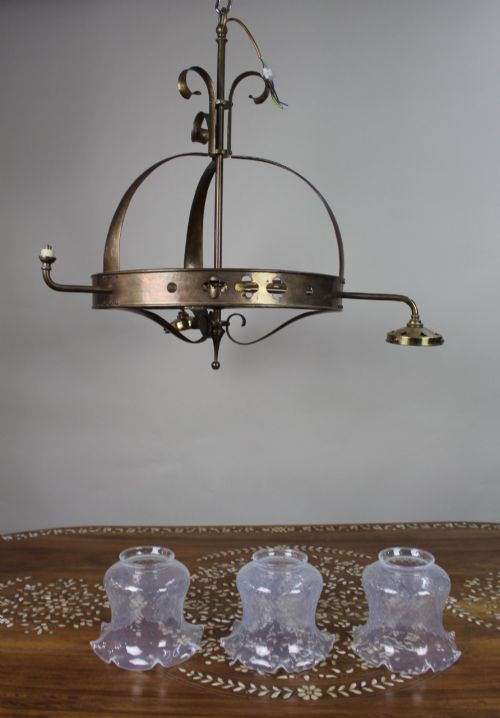
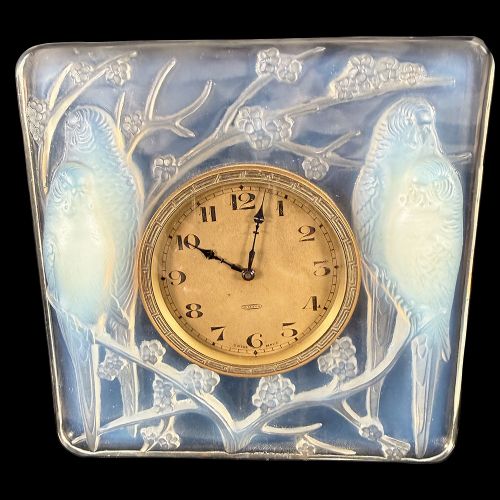
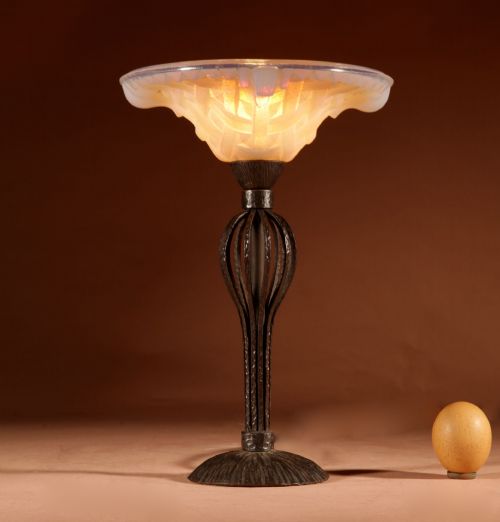
Forms include vases, plates, clocks and lighting fixtures paired with brass, copper or wrought iron mounts, reflecting styles from Art Nouveau and Arts and Crafts to Gothic Revival.
How they were made
Glassmakers created the opalescent effect by adding bone ash, arsenic or other agents to the batch, which partially crystallized as the glass cooled to scatter light. Pieces were then hand blown into moulds, pressed mechanically, or shaped using cameo techniques.
Metal components such as brass, white metal and wrought iron were cast, forged or beaten to hold the glass shades, bowls and figurines in lighting fixtures and furniture.
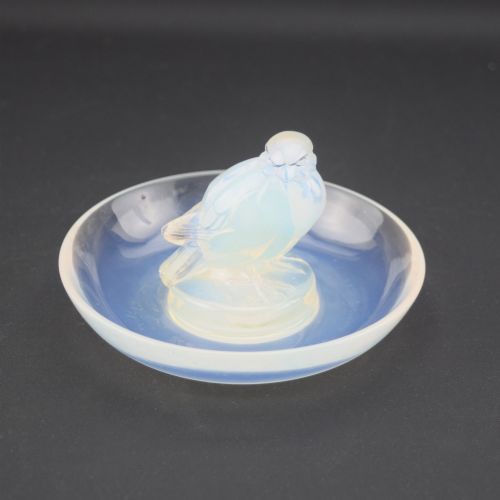
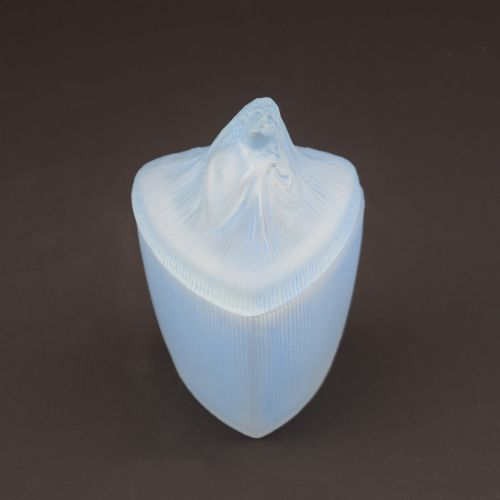
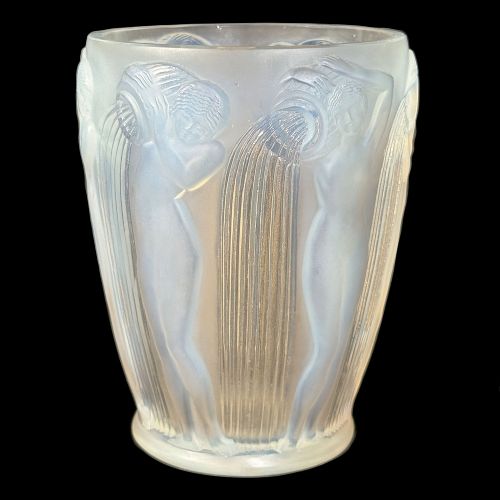
Several glass pieces incorporate love birds, water carriers and beetles into their functional designs.
What varies in quality
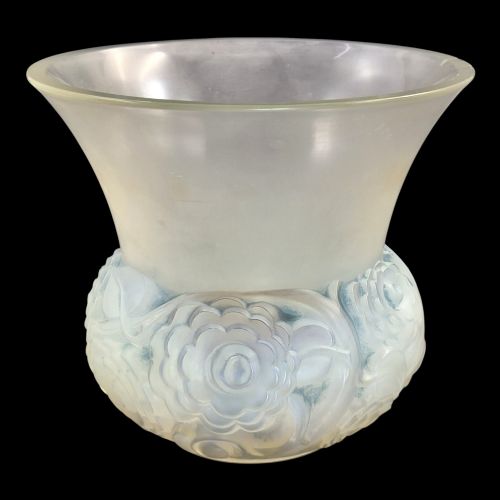
Quality rests in the crispness of the moulded relief and the depth of the milky fire within the glass, where finer pieces display sharp detail against translucent fields. The harmony between the glass element and its metal mount, whether brass or wrought iron, also dictates the standard of the work.
Rene Lalique·Etling·Galle·Salviati
The Antique Opalescent Glass Glossary
- Opalescent glass
- Glass containing agents that cause light scattering, producing a milky blue or amber glow on raised surfaces. This optical effect distinguishes the category.
- Vaseline glass
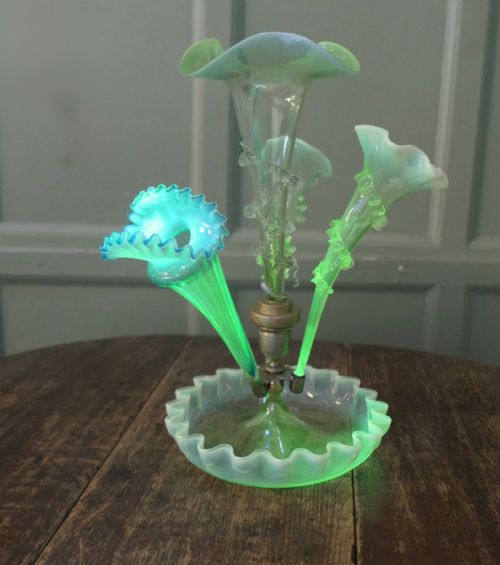
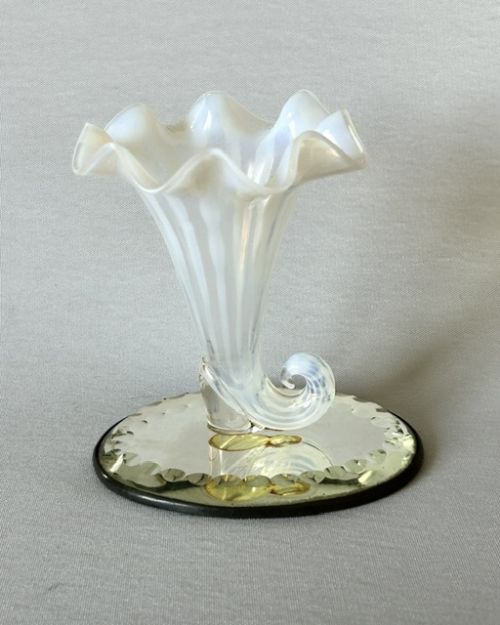
- A transparent or translucent yellow-green glass containing uranium dioxide that glows under ultraviolet light. Victorian examples often take the form of cornucopia vases and scent bottles.
- Pressed glass
- Molten glass shaped by being pressed into a metal mould with a plunger. This technique allowed for repeatable, intricate patterns on bowls and plates.
- Epergne
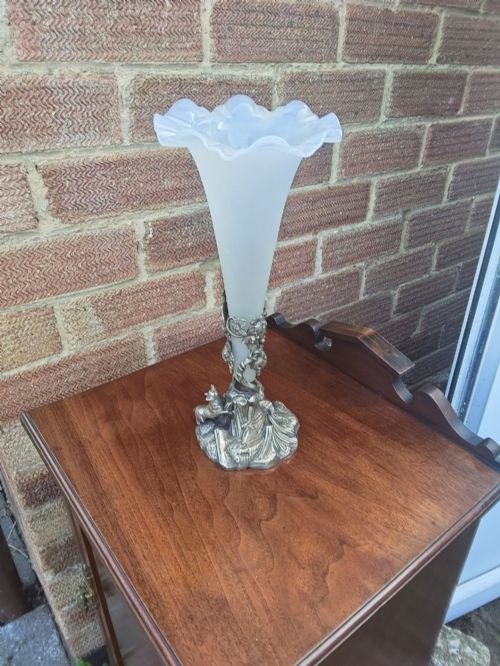
- A central table ornament featuring multiple trumpets or vases branching from a single base. These frequently combine coloured glass with metal frames.
Antique Opalescent Glass: Frequently Asked Questions
How do I clean antique opalescent glass?
Wash the glass gently in warm, soapy water using a soft cloth, avoiding harsh abrasives that might scratch the surface. Dry it thoroughly with a lint-free towel to maintain the natural sheen of the material.
Keep metal mounts dry and dust them with a soft brush rather than using liquid polishes that could stain the adjacent glass components.
How can I tell Art Deco opalescent glass from Victorian pieces?
Art Deco pieces generally feature geometric motifs, stylized flora or figures and date from the 1920s and 1930s. They often display crisper moulding and cooler, milky blue tones.
Victorian items, including vaseline glass and epergnes from the nineteenth century, tend to show warmer yellow or green hues with ruffled rims and applied trailing.
Can I use antique opalescent glass lighting in a modern home?
Many ceiling lights, pendant shades and table lamps are wired with standard fittings suitable for contemporary electrical systems. An electrician can check the existing brass or iron fixtures to ensure they meet current safety standards.
Use low-heat LED bulbs to protect the antique glass from thermal stress over extended periods of illumination.
What is the difference between frosted glass and opalescent glass?
Frosted glass has an etched or acid-treated surface that diffuses light uniformly across the entire pane. It lacks the internal chemical crystallization found in opalescent glass.
Opalescent glass relies on optical dispersion within the material itself, creating a characteristic shift between translucent milky blue highlights and amber shadows.