



Art Deco Decorative Glass
Art deco decorative glass brings geometric flair and rich colour into a room, combining the crisp lines of the period with tactile, moulded surfaces.

Art Deco Decorative Glass
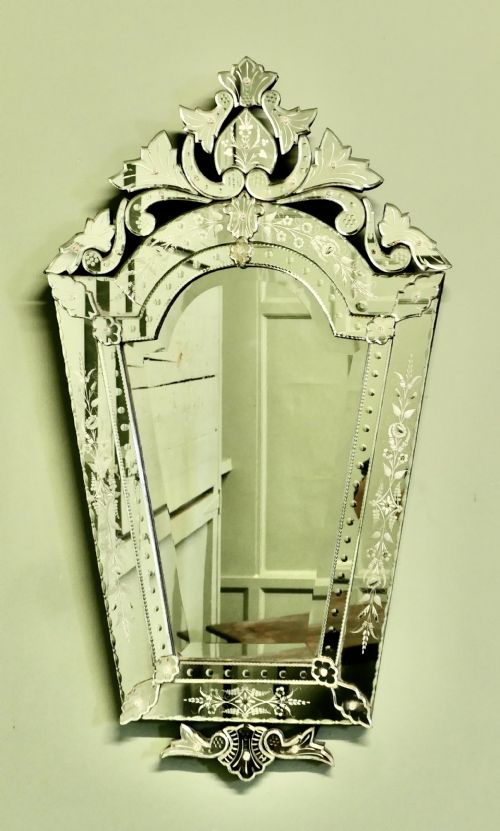
Art deco decorative glass spans practical vessels and striking wall ornaments, with vases, bowls, mirrors, and lamps dominating the selection. Pieces appear from the 1920s and 1930s, alongside French, English, and Belgian examples that reflect the distinct design movements of the interwar years.
Materials and Technique
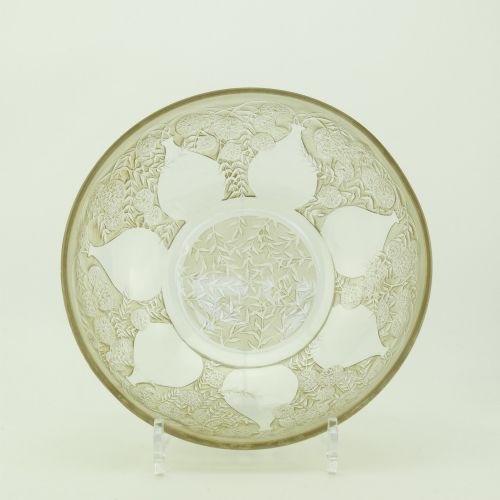
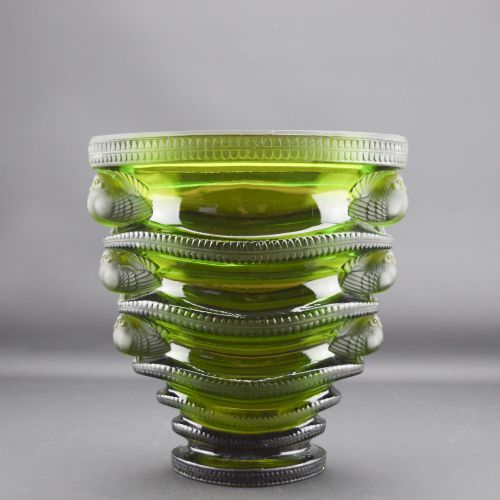
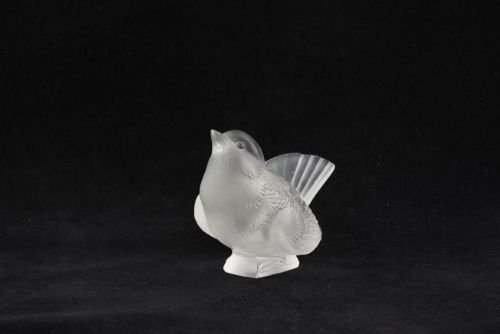
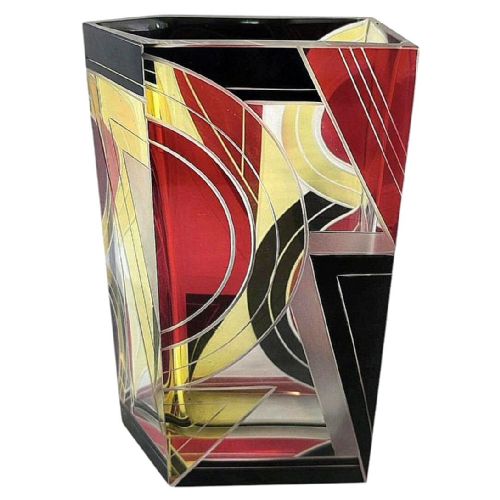
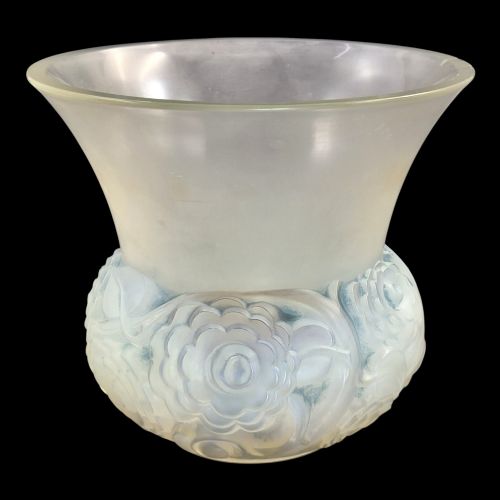
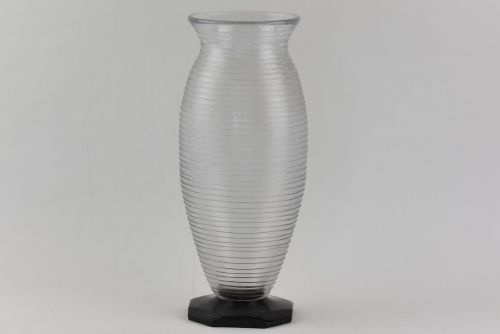
Makers utilised moulded, frosted, and clear glass, frequently incorporating opalescent effects that shift in tone depending on the light. Acid etching, enamel decoration, and staining were applied to highlight relief patterns on vases, plates, and bowls.
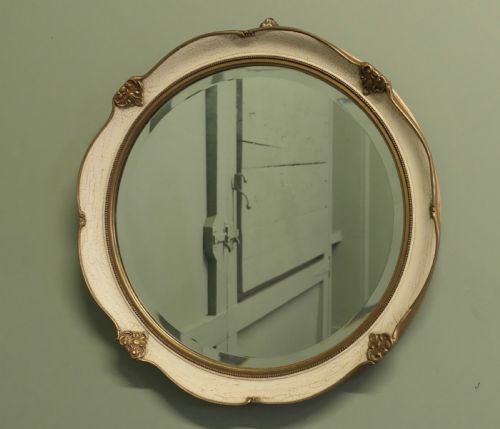
Frames and mounts combine glass with wood, brass, enamel, and gilt, while mirrors employ bevelled glass plates set within geometric or sunburst borders.
Listings feature items spanning from Victorian and Art Nouveau periods through to 1950s Scandinavian Modern design, alongside the dominant 1920s and 1930s Art Deco output.
Defining Quality
The distinction between ordinary and exceptional pieces lies in the depth of the relief moulding and the subtlety of the glass finish. Opalescent qualities that create distinct shifts in colour denote higher execution.
Design attribution to known makers or documented factories elevates a piece, as does the crispness of etched details and the integration of metal or enamel work.
Rene Lalique·Daum·Karl Palda·Thomas Webb and Sons·Val St Lambert·Monart·Wedgwood
The Art Deco Decorative Glass Glossary
- Opalescent glass
- Glass that displays a milky, translucent quality with blue or amber highlights when struck by light. This effect is achieved through chemical additives during the melting process.
- Slip-shade
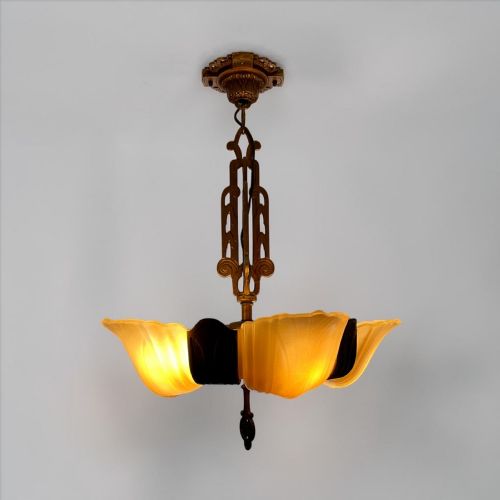
- A glass shade held in place by a metal frame, common in ceiling lights and wall sconces of the period. These shades were typically moulded with geometric or floral relief.
- Cameo glass
- Glass formed with multiple layers of different colours, carved away to create a raised design against a contrasting background. It requires considerable skill to execute without damaging the base layer.
- Enamel decoration
- The application of coloured vitreous glass paste onto the surface of a vessel before firing. This technique adds opaque blocks of colour or fine linear patterns.
- Moulded glass
- Glass shaped by being pressed into a metal or wooden form while hot. The method allowed for the mass production of complex decorative reliefs.
Art Deco Decorative Glass: Frequently Asked Questions
How do I identify genuine art deco glass?
Examine the weight, the crispness of the moulded relief, and the surface finish. Pieces from the interwar period often feature characteristic opalescence, frosted textures, or acid-etched signatures.
Look closely at the underside or rim for factory marks, engraved signatures, or mould numbers. Stylistic cues such as strict symmetry, sunbursts, and stylized fauna also point toward the period.
Were these glass pieces used daily?
Many items, including plates, bowls, and vases, served functional purposes in contemporary homes alongside their decorative roles. Sturdier moulded vessels handled regular use, while delicate opalescent pieces were treated as display items.
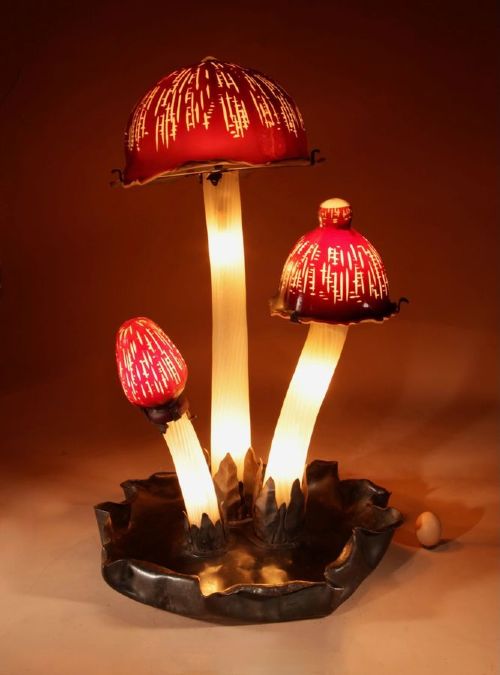
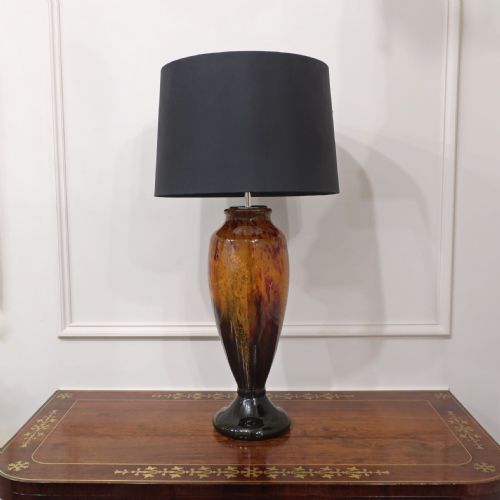
Lamps and ceiling lights provided functional illumination while acting as sculptural centrepieces. Mirrors served practical dressing and overmantle functions while reflecting light around the room.
How should I clean antique glass?
Wash pieces gently in lukewarm water using a mild, non-abrasive detergent. Avoid harsh scrubbing brushes or abrasive cloths that can scratch frosted or enamelled surfaces.
Dry the glass immediately with a soft, lint-free cloth to prevent water spots. Take extra care with pieces that feature metal mounts, wooden backing, or delicate enamel decoration.
Can I safely rewire vintage lamps?
Vintage lamps and ceiling lights often require modern wiring to meet current safety standards. A qualified electrician can replace old cords and lamp holders while preserving the original glass and metal components.
Check whether the metal fittings unscrew easily to allow access to the interior wiring channel. Retaining original metalwork helps maintain the integrity of the piece.