

Art Deco Vase
Discovering an art deco vase brings home the bold geometric lines and vibrant enamels of the interwar years.
Art Deco Vase
An art deco vase represents the definitive stylistic shift of the 1920s and 1930s, moving away from organic curves toward symmetry, abstraction, and striking silhouettes. Buyers searching this phrase encounter vessels created during a period of immense industrial and artistic experimentation.
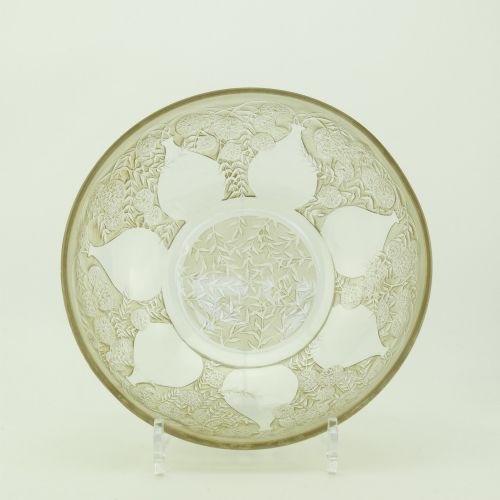
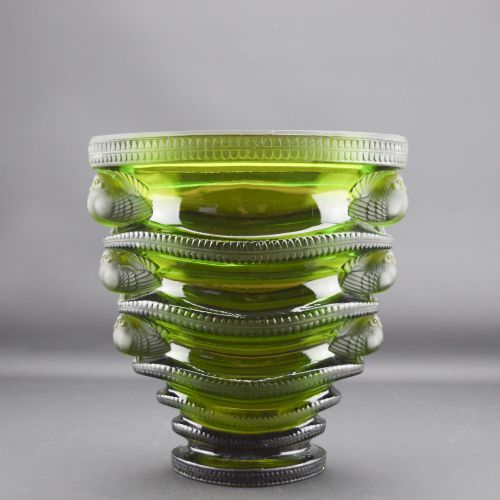
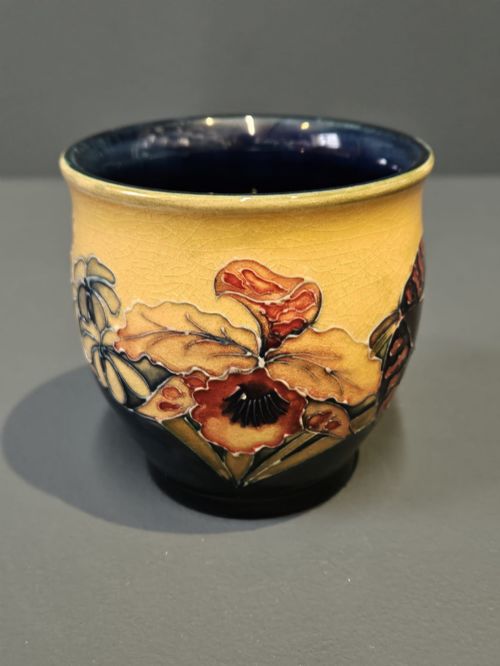
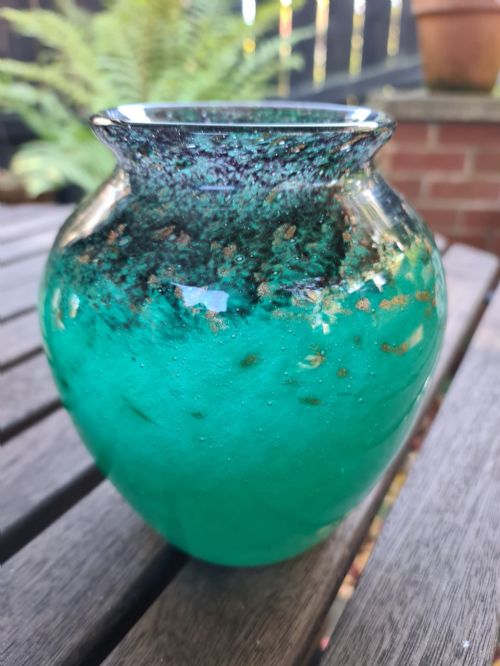
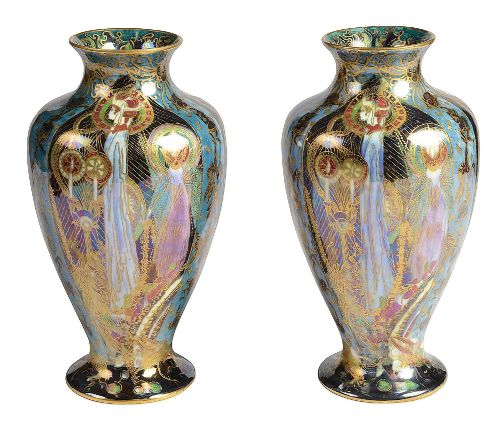
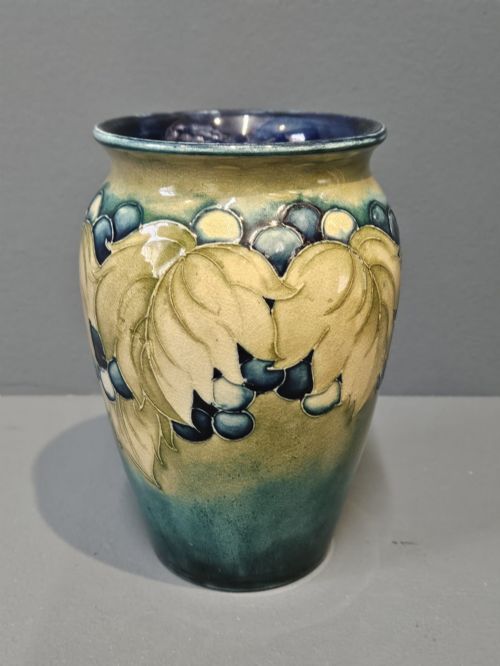
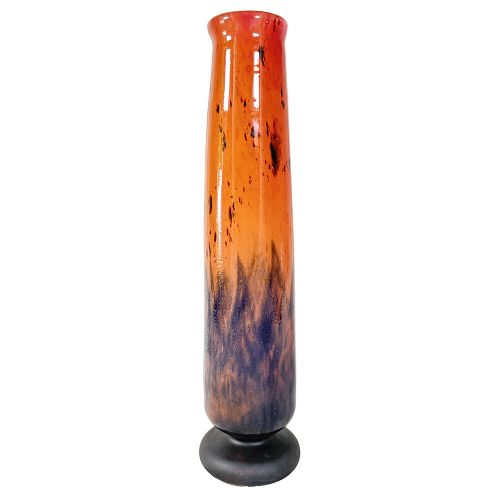
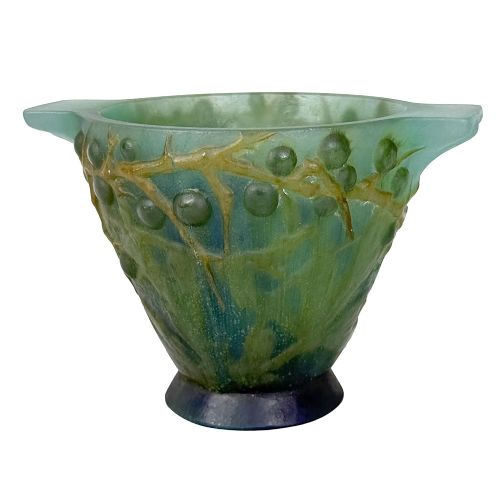
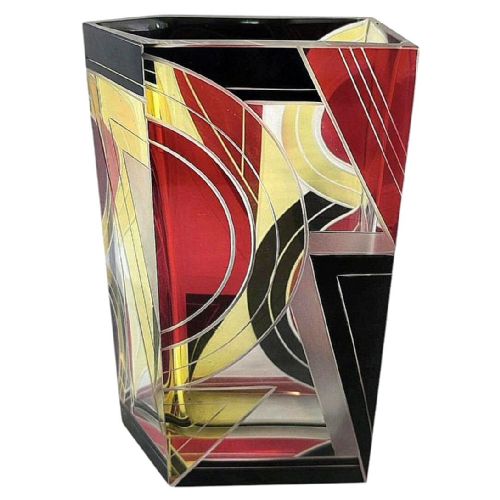
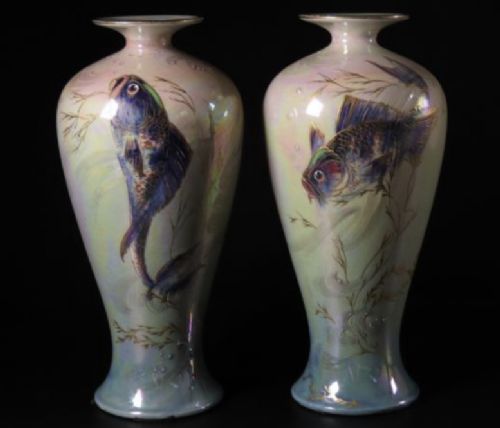
The selection ranges widely across materials and origins, featuring heavy moulded glassware from France, brightly glazed earthenware from English potteries, and deeply etched crystal from Czech workshops. Many examples incorporate geometric motifs, stylized animal figures, or vibrant enamel decoration typical of the interwar era.
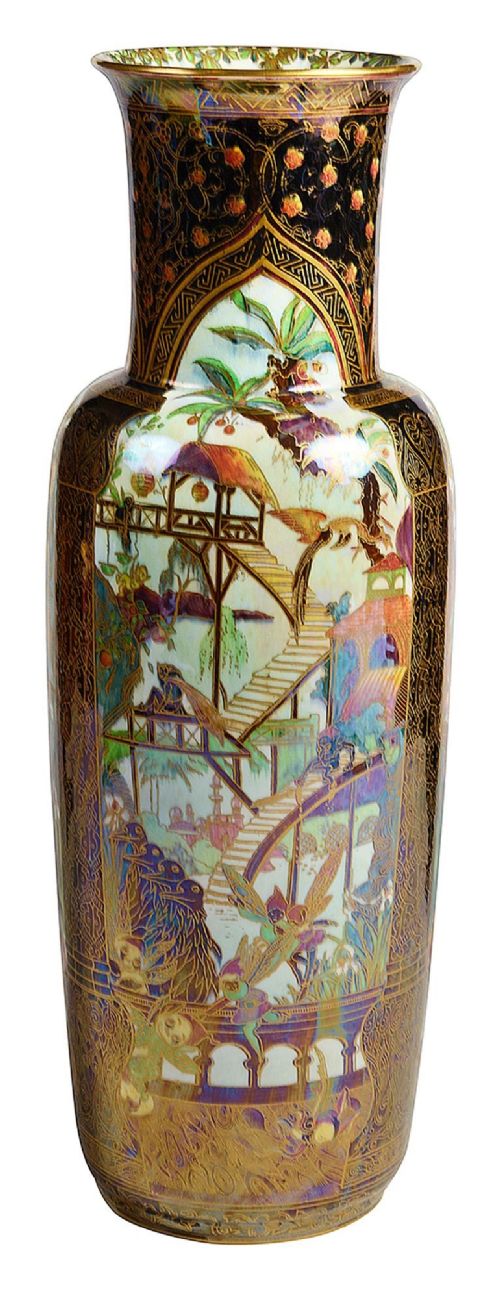
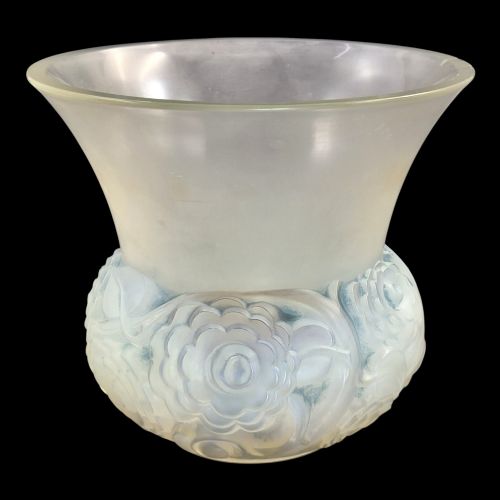
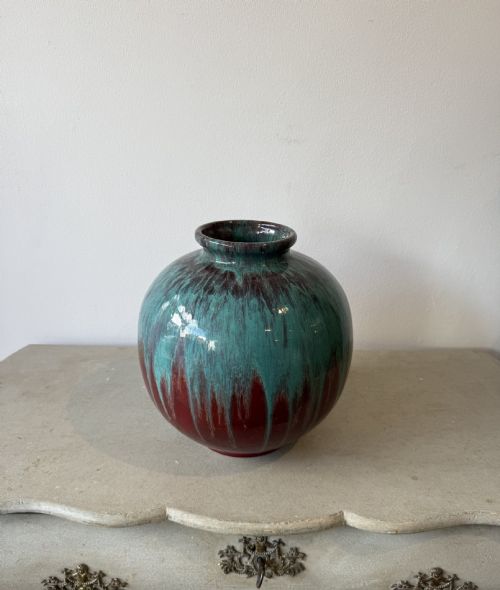
Vessels span from large baluster forms designed as table centrepieces down to slender mantel ornaments. Whether selecting a translucent opalescent glass piece or a metallic-lustre earthenware jar, collectors acquire distinct markers of 20th-century design history.
How They Were Made
Glass production during the period relied on advanced moulding, deep acid-etching, and the incorporation of metallic inclusions like aventurine or lead crystal to achieve dramatic visual depth. Makers utilised techniques such as pate de verre and enamel layering to create rich, textured surfaces that caught the light.
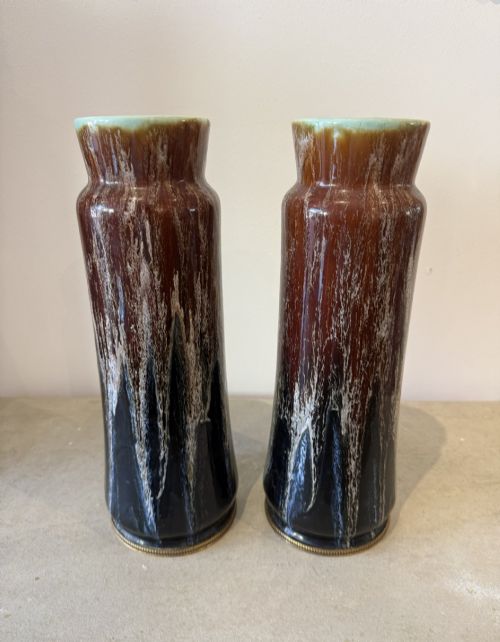
Ceramic pieces combined traditional earthenware and stoneware bodies with hand-painted glazes, drip effects, and lustrous metallic finishes. Workshops applied complex stencil designs and raised geometric enamels to achieve the characteristic sharp contrasts associated with the style.
Listings feature periods spanning from the Victorian era through the 1930s, alongside materials including opalescent glass, earthenware, and gold leaf.
What Varies In Quality
Quality rests upon the crispness of the moulding and the precision of the surface decoration, distinguishing master studio output from standard commercial production. Heavy weight in glass or well-balanced proportions in ceramic vessels indicate superior material density and deliberate craftsmanship.
The reputation of the designer and the execution of intricate details, such as multi-layer acid etching or hand-applied gold leaf, elevate specific examples. Pieces bearing clear signatures from prominent glasshouses or ceramic potteries command greater interest among collectors.
Rene Lalique·Daum·Amalric Walter·Karl Palda·Val St Lambert·Royal Doulton·Moorcroft·Daisy Makeig Jones
The Art Deco Vase Glossary
- Opalescent glass
- Glass that diffuses light with a milky, iridescent glow, frequently utilised by French makers to highlight moulded reliefs.
- Lustre glaze
- A metallic film applied to ceramics to produce an iridescent, shimmering surface finish when fired.
- Pate de verre
- A glass-casting method where crushed glass is packed into a mould and fused in a kiln, producing a dense, frosted texture.
- Aventurine
- Glass containing suspended metallic particles that glitter within the body, adding internal sparkle to the material.
- Baluster
- A cylindrical vessel shape characterised by a wide lower body tapering upward to a narrower neck.
Art Deco Vase: Frequently Asked Questions
How do I display an art deco vase?
Position your vessel where natural light can pass through the glass or catch the metallic sheen of the glaze. Placing it on a neutral surface allows the geometric forms and bold colours to stand out clearly.
Avoid overcrowding the display with competing objects. Allowing breathing room around the silhouette emphasises the craftsmanship of the period.
Are these vessels suitable for holding fresh flowers?
Many examples were created as purely decorative interior objects rather than functional containers for water. Earthenware bodies with lustre finishes or historic glass can be sensitive to moisture.
Utilising a small inner liner or keeping the vessel dry preserves the interior glaze and historic materials. Inspect the base and interior for any historic porosity before introducing water.
How can I tell glass from ceramic pieces?
Glass versions rely on transparency, opalescence, or heavy crystal structure, often featuring moulded reliefs or deep acid-etched patterns. Ceramic examples utilise opaque earthenware or stoneware with painted or glazed surfaces.
Checking the base often reveals the medium, as glass pieces show pontil marks or moulded signatures, while pottery displays kiln rests or factory backstamps.
What defines the style of these items?
The aesthetic relies on strict symmetry, stepped architectural lines, and stylized representations of flora and fauna. This visual language rejected Victorian clutter in favour of sleek modernity.
Examining the motifs reveals repeating chevrons, sunbursts, and geometric abstraction. These design choices reflect the industrial optimism of the 1920s and 1930s.