





White Glass Flower Vase
A white glass flower vase brings a clean, luminous focus to a room, holding stems with quiet elegance across Victorian and modern interiors.

White Glass Flower Vase
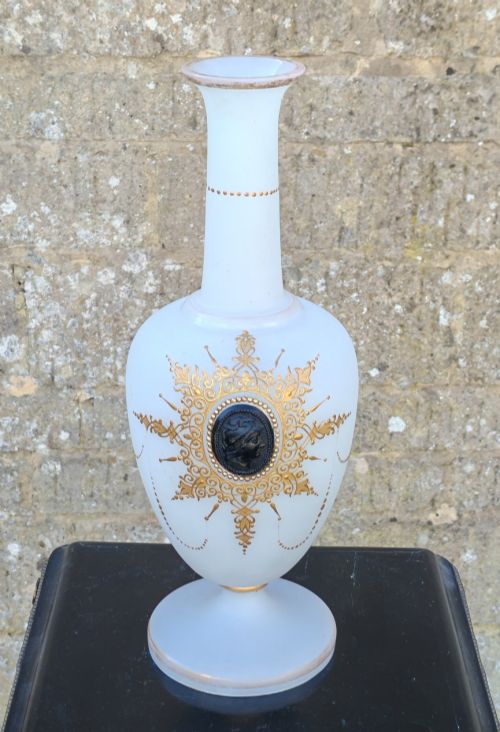
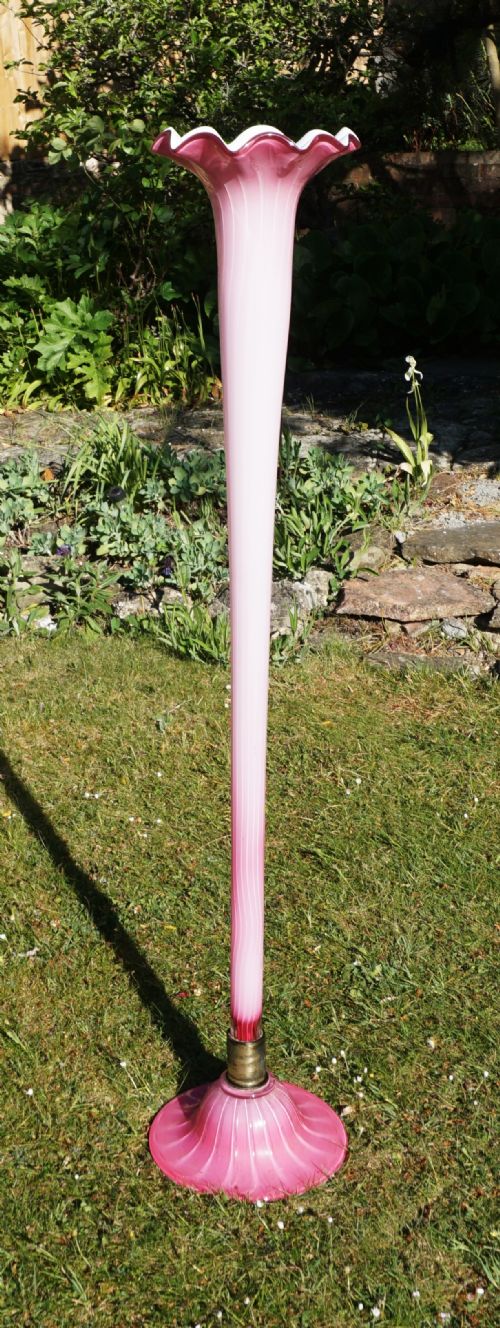
A white glass flower vase encompasses various forms ranging from mid-nineteenth-century opaline bulb vessels to twentieth-century opalescent moulded creations. These objects serve as functional vessels for blooms while functioning independently as decorative sculptural pieces in a home.
Buyers encountering this selection will frequently find opaline glass decorated with enamel flowers, alongside cased glass lily vases and moulded pieces from the Art Deco era. The assortment bridges functional tableware and artistic glass production across multiple decades.
Originating from periods spanning the Victorian era through to mid-century modern design, these vessels reflect shifting aesthetic priorities from hand-painted naturalism to modernist abstraction. Each piece demonstrates how makers utilised white glass to capture and diffuse light.
Materials and construction
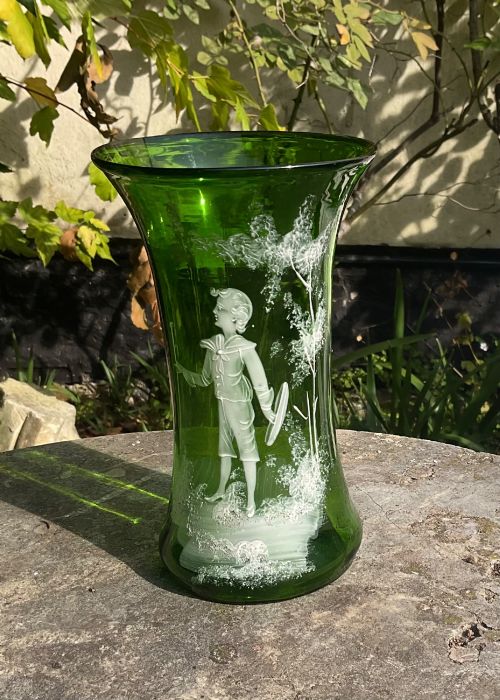
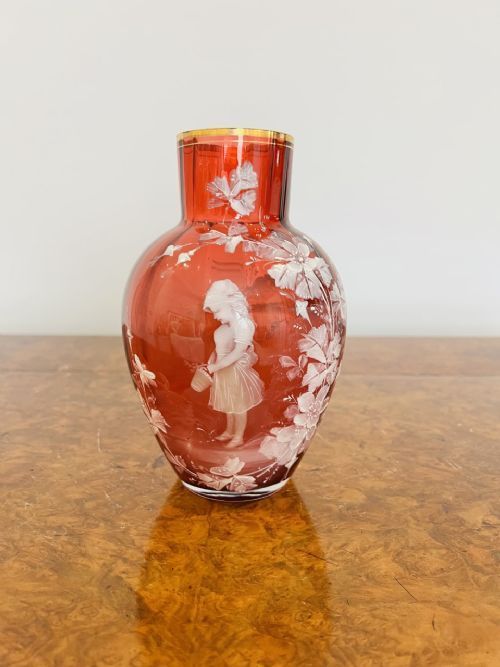
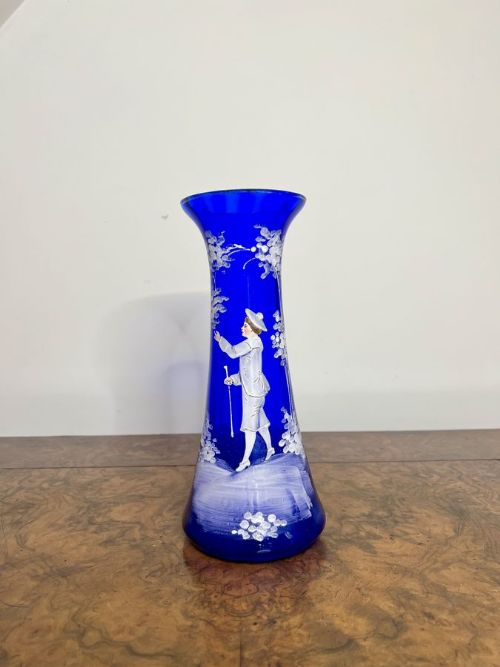
Makers utilised cased glass and opalescent glass to achieve depth, layering contrasting colours and milk-white tones together before shaping the molten material. Enamel paint and gold leaf were frequently applied to the surface to add painted floral motifs and decorative borders.
Techniques varied from free-blown lily vases with white cane decoration to mold-pressed production employed during the Art Deco period. Skilled artisans manipulated glass temperatures to create frosted textures, opalescent sheens, and clean white opacity.
White Glass Flower Vase Retail Price Guide 2026
Typical asking prices for white glass flower vase among the pieces listed under this phrase on Sellingantiques today, from the lower quarter to the upper quarter. They describe what is for sale here now, not the wider market.
A nineteenth-century glass vessel arrives as a token of friendship, doubling as a lucky charm designed to brighten any room.
Assessing quality and execution
The distinction between standard production and exceptional work rests on the refinement of the glass body and the precision of surface decoration. Hand-painted enamel details demonstrate superior artistry when brushwork is crisp and integrated harmoniously with the form.
Moulded glass relies on the sharpness of the relief and the subtlety of the opalescent fire within the material. Pieces bearing distinct maker signatures or retaining complex layered cased structures command greater regard among collectors.
R Lalique·Stuart Armfield·Jennifer Toombs
The White Glass Flower Vase Glossary
- Opaline glass
- A type of opaque or semi-translucent white glass popular in the nineteenth century. It provides a smooth, porcelain-like surface suited for hand-painted enamel decoration.
- Cased glass
- A method where a vessel is formed from multiple layers of different coloured glass fused together. This technique allows artisans to cut through outer layers to reveal contrasting colours underneath.
- Opalescent glass
- Glass that displays a milky, iridescent quality, appearing blue in transmitted light and warm amber or white in reflected light. It became a defining medium for twentieth-century designers.
- Lily vase
- A tall, slender vase designed with a flared rim resembling the shape of a lily flower. These pieces typically support single long-stemmed blooms.
- Enamel paint
- Vitreous pigments applied to the surface of fired glass and subsequently heated to fuse permanently. It allows for detailed botanical illustrations and colourful ornamentation.
White Glass Flower Vase: Frequently Asked Questions
How do I clean a vintage glass vase?
Wash the interior gently with warm water and mild soap, avoiding harsh abrasive pads that can scratch delicate enamel or gold leaf details.
Allow the vessel to air dry completely on a soft cloth to protect the base and exterior finish.
Are these vases suitable for daily use?
Many sturdy nineteenth and twentieth-century vessels accommodate water and fresh stems without issue, provided they are handled with care during refilling.
Delicate opalescent or enameled pieces benefit from careful placement away from high-traffic areas to prevent accidental impact.
What period do opaline vases belong to?
Opaline glass production dates predominantly to the nineteenth century, particularly the Victorian era, when white glass mimicking porcelain gained widespread popularity.
Artisans decorated these vessels with hand-painted floral motifs and gilded accents that reflect mid-Victorian tastes.
How is Art Deco glass different?
Art Deco pieces often rely on sculptural form and optical effects within the glass itself rather than surface painting.
Makers utilised moulding techniques to create opalescent textures and geometric or botanical reliefs that catch natural light.