

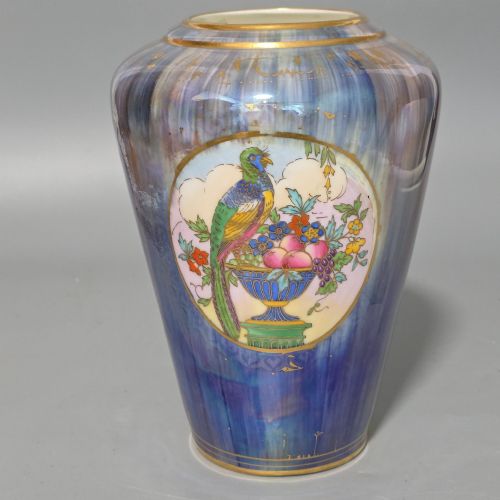


Art Deco Decorative Vessel
An art deco decorative vessel brings the striking geometric forms and rich surfaces of the interwar years straight into a room.
Art Deco Decorative Vessel
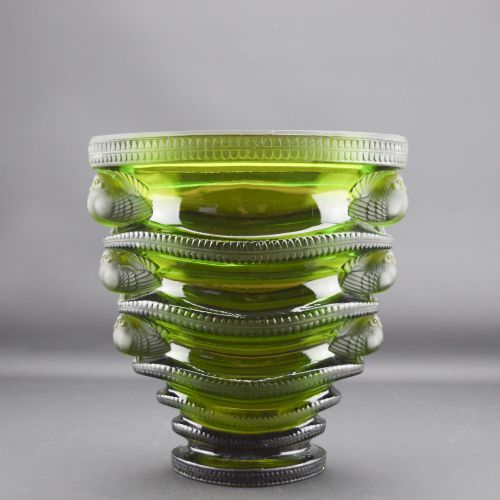
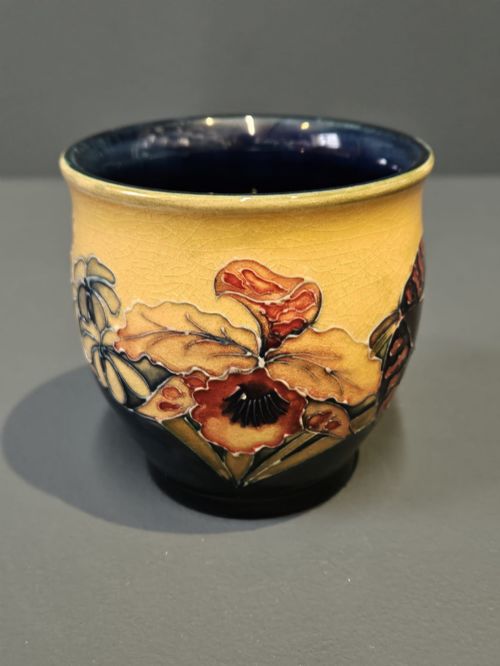
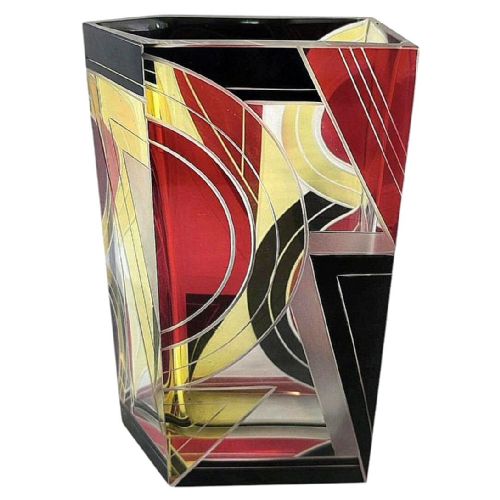
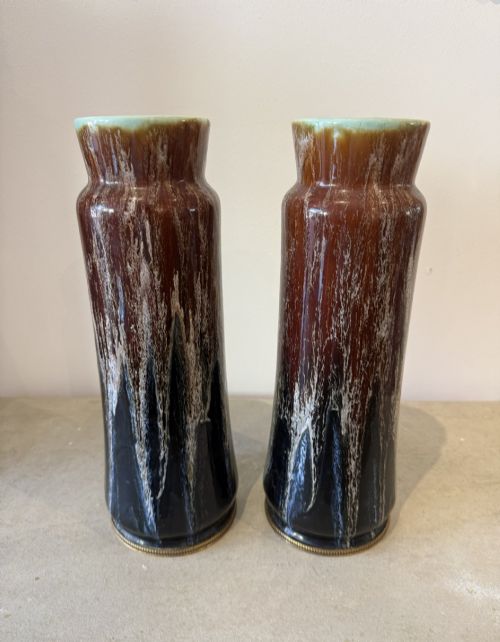
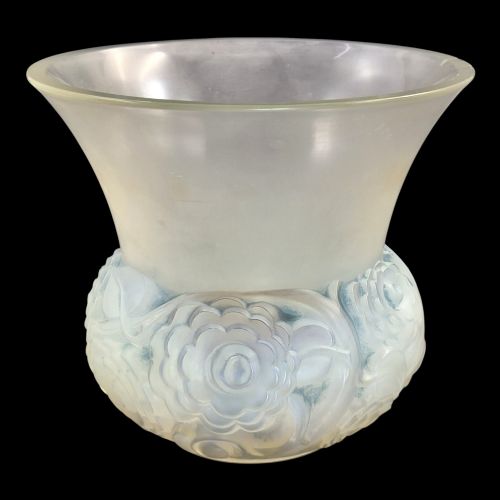
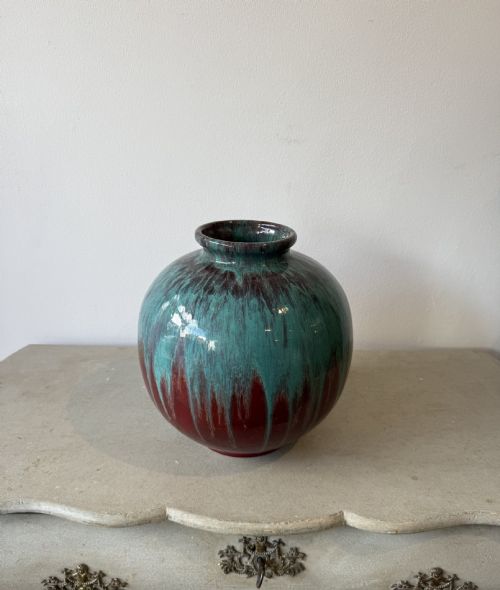
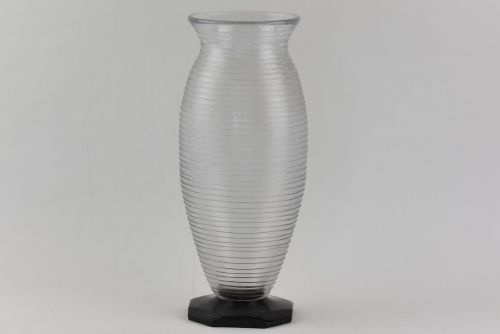
When you search for an art deco decorative vessel, you encounter objects conceived for display and utility during the 1920s, 1930s, and 1940s, alongside select Edwardian precursors. The pieces on this page span several distinct forms, most frequently appearing as vases, decorative bowls, and trinket boxes.
The aesthetic bridges rigorous geometric layouts with stylised natural motifs, drawing heavily upon the Art Deco and Art Nouveau styles, with occasional excursions into French studio pottery and Chinoiserie. You will meet tall cylindrical glassware, heavily enamelled vessels, and robust earthenware shaped by prominent continental and British potteries.
How they were made
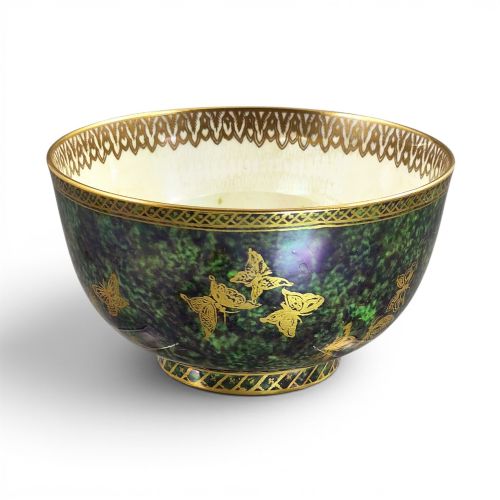
Makers utilised glass and ceramic bodies, often applying opalescent or frosted treatments to capture light across moulded surfaces. Earthenware and porcelain vessels received hand-painted glazes, enamel decoration, and occasional highlights in gold leaf.
Techniques relied upon skilled moulding, acid etching, and meticulous hand-finishing, particularly evident in the relief work of moulded glass and the intricate patterns of lustre pottery.
Listings feature vessels spanning the 1920s, 1930s, and 1940s, utilising glass, opalescent glass, earthenware, porcelain, and gold leaf.
What varies in quality
Quality rests upon the crispness of the moulding and the depth of the glaze or glass finish. Pieces executed with sharp relief and well-defined enamelling display a superior handling of the medium.
The reputation of the designer and the particular complexity of the colourway or pattern distribution heavily influence the standing of an individual vessel within its maker's output.
Rene Lalique·Boch Freres·Daum·Karl Palda·Monart Glass·Carlton Ware·Pilkingtons Royal Lancastrian·Charlotte Rhead·Roger Guerin·Poole Pottery
The Art Deco Decorative Vessel Glossary
- Opalescent glass
- Glass containing agents that create a milky, semi-translucent appearance with shimmering blue or amber highlights when struck by light. This effect is characteristic of interwar decorative glassware.
- Lustre pottery
- Ceramics finished with a metallic film that produces an iridescent sheen. This technique creates shifting metallic colours across the surface of the glaze.
- Baluster vase
- A vessel characterised by a rounded body that tapers toward the base and swells near the middle. The form echoes traditional architectural balusters.
- Enamel decoration
- Pigments fused to glass or ceramic surfaces through high-temperature firing. This method results in durable, richly coloured surface patterns.
Art Deco Decorative Vessel: Frequently Asked Questions
How do I identify glass periods?
Examine the weight, the presence of mould seams, and the treatment of the surface finish. Interwar pieces often display distinct opalescent qualities or acid-etched geometric motifs characteristic of the period.
Compare the signature style and branding methods with known factory output from the 1920s and 1930s. Subtle variations in tint and texture help distinguish genuine period manufacture from later reproductions.
Were these vessels used daily?
Many ceramic and glass pieces served primarily as decorative interior ornaments rather than functional tableware. Their sculptural forms and delicate enamel or lustre surfaces meant they were displayed on mantelpieces and cabinets.
Certain sturdy earthenware bowls and vases held flowers, while covered boxes stored small personal items on dressing tables. Their primary role remained aesthetic enrichment of the domestic interior.
How should I clean glass vessels?
Dust gently with a soft, dry cloth to remove surface particles without abrasive contact. Avoid harsh chemical cleaners that might damage delicate frosted or enamelled surfaces.
For thorough cleaning, use lukewarm water and mild soap, drying immediately with a lint-free cloth. Take care with pieces featuring applied gold leaf or delicate surface enamels.