


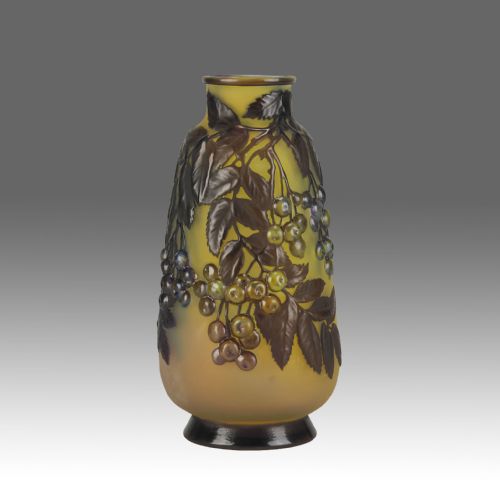


Vintage Frosted Glass Vase
A vintage frosted glass vase brings tactile depth and sculptural form to a room, drawing the eye with its softly diffused surface.

Vintage Frosted Glass Vase
When searching for a vintage frosted glass vase, collectors encounter pieces primarily spanning from the Victorian and Edwardian eras through the Art Nouveau and Art Deco periods. These items range from large ornamental urns and table centrepieces to delicate cabinet vessels.
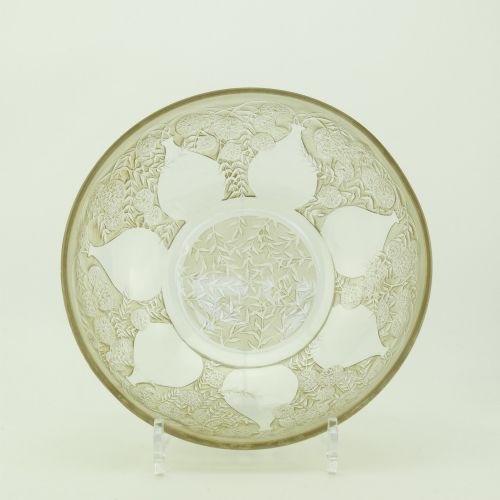
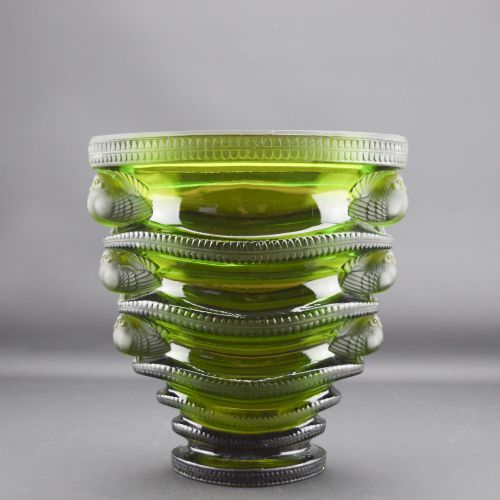
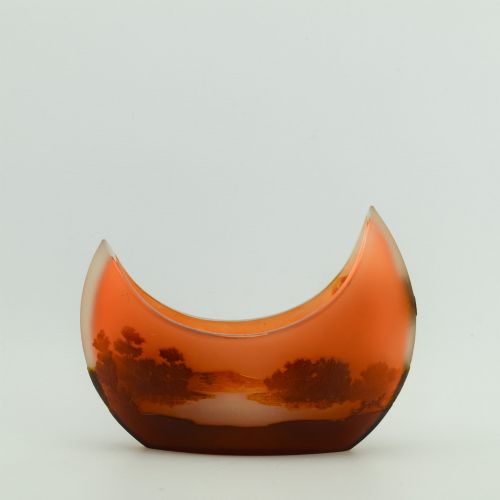
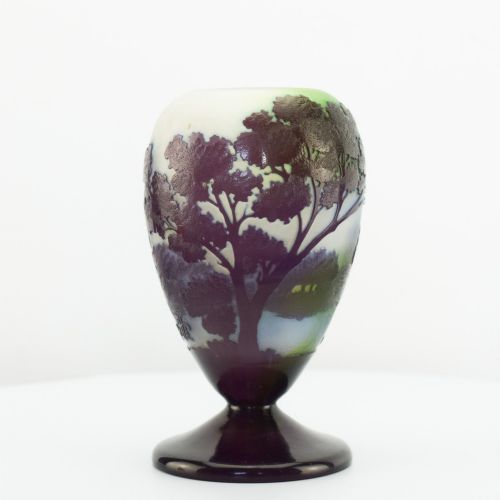
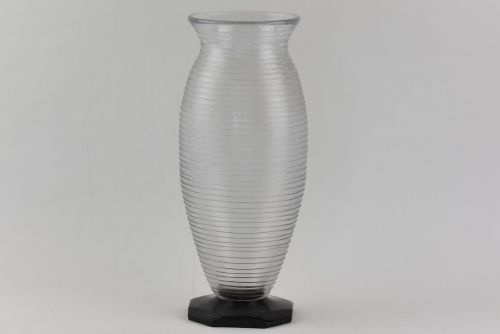
The selections available on this page highlight prominent works from the early twentieth century, particularly French creations featuring botanical and geometric motifs. Buyers frequently meet pieces shaped as bowls, footed landscapes, and tall sculptural cylinders.
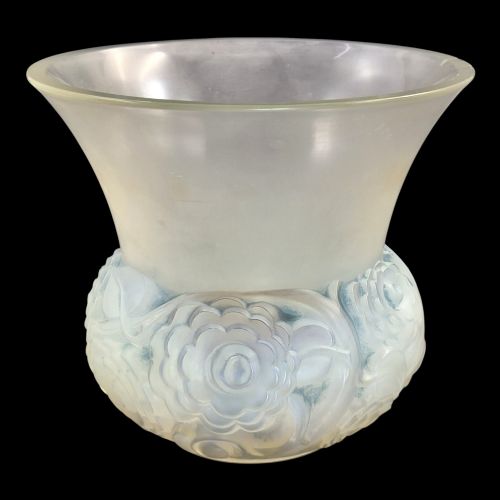
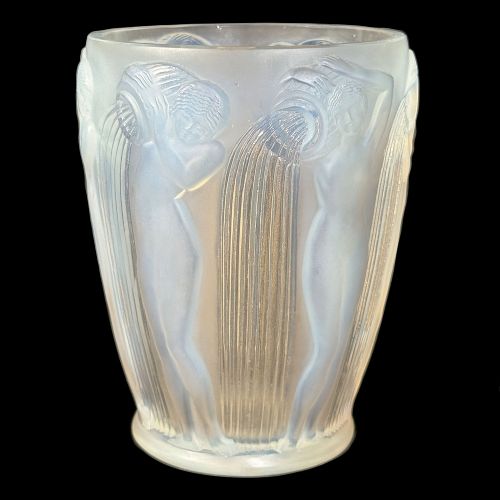
Moulded and opalescent finishes dominate the inventory, often displaying natural themes such as cornflowers, berries, and water carriers. These vessels served both decorative and functional roles in period interiors, remaining popular for display today.
Materials and methods of production
Makers utilised techniques such as acid-etching and cameo layering to achieve the characteristic translucent finish of a vintage frosted glass vase. Multi-layered cameo glass required skilled carving through contrasting coloured strata to reveal intricate landscape or floral designs.
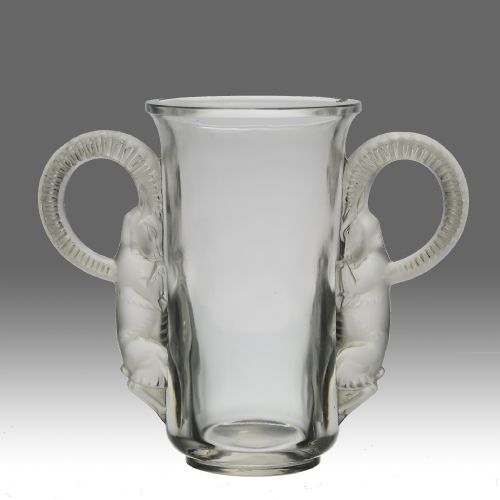
Moulded glass production allowed for deep relief patterns and complex sculptural forms, sometimes enhanced with enamel details or opalescent qualities that caught the light differently from various angles. Clear glass elements were frequently contrasted against matte frosted surfaces to accentuate the design.
Several vases depict botanical subjects like cornflowers and water lilies, allowing owners to keep everlasting blooms on their mantelpiece.
Assessing quality in period glass
The distinction between standard production and masterworks rests upon the crispness of the moulding, the depth of the cameo carving, and the subtlety of the acid-etching. Superior examples demonstrate a precise control of translucency that gives depth to the frosted body.
Design complexity and the harmony between the silhouette and the surface decoration dictate the standing of a piece within its period. Clarity of signature, artistic ambition, and the successful integration of colour tints further separate ordinary vessels from exceptional works.
Rene Lalique·Galle·Emile Galle·Daum Freres·Thomas Webb and Sons·Legras·Julien Glass France
The Vintage Frosted Glass Vase Glossary
- Frosted glass
- Glass treated to achieve a matte, non-reflective surface by acid-etching or sandblasting. This process diffuses light and softens the visual appearance of the vessel.
- Cameo glass
- Glass formed with multiple layers of different colours fused together, then carved or etched to create a raised design in relief. This technique demands immense skill from the artisan.
- Opalescent glass
- Glass containing ingredients that cause it to milky-blue or milky-white in transmitted light and warm amber or yellow in reflected light. It creates a luminous, glowing effect.
- Acid-etched glass
- Glass exposed to hydrofluoric acid to eat away exposed areas, creating frosted patterns or textured surfaces. It allows for fine, controlled detail without physical carving.
- Epergne
- A large table centrepiece featuring a central bowl with multiple attached vases or arms for holding flowers or fruit. They were popular centrepieces in Victorian dining rooms.
Vintage Frosted Glass Vase: Frequently Asked Questions
How do I tell Art Nouveau from Art Deco pieces?
Art Nouveau items feature flowing, asymmetrical lines inspired by natural forms such as flowers, vines, and insects. The decoration often wraps organically around the contours of the vase.
Art Deco pieces emphasise symmetry, bold geometric patterns, and stylised motifs. The overall form tends to be more structured and architectural.
What is opalescent glass?
Opalescent glass is a type of glass that exhibits a milky, translucent quality with shifting tones depending on the light source. It often glows with blue or amber highlights.
This optical effect was achieved through specific chemical additions during the melting process, making it particularly prized by twentieth-century designers.
Were these vases used for holding water?
Many of these vessels were designed primarily as decorative display pieces or centrepieces rather than functional flower holders. Their sculptural forms and delicate cameo surfaces meant owners often displayed them empty.
When water was used, owners exercised caution to protect interior surfaces and any delicate enamel or acid-etched details from mineral deposits.