






French Glass Ornament
When you handle a french glass ornament, you meet objects that range from delicate paperweights to bold car mascots shaped by decades of design.
French Glass Ornament
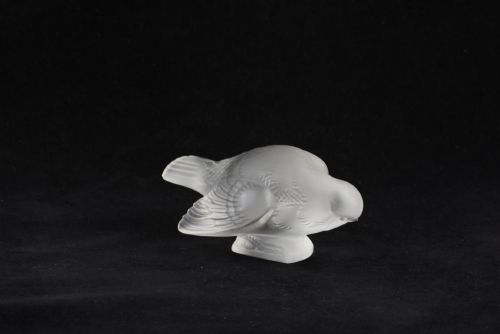
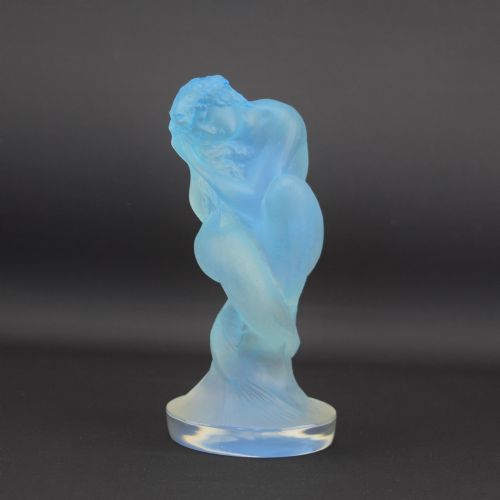
A french glass ornament brings together domestic decorative arts and functional luxury items originating from the nineteenth century into the interwar twentieth century. The selection leans heavily toward twentieth-century production, notably Art Deco car mascots, vases, and paperweights alongside nineteenth-century opaline items and cameo glass.
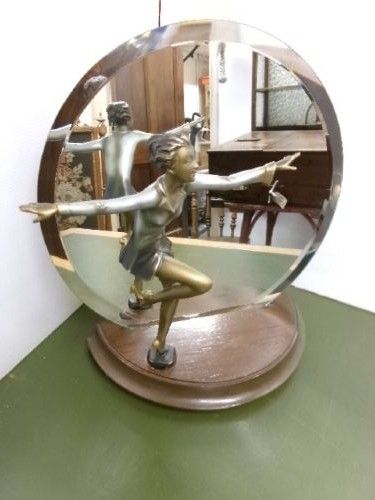
Buyers encounter distinct forms spanning desk paperweights, automotive ornaments designed for radiator caps, floral vases, and figural sculptures. Art Nouveau and Art Deco aesthetics dominate the physical output, reflecting the shifts in taste across French workshops.
Makers and designers of this period utilised varied moulding and glassblowing techniques to create objects intended for display or utility. The physical presence of these pieces relies on the transparency, colour manipulation, and surface texture inherent to the medium.
How they were made
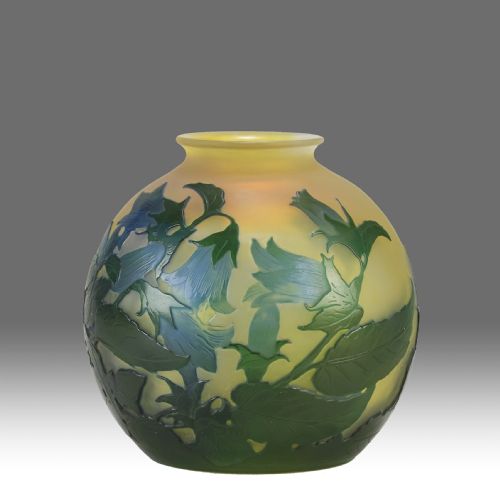
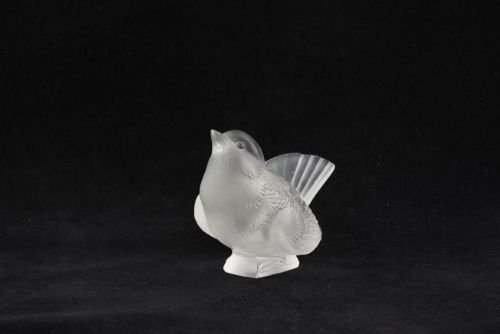
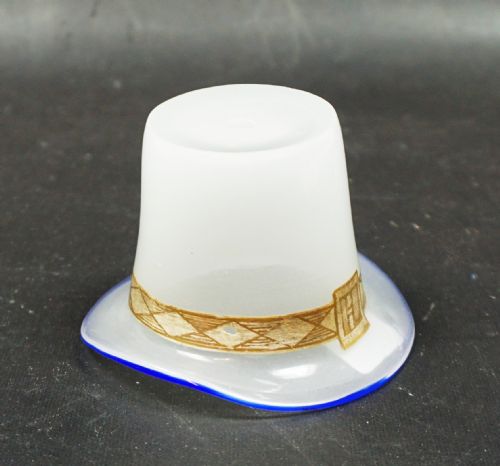
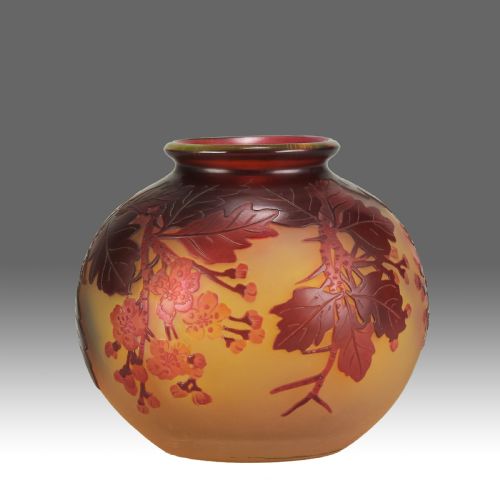
Makers shaped these items using clear, frosted, moulded, and pressed glass, often applying opalescent finishes to catch the light. Cameo glass vessels required multi-layered acid-etching to reveal contrasting background colours in floral and geometric patterns.
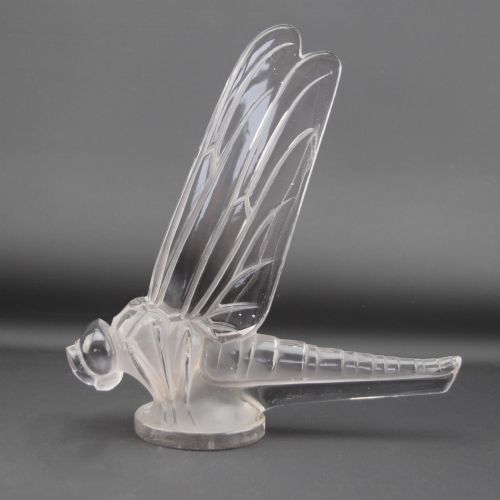
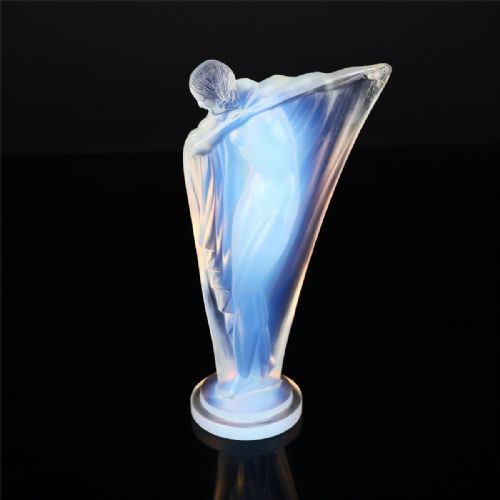
Art Deco car mascots and figurines utilised press-moulding techniques where molten glass entered heavy metal moulds. Surface details were subsequently refined through frosting, polishing, or staining to accentuate the sculptural reliefs.
Listings feature periods spanning from the mid-nineteenth century through to the Art Deco movement of the nineteen-thirties.
What varies in quality
The sophistication of the mould design and the crispness of the relief carving distinguish standard production from superior examples. Depth in cameo glass layers and subtlety in opalescent fire-colouring indicate the skill level of the maker.
The integration of metal mounts, such as bronze or gilt brass fittings on opaline pieces, shows the attention given to secondary materials. Hand-finished details on pressed glass figures provide individual character that sets apart individual castings.
Rene Lalique·Emile Gallé·Jean Luce·Etling·Schneider·Baccarat
The French Glass Ornament Glossary
- Opalescent glass
- Glass that milky-blue appearance where transmitted light shows amber or orange tones. This optical effect results from the controlled cooling and reheating of chemical agents added to the batch.
- Cameo glass
- Vessels constructed with two or more distinct layers of coloured glass fused together. Acid-etching or carver's wheels then cut away the outer layer to expose the contrasting design beneath.
- Car mascot
- A sculptural ornament mounted on the radiator cap of a motor car during the early twentieth century. Many were produced in heavy pressed glass by major French designers.
- Opaline glass
- An opaque or translucent pale glass popular in nineteenth-century France for small decorative objects. It frequently incorporates gilding or enamel decoration.
- Pressed glass
- Glass shaped by being pressed into a metal mould with a plunger. This mechanical process allowed for complex decorative patterns to be produced consistently.
French Glass Ornament: Frequently Asked Questions
What is a french glass ornament used for?
These items served various decorative and functional purposes in period interiors, ranging from desk paperweights to decorative centrepieces.
Automotive versions were mounted on motor car radiator caps as personal expressions of speed and modern style during the interwar years.
How do I date a glass mascot?
Mascots from the interwar period often correspond with specific automotive trends of the nineteen-twenties and nineteen-thirties.
Design registrations, moulded signatures, and stylised animal or human motifs help place them within the Art Deco era.
What is cameo glass?
Cameo glass is a multi-layered vessel where distinct coloured strata are partially carved away.
This technique creates raised opaque designs against a contrasting translucent background, requiring precise chemical etching and hand-carving.
How do I clean opaline glass?
Opaline glass requires gentle cleaning with lukewarm water and mild soap to protect historic surfaces.
Harsh abrasives and soaking should be avoided, particularly on pieces with applied gilding or enamel highlights.