


1920s Glass Vessel
A 1920s glass vessel brings bold Art Deco design and luminous colour into a room, offering both function and striking decorative presence.
1920s Glass Vessel
A 1920s glass vessel encompasses a diverse range of decorative and functional objects created during the 1920 and 1930 periods. The selection on this page leans heavily towards vases, decanters, bowls and condiment jars representing the Art Deco and Art Nouveau styles.
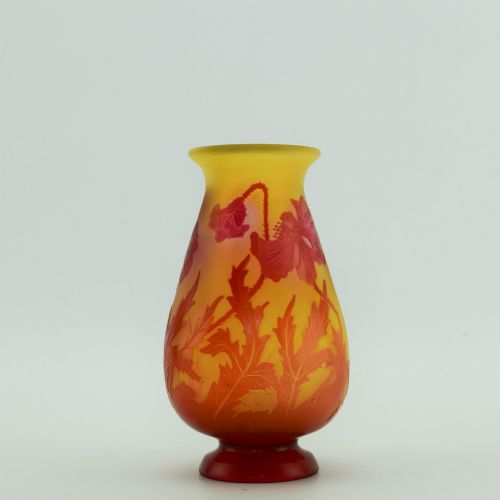
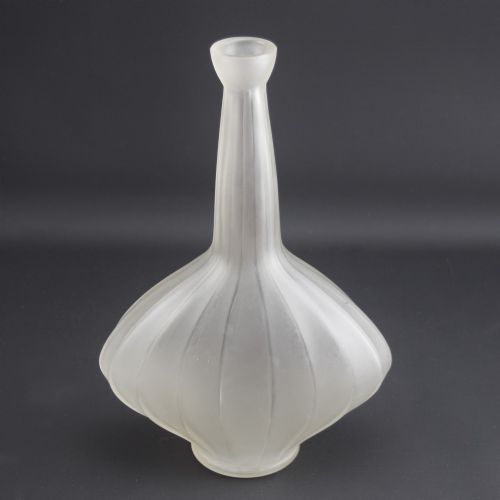
Buyers will encounter prominent pieces utilising opalescent, cameo and frosted glass, alongside works featuring sterling silver mounts. These vessels originate from notable workshops and makers active in early twentieth-century Europe.
How they were made
Makers utilised techniques such as acid-etching, cameo carving and moulding to create depth and texture within the glass body. Opalescent and frosted effects were achieved through specialised glass formulations and thermal treatments during production.
One unexpected 1920s vessel houses a model ship diorama entirely inside a glass bottle.
What varies in quality
Quality in a 1920s glass vessel rests on the crispness of the moulded or cameo relief and the clarity of the underlying material. Pieces retaining strong colour contrast, such as multi-layered cameo glass, demonstrate greater technical accomplishment.
The integration of precious metal elements, including hallmarked sterling silver mounts, influences the overall standard of the finished object. Artistry in design from recognised makers elevates certain vessels above standard production pieces.
Rene Lalique·Galle·Schneider·Omar Ramsden·Venini
The 1920s Glass Vessel Glossary
- Opalescent Glass
- Glass that diffuses light and appears milky or glowing, often shifting in tone depending on the angle of illumination. This effect was heavily utilised in moulded decorative pieces.
- Cameo Glass
- A vessel formed of multiple fused layers of different coloured glass, where outer layers are carved or acid-etched away to reveal a contrasting design. This technique requires considerable skill.
- Latticinio
- A Venetian glass technique incorporating fine white or coloured glass threads within a clear or transparent body. It creates intricate internal network patterns.
- Acid-Etched Glass
- A method where acid eats away exposed portions of the glass surface to create a frosted design or texture. It allows for precise control over decorative motifs.
- Sterling Silver
- A silver alloy containing a high proportion of pure metal, frequently used for rims, lids and mounts on glass condiment jars and decanters.
1920s Glass Vessel: Frequently Asked Questions
What is a 1920s glass vessel?
A 1920s glass vessel is an artistic or functional object produced during the 1920 and 1930 periods, encompassing items such as vases, bowls, and decanters.
These pieces reflect prevailing design movements like Art Deco and Art Nouveau, utilising innovative moulding, cameo, and etching techniques.
Where were these glass vessels made?
These vessels originated from various European workshops and studios active during the early twentieth century.
Noted production centres included France and Italy, alongside British silversmithing workshops that provided fitted mounts.
How should I display a glass vessel?
Display these vessels in spaces with adequate natural light to highlight the qualities of opalescent, frosted, or coloured glass.
Placement should ensure stability, particularly for taller items like cameo vases or decanters.