



Press Moulded Glass
When you search for press moulded glass, you enter a world of heavy relief, tactile French artistry and striking Art Deco geometry.
Press Moulded Glass
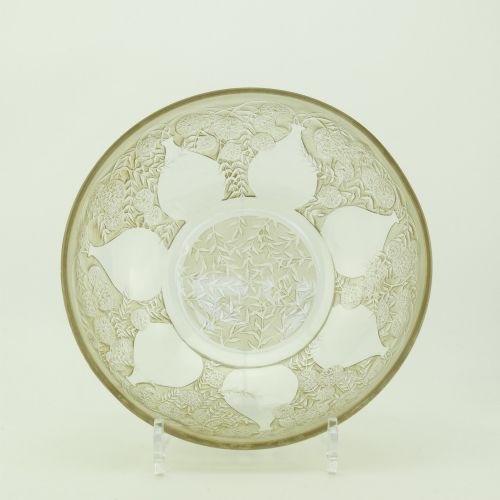
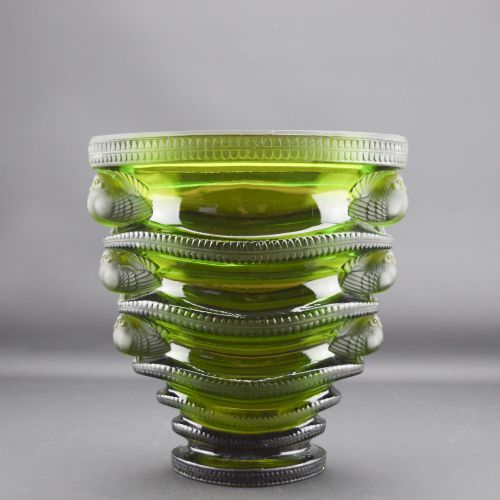
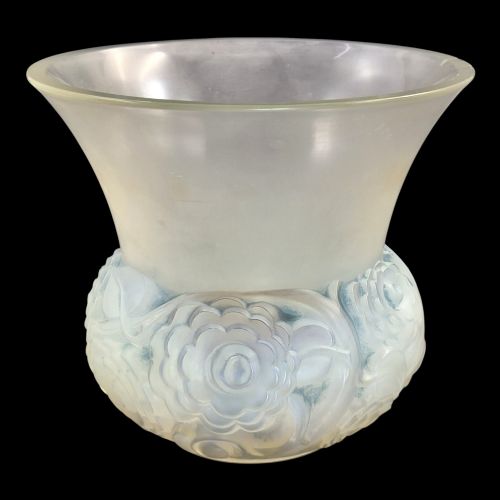
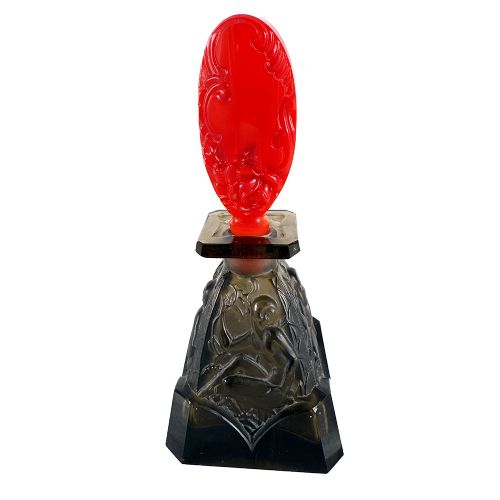
Press moulded glass pieces encompass decorative bowls, vases, scent bottles, and ceiling lights originating largely from the early twentieth century. You will frequently encounter heavy French opalescent and frosted vessels bearing intricate botanical or animal motifs.
The objects stem predominantly from the 1910s, 1920s, and 1930s, aligning closely with the rise of the Art Deco and Art Nouveau movements. Vases, bowls, and perfume bottles dominate this selection, showcasing deep relief work created by mechanical pressing techniques.
Materials and production methods
Makers utilised molten glass forced into metal moulds by mechanical plungers to achieve sharp relief and thick walls. This industrial method allowed workshops to produce complex sculptural forms and repeating decorative patterns consistently.
Surface treatments such as opalescence, sepia staining, and frosted or satin finishes were applied after pressing to accentuate the detailed designs. Copper mounts and bronze framing sometimes complemented the heavy glass components in light fixtures and architectural pieces.
Listings feature items from the Edwardian era through the 1930s, highlighting frosted, opalescent, and clear moulded glass.
Assessing quality in moulded pieces
Quality rests in the crispness of the relief and the subtlety of the opalescent or stained effects applied to the glass. Superior examples retain sharp mould lines and deep contrast between transparent and milky areas without losing structural integrity.
The weight and clarity of the material distinguish finer sculptural vessels from simpler utilitarian objects. Signature marks, whether moulded or etched into the base, indicate atelier production and influence how the object is regarded.
Rene Lalique·G Vallon·Marius Ernest Sabino·Jean Gauthier·Jobling Opalique
The Press Moulded Glass Glossary
- Opalescent glass
- Glass containing agents that cause it to appear milky-blue or fire with orange tones when lit from certain angles. This effect defines many French decorative bowls and vases from the interwar period.
- Pressed glass
- Molten glass shaped by being pressed into a metal mould with a plunger rather than blown freehand. It permits intricate ornamentation and heavy, durable wall construction.
- Plafonnier
- A ceiling-mounted bowl light fixture held by metal fittings. These frosted and moulded glass shades diffuse interior illumination evenly across a room.
- Coupe
- A wide, shallow bowl or dish designed for display or serving. Many feature heavy relief borders depicting flora, fauna, or abstract geometric patterns.
- Satin glass
- Glass treated with acid or mechanical abrasion to produce a velvety, non-reflective surface texture. It softens the appearance of heavy press moulded items.
Press Moulded Glass: Frequently Asked Questions
How do I clean opalescent glass?
Wash the glass gently in warm, soapy water using a soft cloth to protect delicate stained or frosted surfaces. Avoid harsh chemical cleaners and abrasive scrubbing that can damage the vintage finish.
Dry the piece immediately with a lint-free cloth to prevent water spots from forming on the textured relief details.
Where should I place a heavy bowl?
Position these substantial pieces on sturdy furniture where they can catch natural light to activate their opalescent properties. A low table or a dedicated display cabinet offers stability for heavier glass chargers and vases.
Keep them away from direct edges where accidental knocks could chip the thick, pressed rims.
How can I tell the period?
Examine the stylistic motifs, such as stylized floral arrangements or geometric symmetry, which typically point towards the 1920s and 1930s. Signatures, registration numbers, and mould characteristics also help establish the date of manufacture.
French pieces from the interwar years often carry distinct acid-etched signatures or moulded maker marks on the base.
Were these items meant for daily use?
While sturdy in construction, many of these decorative bowls, scent bottles, and vases served primarily aesthetic roles in affluent interwar households. Perfume bottles and shot glasses held practical functions, but elaborate coupes and figurines were predominantly ornamental.
Today, collectors value them as sculptural art objects rather than utilitarian tableware.