
Antique Glass Dish
An antique glass dish brings tactile weight and layered historic craft to a table, spanning delicate Georgian forms to robust Edwardian crystal.
Antique Glass Dish
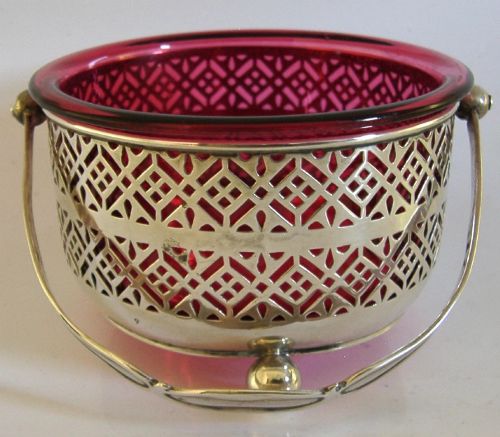
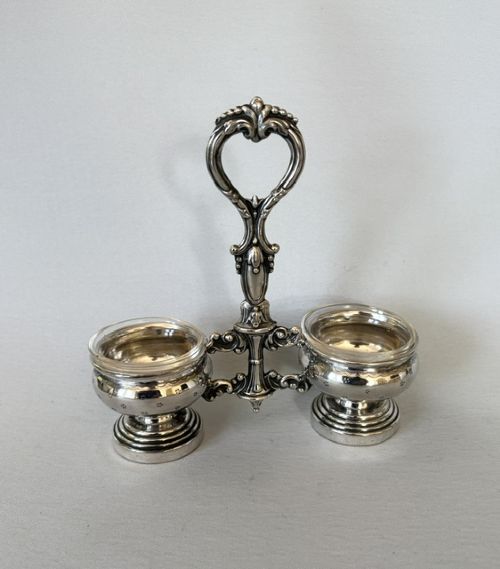
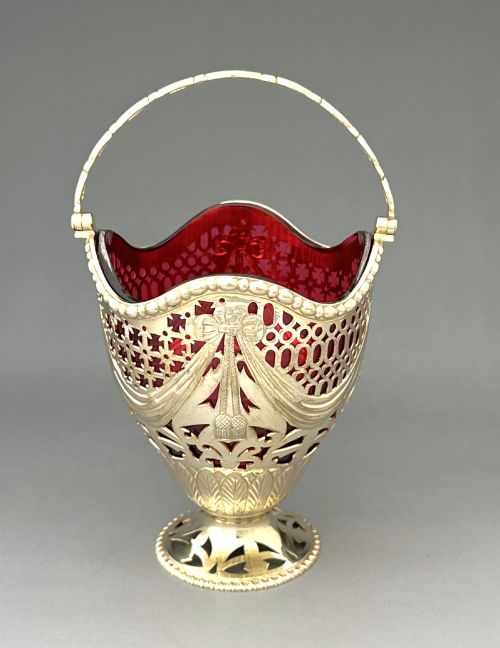
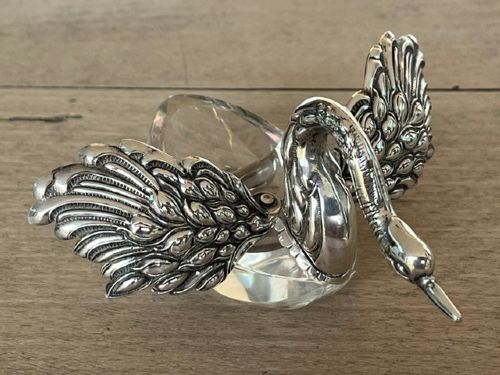
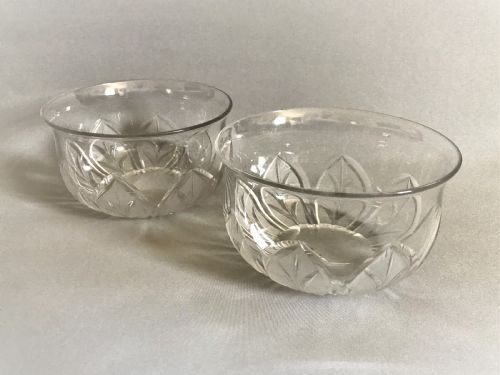
An antique glass dish encompasses an array of utilitarian and decorative forms, including sugar baskets, butter dishes, tazzas, and condiment stands.
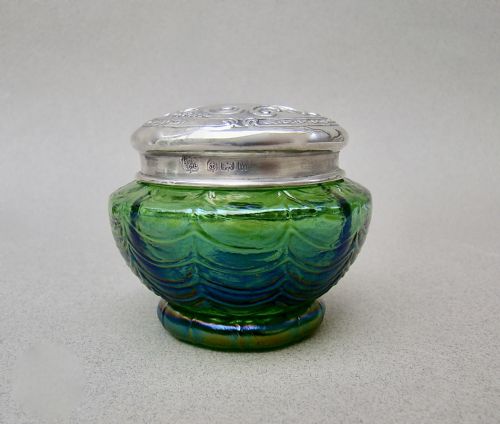
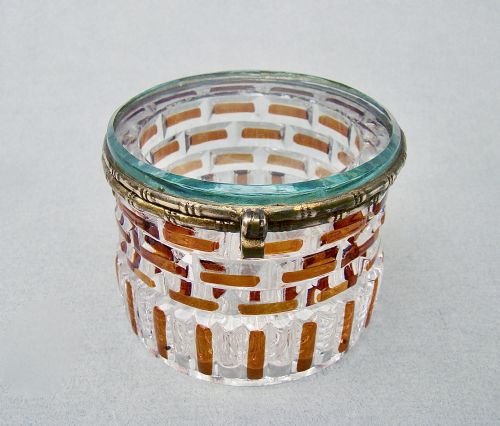
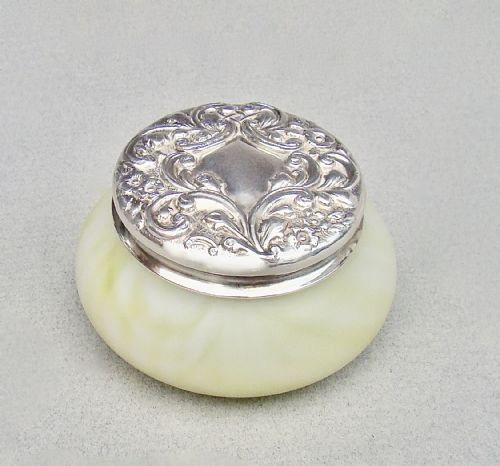
Makers often paired these glass vessels with mounts, frames, or liners in sterling silver, silver plate, brass, and gilt bronze.
Examples on this page date from the eighteenth century through the Victorian and Edwardian eras into the art deco period of the 1930s.
How They Were Made
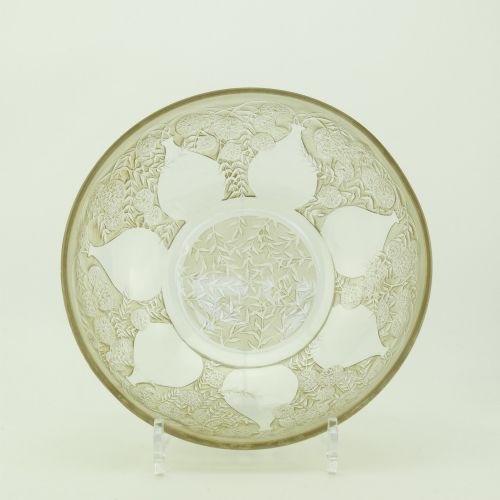
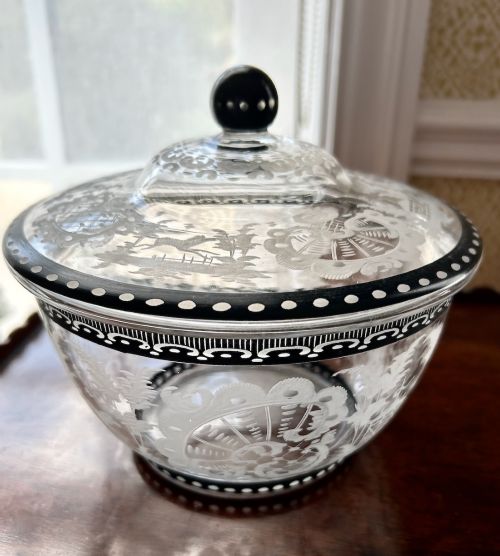
Craftsmen utilised techniques such as hand-cutting, moulding, and engraving to shape clear, cut, and lead crystal glass.
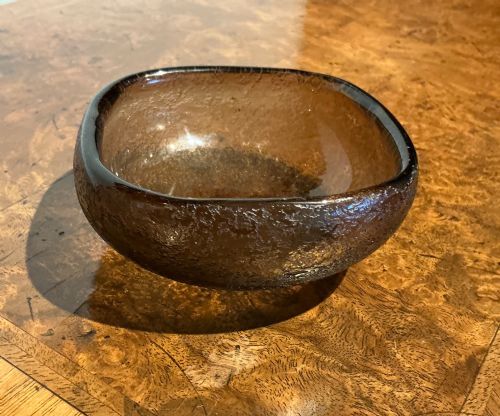
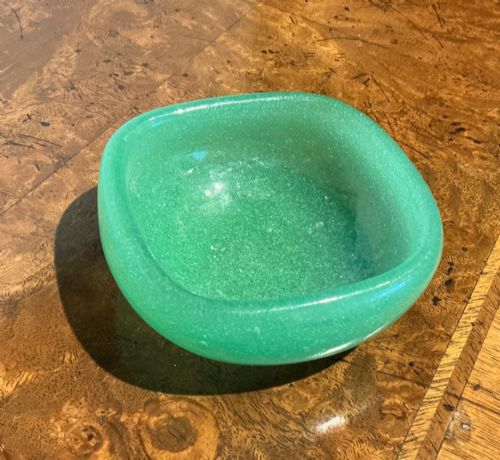
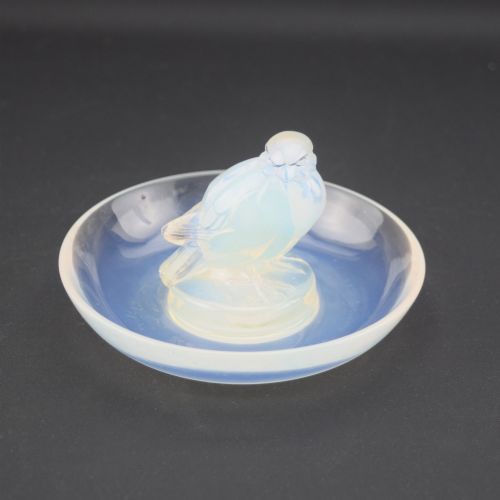
Coloured glass variations like cranberry, vaseline, opal, and amber gained hues through specific mineral additions during melting.
Metalwork components involved casting bronze or ormolu and smithing sterling silver and silver plate to cradle the fragile vessels.
Listings feature glass dishes spanning the eighteenth, nineteenth, and twentieth centuries, incorporating Georgian, Victorian, Edwardian, and Art Deco design styles.
What Varies in Quality
The clarity and weight of the crystal or glass determine the brilliance of light refraction across cut facets.
The precision of metal mounts, handles, and hallmarks indicates the skill of the silversmith or foundry involved.
Depth of engraving and the crispness of moulded patterns differentiate standard production from masterwork output.
Rene Lalique·A. J. Pepper & Co·A. Bromet & Co·William Comyns·Tiffany & Co·Elkington·Martin Hall·Walker & Hall·Thomas Prime·Barker and Ellis
The Antique Glass Dish Glossary
- Tazza
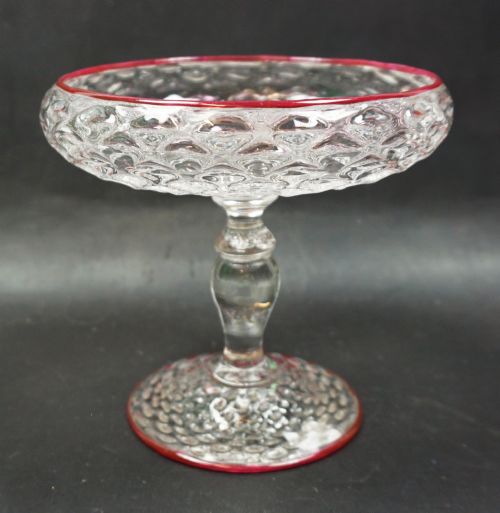
- A shallow bowl raised on a stem and foot, often utilised for serving fruit or small cakes. These pieces date across Georgian and Victorian periods.
- Plafonnier
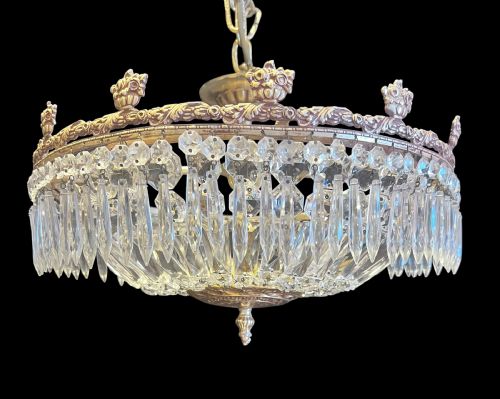
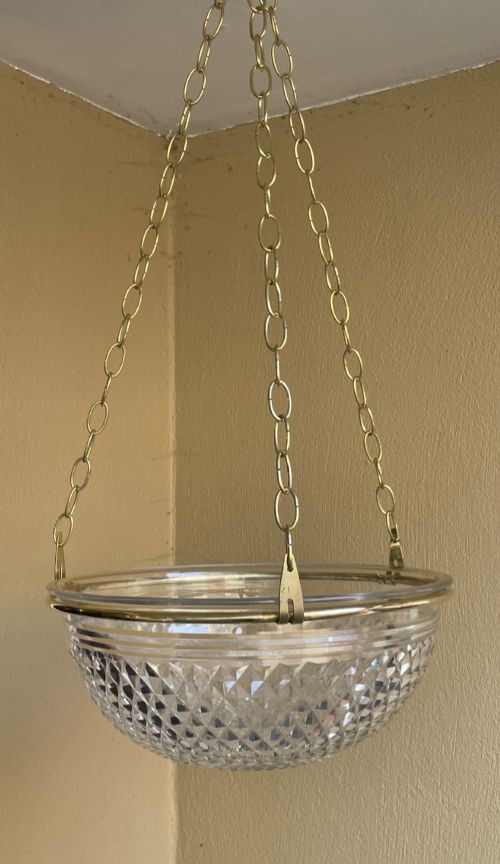
- A ceiling light fixture utilising a glass bowl or dish shade mounted close to the ceiling. Examples often feature brass or bronze hardware.
- Cranberry glass
- Transparent red glass coloured with gold chloride, popular in Victorian tableware. It frequently appears alongside sterling silver mounts.
- Vaseline glass
- Yellow-green glass containing uranium dioxide that glows under ultraviolet light. Victorian makers shaped this material into frilled dishes and jam holders.
Antique Glass Dish: Frequently Asked Questions
How do I clean an antique glass dish safely?
Wash the glass piece by hand in lukewarm water using mild detergent, avoiding sudden temperature changes that can crack historic material. Dry thoroughly with a soft cloth before returning it to any metal stand.
Keep silver and gilt components away from abrasive dips or harsh scrubbing. Polish metal mounts gently with a specialised cloth while avoiding contact with the glass surface.
Can I use these dishes for serving food today?
Many items, such as butter dishes, sugar baskets, and condiment stands, served dining functions originally and remain suitable for table use. Inspect the glass for internal stress fractures or chips before placing food items inside.
Dishes containing uranium or lead crystal warrant careful consideration regarding acidic foods. Modern usage often leans toward presentation rather than daily culinary service.
How do I tell Victorian pieces from Georgian ones?
Georgian pieces often display simpler baluster profiles, hand-blown irregularities, and restrained cutting. Eighteenth-century examples rely on generous glass weights and traditional forms like early tazzas.
Victorian items embrace heavier cut patterns, vibrant coloured glass varieties like cranberry and vaseline, and elaborate silver plated hardware. Eclectic revival styles also flourish during the nineteenth century.
Why do some glass dishes have metal frames?
Makers added silver, brass, or ormolu mounts to elevate the status of the vessel and provide structural support. Swing handles, locking lids, and wheeled carriages transformed simple bowls into functional serving pieces.
Frames also protect vulnerable rims and bases from daily wear. Silver plating and gilt bronze added decorative contrast to clear or coloured glass inserts.