


Scalloped Glass Dish
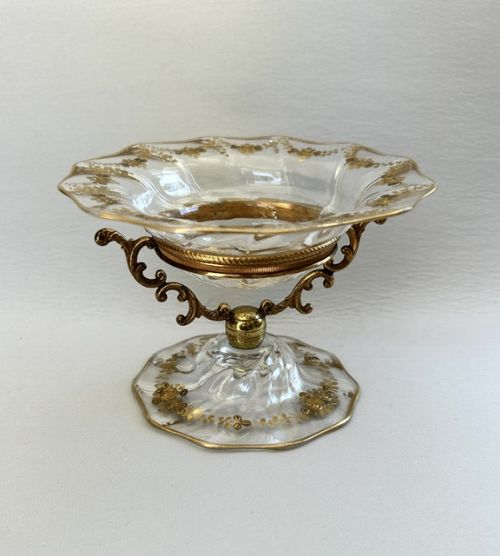
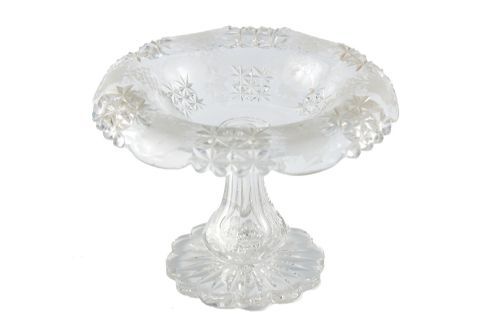
These scalloped glass dish pieces are pressed, cut, and moulded vessels shaped with wavy edges, offering both functional service and table decoration.
Scalloped Glass Dish
When you search for a scalloped glass dish, you encounter a variety of forms ranging from Edwardian and Victorian cut glass to French opaline shell dishes and Georgian sweetmeat vessels. The selection spans periods from the eighteenth century through to the Art Deco era, encompassing decorative bowls, centrepieces, and serving dishes.
The version you are most likely to meet on this page is an Edwardian cut glass dish or a Victorian table centrepiece. These items demonstrate the recurring popularity of shaped rims across different decades and decorative styles.
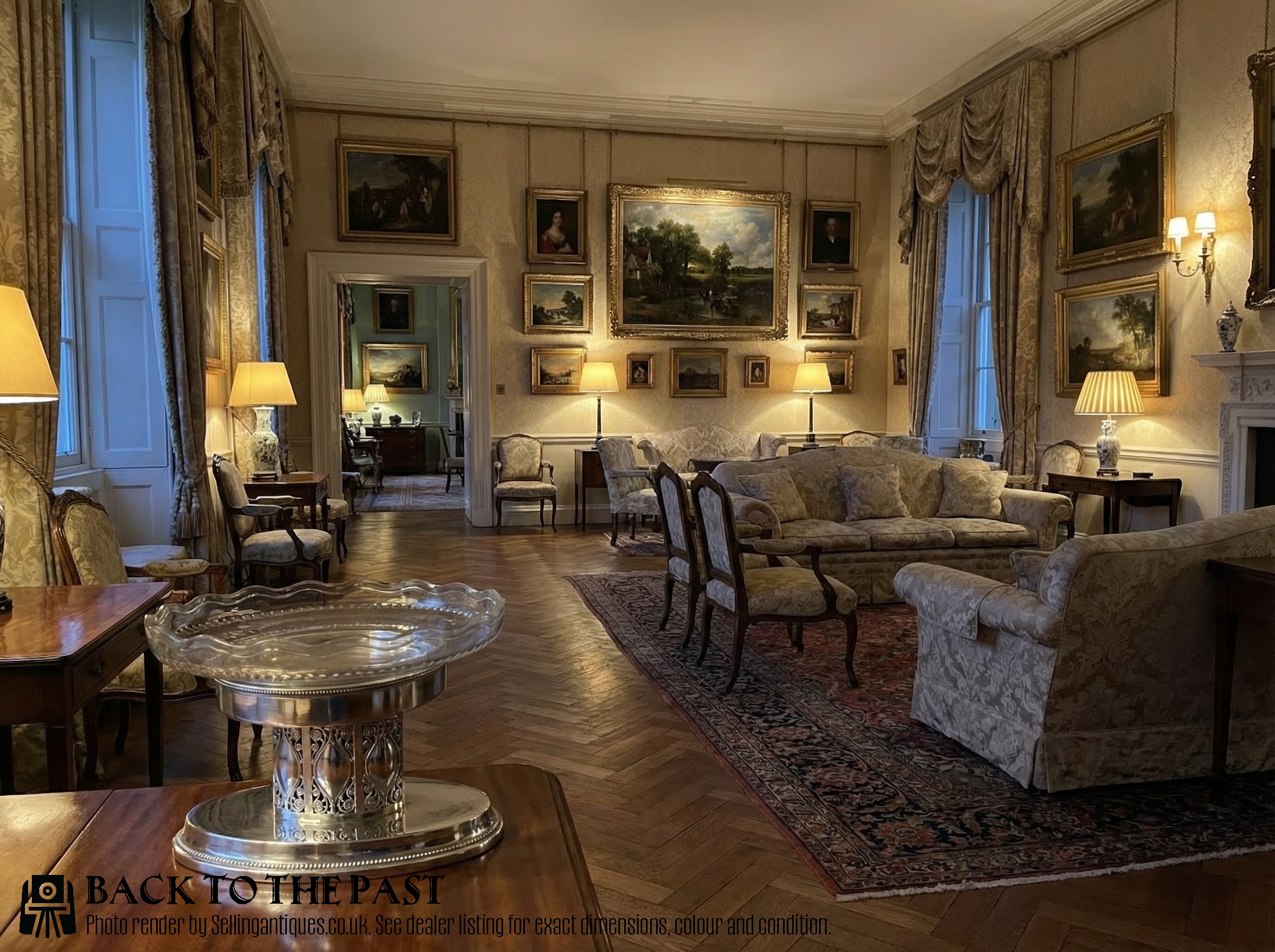
Makers and manufacturers utilised diverse mountings, pairing glass bowls with ormolu stands, gilt metal, and silver plate. Some pieces function as standalone bowls, whilst others form part of larger table garnitures or matched sets.
How they were made
Glassmakers shaped these pieces using techniques such as hand-cutting, moulding, and blowing to achieve the characteristic wavy or scalloped edges. Lead crystal and standard glass provided the primary transparent bodies, while opaline glass introduced opaque pastel colours.
Metal components involved silver plating, ormolu, and gilt metal, often providing structural stands or decorative rims. Makers combined these materials securely, mounting glass bowls onto pedestals or trays.
The glassware forms include table centrepieces, opaline shell dishes, pedestal stands, and sweetmeat glasses representing Edwardian, Victorian, and Georgian aesthetics.
What varies in quality
The standard of cutting and clarity in the glass distinguishes finer examples from simpler utilitarian vessels. Deep, crisp facets catch the light more effectively than shallow or soft pressing.
The quality of the secondary materials, such as the weight of the silver plate or the detail in the ormolu mountings, separates standard production from superior decorative items.
WMF
The Scalloped Glass Dish Glossary
- Scalloped
- Having an edge formed of a series of curves or semicircles. This decorative shaping appears frequently on the rims of bowls and dishes.
- Opaline glass
- An opaque or translucent glass developed in pale colours or white. It often mimics the appearance of porcelain and was popular in nineteenth-century French production.
- Ormolu
- Gilded bronze used for mounts, stands, and decorative furniture. It provides a rich metallic contrast to glass vessels.
- Sweetmeat glass
- A small stemmed glass or dish designed for serving sweetmeats, comfits, or small confectioneries. These pieces date predominantly to the eighteenth century.
- Lead crystal
- Glass containing lead oxide to increase weight, refractive index, and clarity. It allows for deep, sharp facet cutting.
Scalloped Glass Dish: Frequently Asked Questions
What were scalloped glass dishes used for?
These vessels served various functions on the dining table or sideboard, holding sweetmeats, desserts, small fruits, or confectioneries. They were designed to combine practical utility with decorative display during formal meals.
Larger versions often acted as centrepieces or garniture bowls, reflecting light and adding colour to table settings during the Victorian and Edwardian periods.
How do I care for antique glass dishes?
Wash them gently by hand in lukewarm water using mild detergent, avoiding harsh abrasive sponges or sudden temperature changes. Dry them with a soft, lint-free cloth to maintain the clarity of the material.
Keep silver-plated or ormolu mounts dry during cleaning to protect the metal finishes from tarnishing or degradation.
How can I tell the period of a glass dish?
Examine the weight, colour, and cutting style of the glass, as well as any associated metal mounts. Eighteenth-century pieces often feature baluster stems and lead metal content, whilst Victorian and Edwardian items frequently display heavier machine or hand-pressed geometric cutting.
French opaline examples from the nineteenth century present distinctive opaque pastel tones, occasionally decorated with gilt edges.
Are metal mounts original to the glass?
Most integrated stands, ormolu fittings, and silver-plated bases were designed specifically for the glass bowls they accompany. Makers such as WMF produced fitted metal frames to elevate the glassware.
Careful inspection of the contact points between metal and glass reveals whether the assembly aligns with period manufacturing standards.