
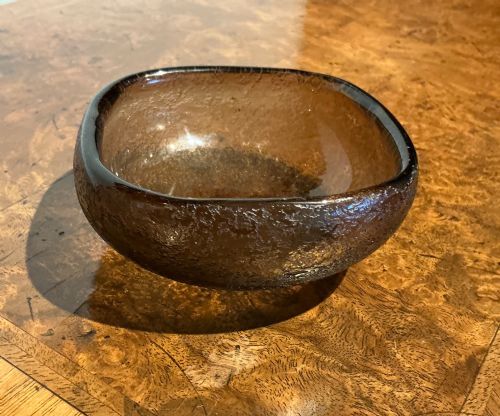


Amber Glass Bowl
An amber glass bowl brings rich warmth to a room, catching the light in ways clear or coloured glass simply cannot manage.
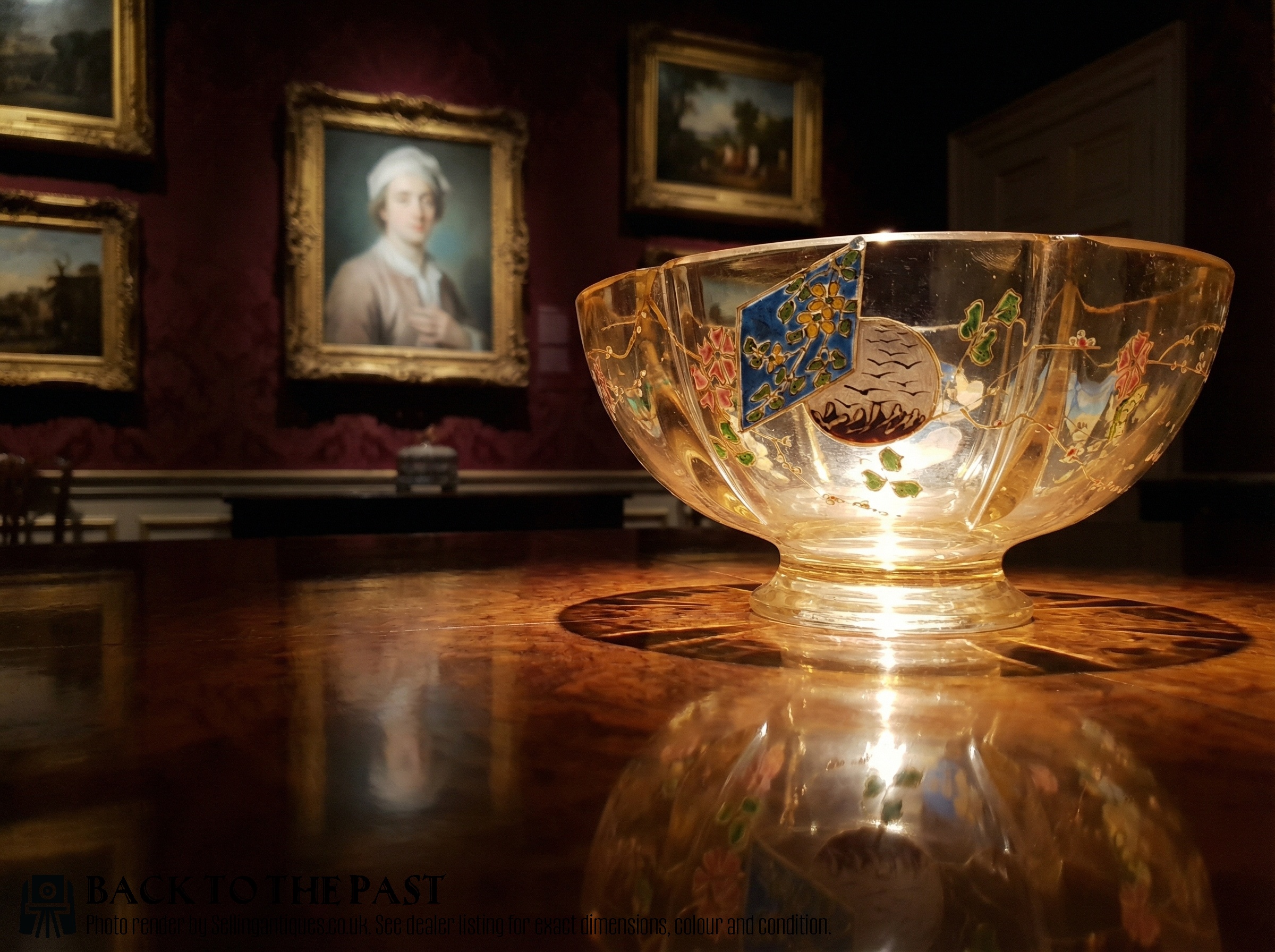
Amber Glass Bowl
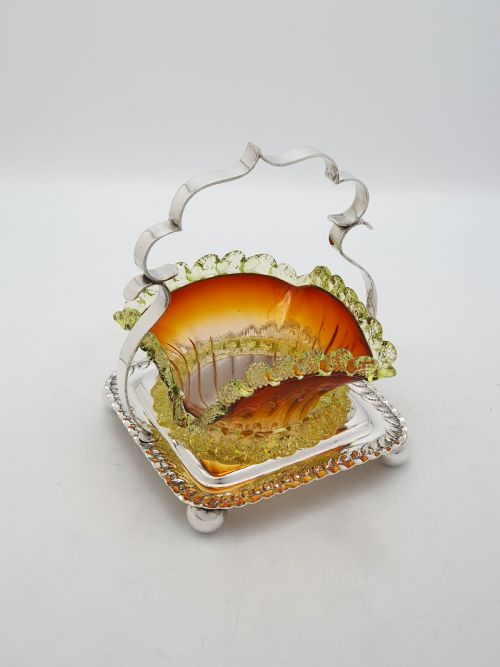
An amber glass bowl is a decorative or functional vessel defined by its characteristic warm yellow-brown hue, appearing across periods from Georgian tablewares to mid-century modern design. When searching for an amber glass bowl, collectors encounter diverse forms including Victorian finger bowls, Edwardian bonbon dishes on silver-plated stands, and dramatic Art Deco creations.
The pieces on offer span origins from English domestic workshops to Venetian furnaces and Bohemian glasshouses. Makers and styles range from pressed glass tableware to elaborate pieces featuring enamel, frosted finishes, and silver plate mounts.
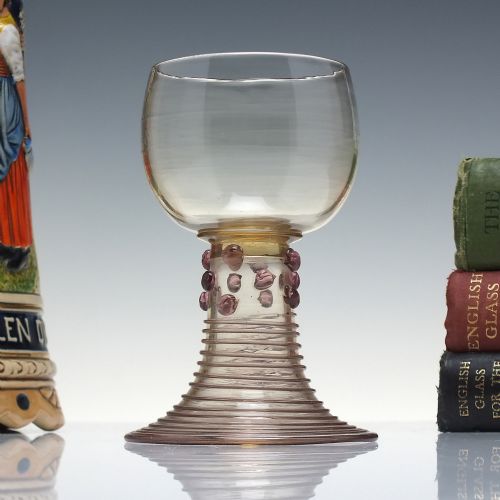
Earlier examples often take the form of finger bowls or wine glass components, whilst twentieth-century output leans towards sculptural centrepieces and named artistic editions. Buyers meet everything from simple pressed vessels to heavily decorated Bohemian punch bowls and cameo glass.
Materials and Techniques
Makers achieved the distinctive amber colour through metallic oxide additives in the molten glass batch, creating tones that vary from pale straw to deep cognac. Production methods span hand-blown techniques, free-blowing, and mechanical pressing into moulds to produce patterned tableware.
Advanced decorative techniques include acid-etching, cameo carving, and enamelling, as seen in complex nineteenth-century Bohemian and French pieces. Some vessels incorporate contrasting materials, pairing the glass with silver-plated frames, metal mounts, or latticinio threads.
Amber Glass Bowl Retail Price Guide 2026
Typical asking prices for amber glass bowl among the pieces listed under this phrase on Sellingantiques today, from the lower quarter to the upper quarter. They describe what is for sale here now, not the wider market.
Listings feature amber glass pieces spanning the Victorian, Art Nouveau, and Art Deco periods, alongside Georgian and mid-century items.
Assessing Quality
Quality rests upon the clarity and depth of the glass itself, alongside the precision of any cut, etched, or moulded decoration. Superior pieces display crisp surface detail and careful finishing without distracting internal bubbles or uneven thickness.
Artistic attribution and the reputation of the glasshouse or designer heavily influence standing within the market. Factory finish, the weight of the metal mounts on plated pieces, and the sophistication of the amber shade separate standard domestic items from collector-grade works.
Rene Lalique·Salviati·Verrerie Des Vosges·Baccarat·Paul Nicolas
The Amber Glass Bowl Glossary
- Pressed glass
- Glass shaped by being pressed into a mould using a plunger, allowing for intricate raised patterns to be produced rapidly. This technique became widespread during the nineteenth century.
- Latticinio
- A Venetian glassmaking technique featuring fine opaque white or coloured glass threads twisted within clear or tinted glass. It creates a delicate lace-like pattern inside the vessel wall.
- Finger bowl
- A small bowl filled with water, traditionally placed before diners between courses to rinse fingers. They frequently appear in matching sets from the Georgian and Victorian eras.
- Cameo glass
- An art glass technique involving layers of different coloured glass fused together, with outer layers carved away to create a raised design. It requires immense skill from the glassmaker.
- Roemer
- A traditional Germanic wine glass form featuring a wide bowl resting on a cylindrical stem decorated with applied prunts. The base is typically built from wound glass coils.
Amber Glass Bowl: Frequently Asked Questions
Are these bowls safe for serving food?
Many decorative bowls can hold dry foodstuffs, fruit, or sweets without issue. Older pieces containing lead or delicate enamel work require careful consideration before serving moist foods.
Inspect the interior surface for any scratches or acid wear where food residue might lodge. When in doubt, treat the vessel as purely decorative.
How can I tell the period of a glass bowl?
Examine the base for pontil marks, wear patterns, and manufacturing seams that reveal how the piece was shaped. Ground pontils usually indicate earlier hand-blown work, whilst mould seams point towards industrial pressing.
Compare the style of decoration, colour saturation, and weight against documented examples from specific eras. Art Deco and Art Nouveau pieces carry distinct stylistic markers distinct from Victorian tableware.
Where should I display my amber glass bowl?
Place the bowl where natural sunlight can pass through the tinted glass to illuminate the colour. Window sills or well-lit dining tables make ideal settings.
Ensure the display location is stable and safe from accidental knocks, particularly for heavier centrepieces or items on pedestals.