



Clear Glass Comports
Clear glass comports are elevated serving vessels and centrepieces that bring height and clarity to a table.
Clear Glass Comports
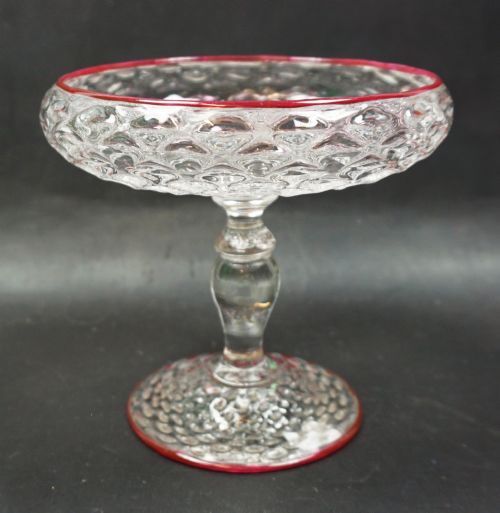
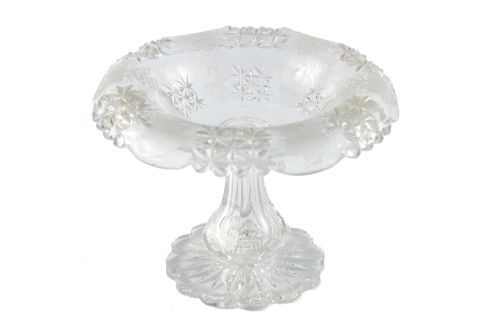
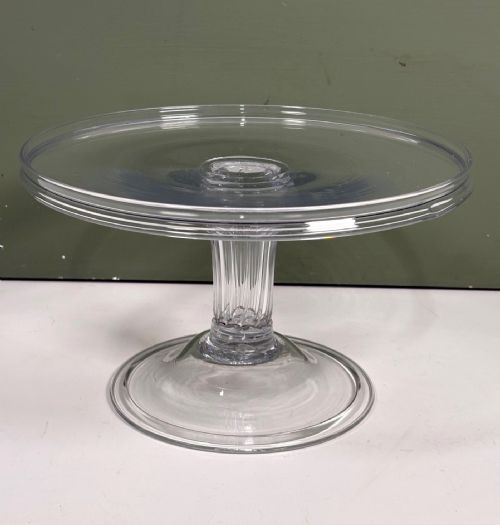
Clear glass comports span from the Georgian and Victorian eras into the twentieth century, appearing as pedestal bowls, tazzas, and table centrepieces. You will frequently encounter Victorian and around nineteen hundred examples featuring raised stems and wide display surfaces designed for fruit or sweetmeats.
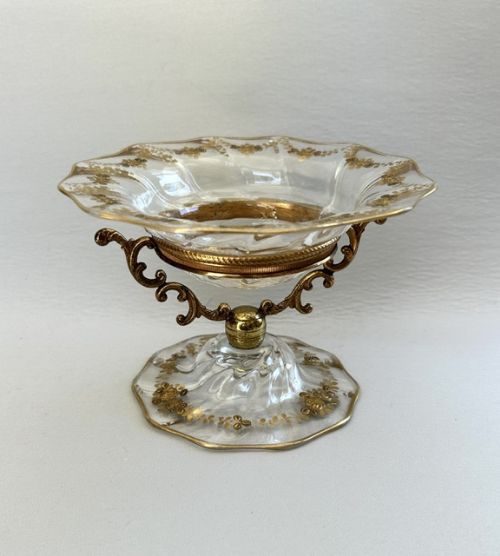
These vessels take various forms, including straightforward lead crystal pedestal bowls alongside more elaborate constructions incorporating gilt metal, ormolu stands, and applied cane decoration in red or green. Makers such as WMF contributed distinct pedestal stands to this tradition during the early twentieth century.
The historical function of a comport involves elevating food above the main table surface, creating a tiered display that complements formal dining arrangements. Today, collectors utilise them as decorative centrepieces or functional serveware within domestic interiors.
Materials and methods of construction
Makers utilised clear glass, lead crystal, and crystal glass, shaping pieces through hand blowing, moulding with honeycomb patterns, and heavy wheel cutting. These techniques produce the weight, facets, and refractive quality characteristic of the period.
Decoration often involved surface etching, gilding, and the addition of coloured glass cane threads in red or green. Metal components such as ormolu mounts and gilt metal stands were integrated to support the glass bowls.
Clear Glass Comports Retail Price Guide 2026
Typical asking prices for clear glass comports among the pieces listed under this phrase on Sellingantiques today, from the lower quarter to the upper quarter. They describe what is for sale here now, not the wider market.
Listings feature periods spanning from the eighteenth century through Georgian, Victorian, and Edwardian eras up to nineteen hundred, utilising clear glass, crystal, and ormolu.
Distinctions in quality
Quality rests in the weight of the crystal and the crispness of the wheel cutting, where deeper and more precise facets create greater brilliance. Simpler moulded pieces differ from heavily hand-cut pedestal bowls and finely etched surfaces.
The integration of secondary materials also alters the piece, distinguishing plain glass vessels from those enhanced with ormolu stands, detailed gilding, or applied glass cane decoration.
WMF
The Clear Glass Comports Glossary
- Comport
- An elevated dish or bowl used on a dining table for serving fruit or sweetmeats. It stands on a central foot or pedestal.
- Tazza
- A shallow bowl or plate mounted on a stem and foot, functioning similarly to a comport or pedestal bowl. The term is frequently used interchangeably with comport in antique listings.
- Lead crystal
- Glass containing a significant proportion of lead oxide, which increases the weight, refractive index, and clarity of the material. It allows for deeper and sharper cutting.
- Ormolu
- Gilt bronze or brass mounts applied to decorative objects, popular in French and English pieces. It provides a contrasting metallic base or trim for the glass bowl.
- Centrepiece
- A large decorative object placed in the middle of a dining table. Pedestal bowls and tazzas often served this central role.
Clear Glass Comports: Frequently Asked Questions
What is a clear glass comport used for?
These vessels were originally designed to serve fruit, nuts, or sweetmeats, elevating the food above the table surface for formal dining.
Today, they function primarily as decorative centrepieces or display bowls within traditional and contemporary interiors.
How do you date a clear glass comport?
Dating relies on observing the manufacturing techniques, such as hand blowing, mould marks, and the style of wheel cutting or etching. Georgian pieces often show pontil marks and simpler forms, while Victorian and Edwardian examples utilise heavier lead crystal and more elaborate decoration.
Associated metalwork like ormolu mounts or gilt stands also helps anchor the piece to a specific period such as nineteen hundred or the nineteenth century.
How should I clean an antique glass comport?
Clean these vessels gently using warm water and mild soap, avoiding harsh abrasurs that might scratch the surface or damage applied gilding. If the piece includes metal mounts like ormolu, keep the moisture away from the joins to protect the metal.
Dry the glass thoroughly with a soft cloth to restore its clear refractive quality.