
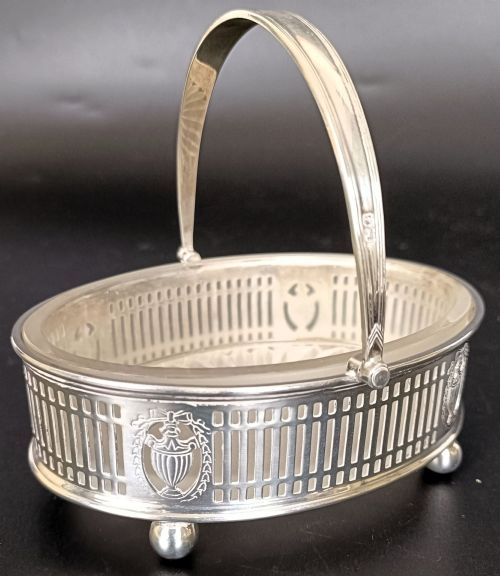


Vintage Glass Tableware
Vintage glass tableware brings together functional serving pieces and decorative items from past centuries, offering distinctive craftsmanship for the modern dining table.
Vintage Glass Tableware
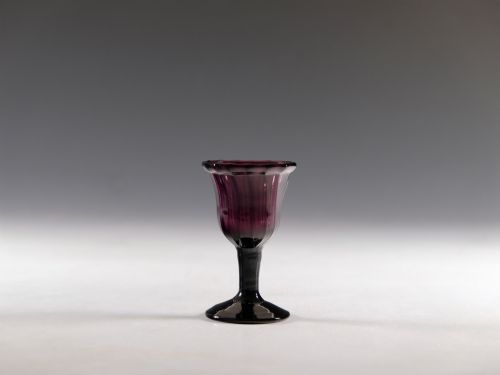
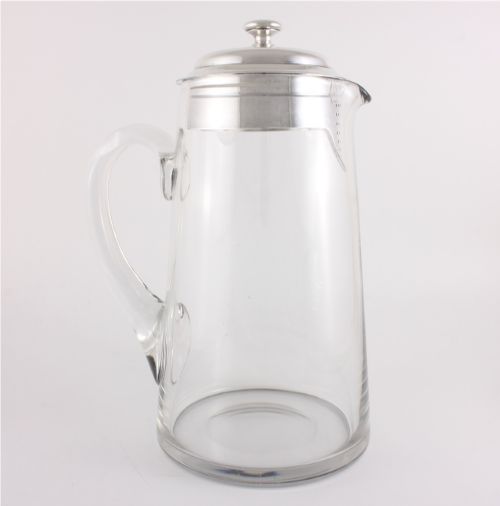
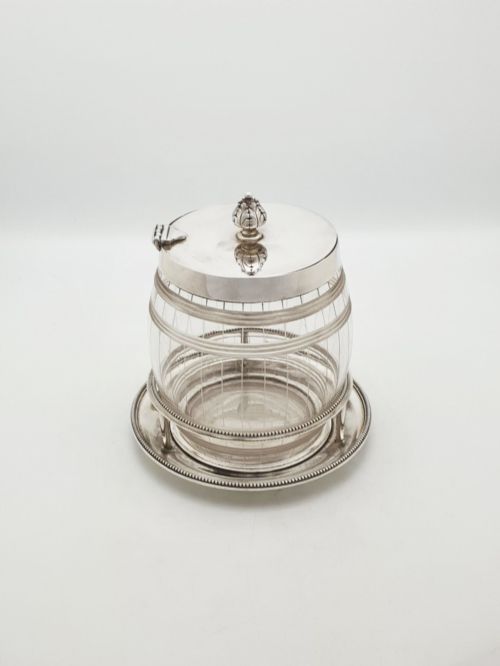
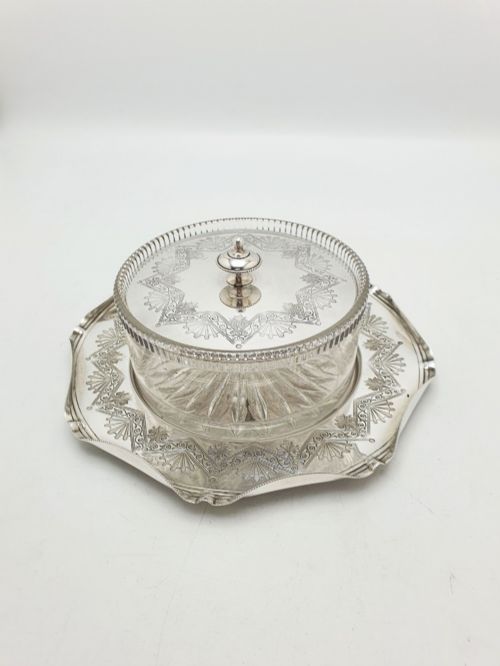
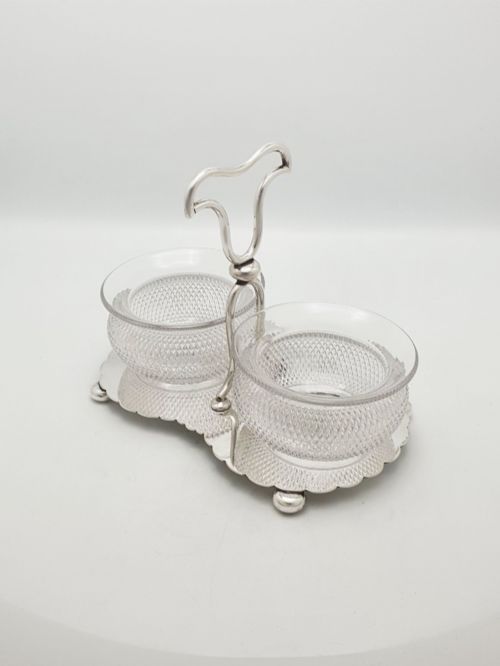
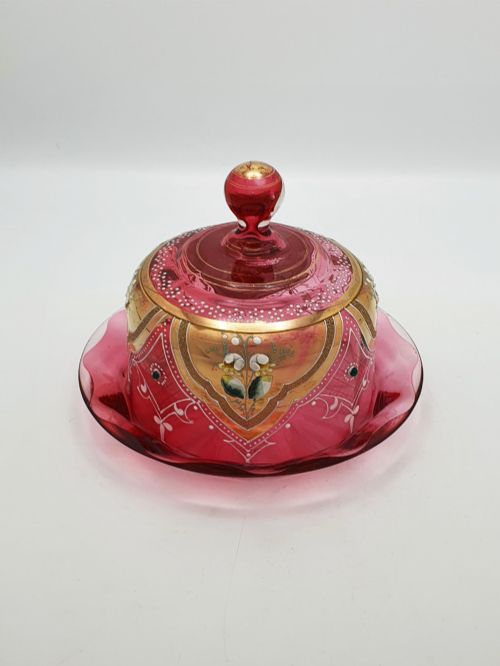
Vintage glass tableware encompasses an array of dining and serving accessories created across the nineteenth and twentieth centuries. Buyers searching for vintage glass tableware encounter practical vessels such as water jugs, decanters, butter dishes, and biscuit barrels alongside smaller dining accessories like salt cellars, egg cups, and condiment sets.
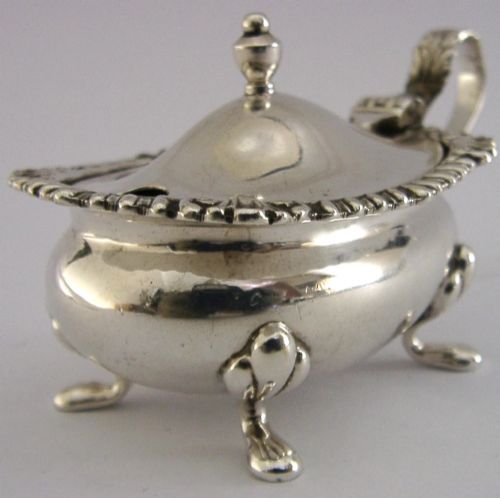
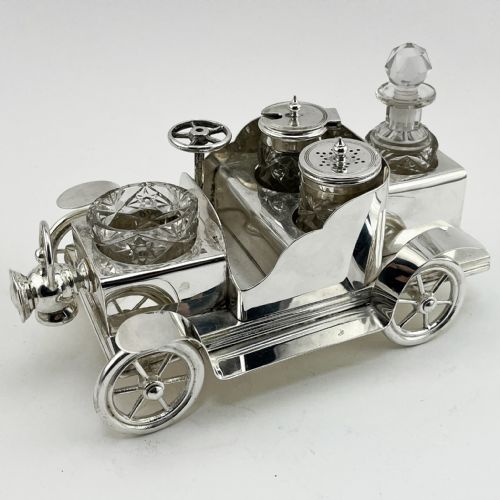
The selection ranges from early Georgian pieces and Victorian cut glass bowls to Edwardian cruet sets and Art Deco pieces featuring cobalt glass liners. Functional items often combine glass bodies with sterling silver or silver-plated mounts, frames, and hinged lids.
Origins span English, French, and continental European workshops, reflecting diverse design movements from traditional Georgian styles to decorative Victorian novelties. These pieces bridge decorative arts and practical dining utility, remaining usable additions to contemporary settings.
How they were made
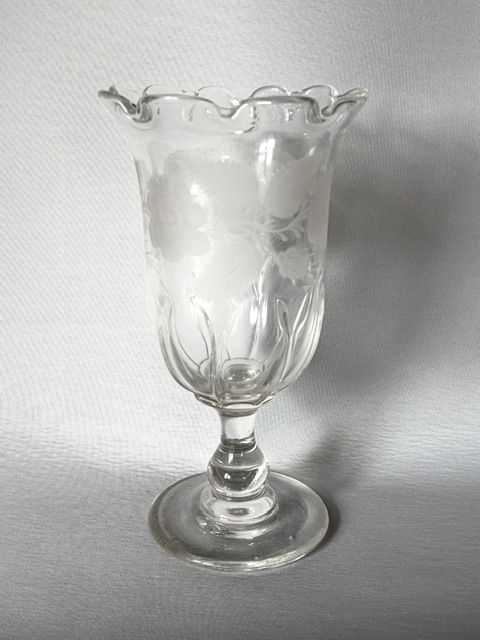
The manufacture of these pieces relies on combinations of heavy glass-working and metal-smithing traditions. Craftsmen shaped lead crystal and plain glass through cutting, etching, and moulding, producing faceted surfaces or delicate surface patterns.
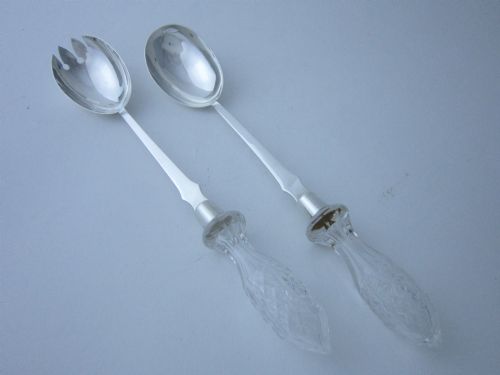
Metal components utilise sterling silver and silver-plate, fashioned into swing handles, pierced spoons, stands, and protective rims. Glass liners and bowls were often paired with custom-fitted metal frames, condiment stands, and mechanical pepper grinders.
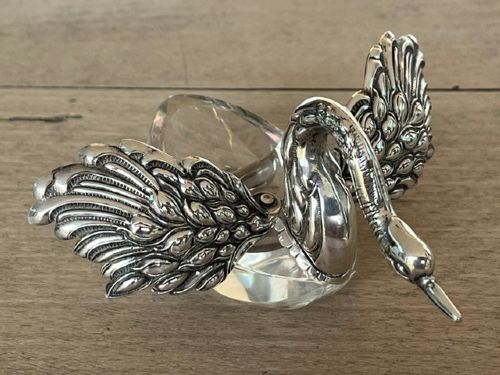
Some table salts take the form of swimming swans with movable metal wings.
What varies in quality
Quality differences lie in the depth and crispness of the glass cutting, the weight of the metal mounts, and the integration of components. Superior pieces feature heavy lead crystal with sharp, well-defined facets and substantial silver plating or sterling silver mounts with clear hallmarks.
Refinement in secondary details, such as heraldic dragon finials, movable swan wings, or pierced spoons, separates standard production items from exceptional workshop examples. The clarity of the glass and the precise fit of removable glass liners into their metal stands further distinguish finer pieces.
Christofle·Elkington·Hukin and Heath·Asprey and Co.
The Vintage Glass Tableware Glossary
- Cruet set
- A matched collection of glass bottles or jars for condiments, typically held within a silver-plated or sterling silver stand.
- Lead crystal
- A high-grade glass containing lead oxide, known for increased weight, refractive brilliance, and suitability for deep cutting.
- Cranberry glass
- A rich red-pink glass produced by adding gold chloride to the molten batch, popular in Victorian decorative tableware.
- Wrythen
- A decorative spiral pattern twisted into the body of blown glass during formation.
- Opaline glass
- An opaque or translucent glass ranging in colour from white to vivid greens and blues, often finished with gilt edges.
Vintage Glass Tableware: Frequently Asked Questions
How do I clean vintage silver and glass?
Wash glass components gently in warm soapy water using a soft cloth, avoiding harsh abrasives that might scratch the surface. Polish silver-plated or sterling silver mounts separately with a dedicated silver cloth, keeping polishes away from the glass.
Ensure metal parts are thoroughly dried before reassembling them with their glass liners to prevent moisture damage or tarnishing.
Can I use these items for everyday dining?
Many items, such as decanters, water jugs, and condiment jars, remain entirely functional for modern dining and entertaining. Care should be taken with delicate pieces like early Victorian etched celery vases or thin cranberry glass bowls.
Hand washing is strongly recommended for all pieces to preserve the integrity of the antique glass and silver components.
How do I identify Georgian glass from Victorian pieces?
Georgian glass often exhibits simpler, heavier forms with pontil marks on the base and characteristic blue or clear tones. Victorian pieces frequently display heavier cut glass patterns, brighter colours like cranberry and cobalt, and more complex silver-plated combinations.
Examining accompanying silver mounts, hallmarks, and overall manufacturing techniques provides precise chronological markers.
What is a cruet set used for?
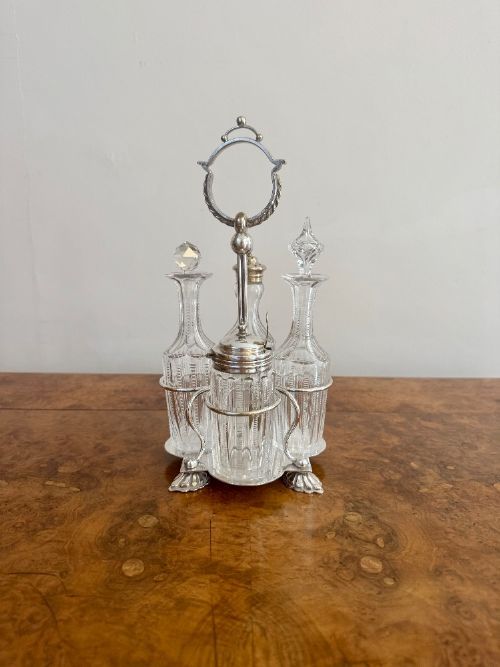
Cruet sets were designed to hold various liquid and dry condiments, such as oil, vinegar, salt, pepper, and mustard, for the dining table. They allowed diners to season their food individually during meals.
The sets typically feature multiple glass bottles or jars fitted into a dedicated metal frame with a central carrying handle.