


Clear Glass Plates
Clear glass plates encompass transparent serving and display vessels found across Victorian, Edwardian and later periods.
Clear Glass Plates
Clear glass plates and related serving forms appear across Victorian, Edwardian and Art Deco periods, drawing upon earlier Georgian foundations.
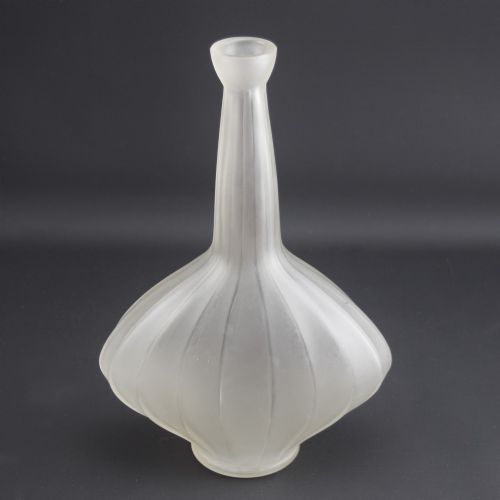
Makers utilise clear glass, cut glass, lead crystal and opalescent glass, frequently combined with silver plate mounts.
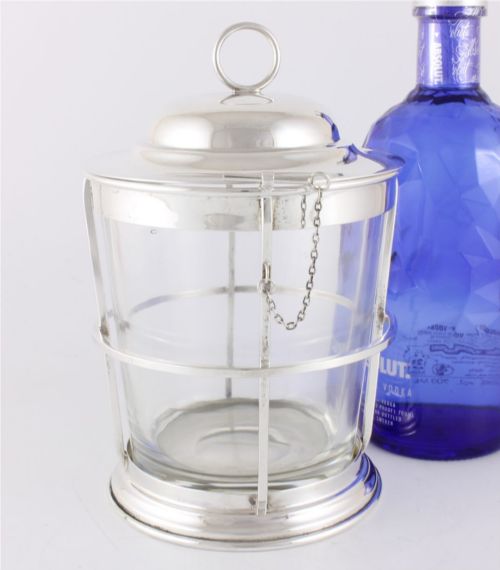
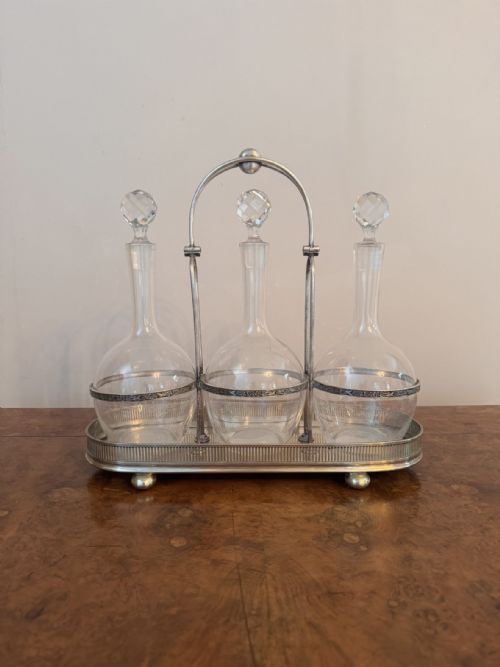
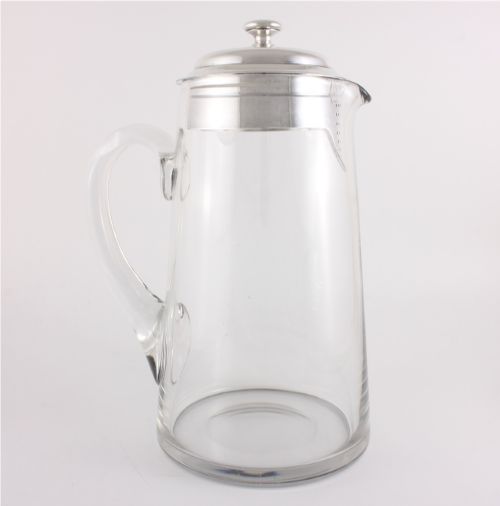
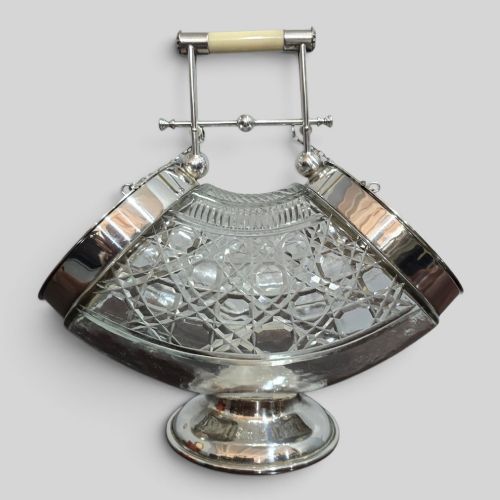
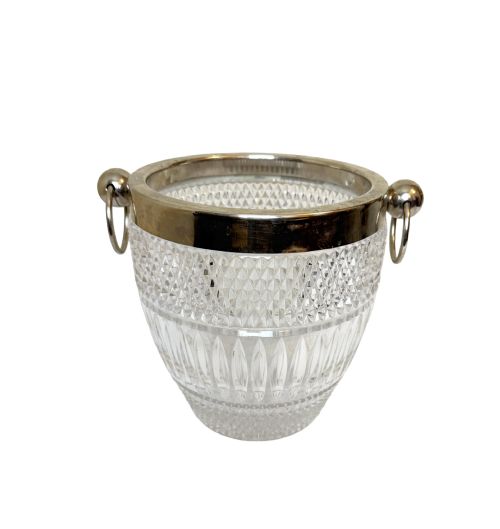
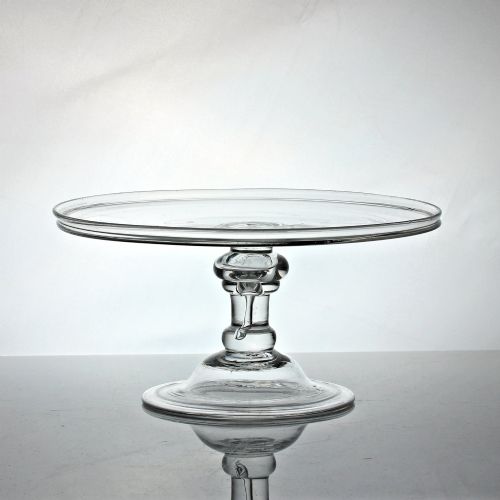
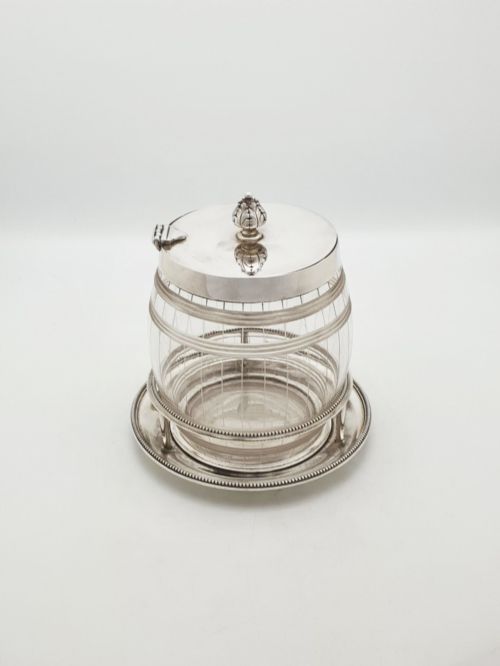
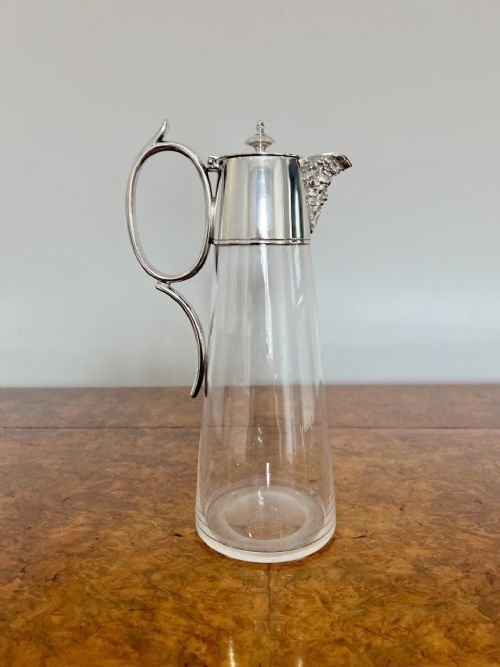
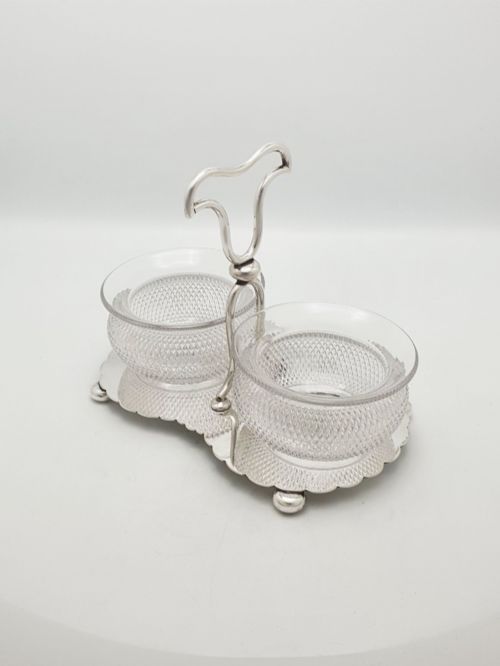
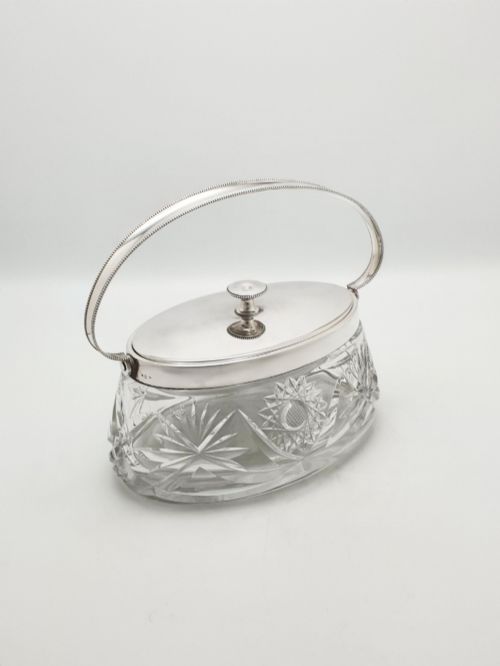
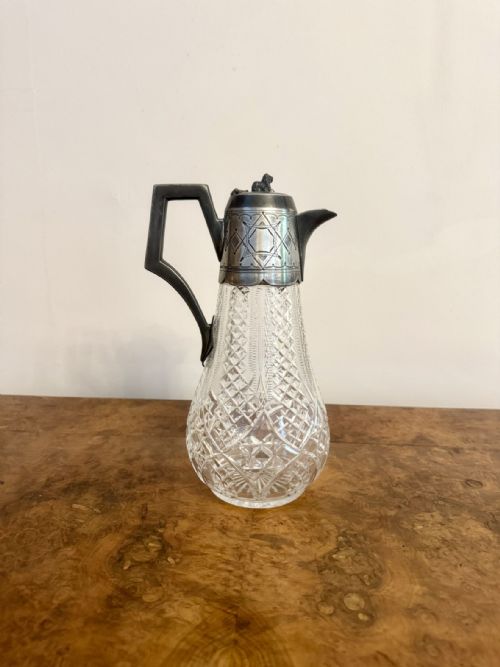
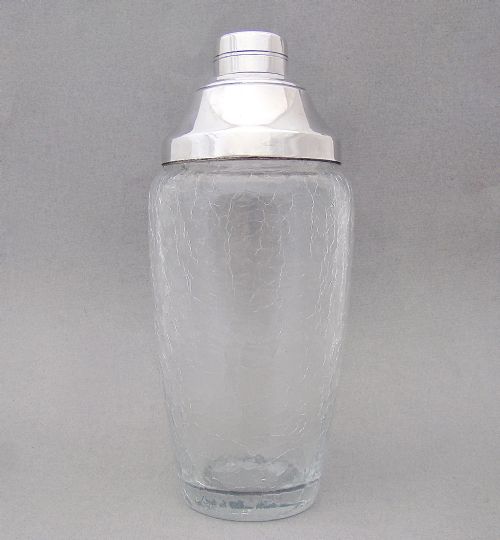
While specific plates emerge alongside tazza and dishes, the broader selection includes claret jugs, biscuit barrels and cruet sets sharing similar materials.
How They Were Made
Craftsmen shape clear glass and lead crystal through blowing and moulding before applying deep hobnail or linear cuts.
Metal components utilise silver plate mounted securely around glass bodies, handles and rims.
Listings span Victorian, Edwardian and Art Deco styles, incorporating materials from simple clear glass to heavy lead crystal and silver plate.
What Varies in Quality
Depth and crispness of cutting across the glass surface distinguish finer examples from simpler production.
Weight of the lead crystal and thickness of the silver plate framing the piece determine overall substance.
PH Vogel·Christofle·Elkington·WMF·Rene Lalique·Mappin & Webb·Walker & Hall·Salviati Venice
The Clear Glass Plates Glossary
- Cut glass
- Glass decorated by abrasive wheels to carve facets or patterns into the surface. This technique creates brilliance and texture.
- Silver plate
- A thin layer of silver fused to a base metal, commonly utilised for mounts and stands. It provides the appearance of solid silver.
- Lead crystal
- Glass containing metal oxides that increase refractive index and weight. This material yields a clear ring when struck.
- Tazza
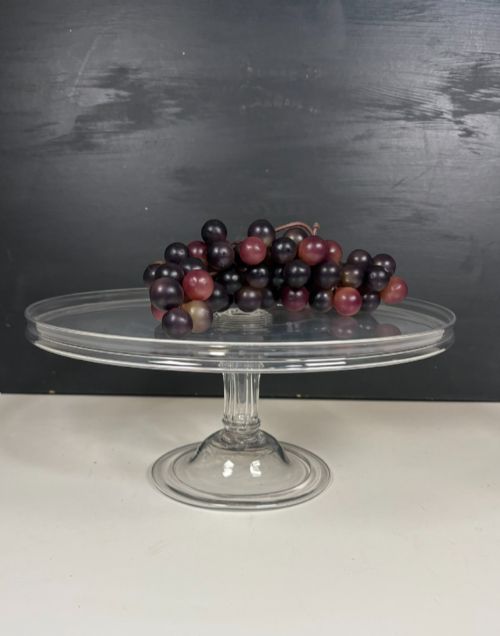
- An elevated shallow dish or plate supported on a central foot. It serves for displaying fruit or small items.
Clear Glass Plates: Frequently Asked Questions
How are clear glass plates dated?
Dating relies on stylistic markers, cutting patterns and associated metal mounts from periods such as the Victorian and Edwardian eras. Maker marks stamped on silver plate provide further chronological context.
Changes in glass chemistry and manufacturing techniques also help determine the decade of production.
Can silver plate mounts be polished?
Silver plate mounts tolerate gentle cleaning with specialist creams designed for plated items. Care prevents abrasive wear to the thin silver layer.
Glass portions clean separately with warm water and mild detergent.
What is the difference between glass and lead crystal?
Lead crystal contains added mineral content that increases density and light dispersion compared to standard glass. This results in heavier pieces with sharper cut facets.
Standard clear glass maintains a lighter weight and simpler refraction properties.
How were these plates used historically?
Serving vessels and decorative plates functioned during formal dining and entertaining across Victorian and Edwardian households. They presented food, sweets or fruit on dining tables and sideboards.
Mounted examples often combined with silver stands for domestic display.