




Antique Glass Platter
An antique glass platter brings substance and historic character to a table, combining utilitarian purpose with decorative artistry.
Antique Glass Platter
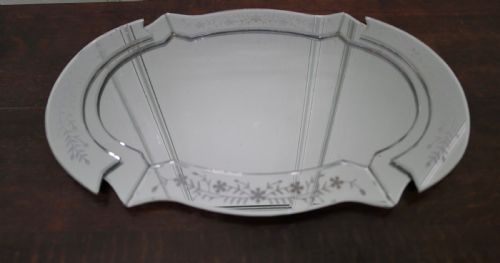
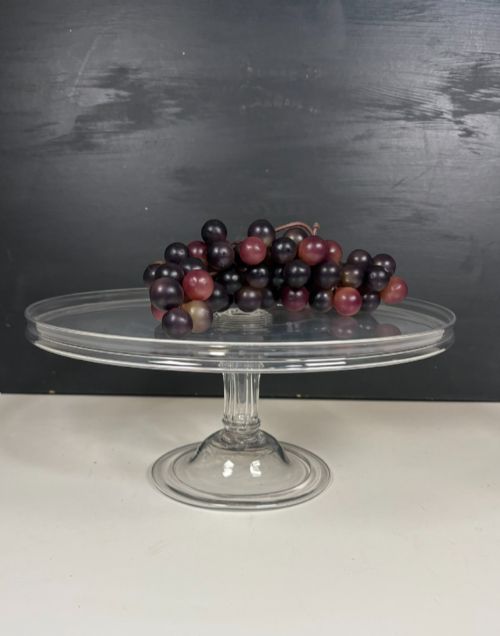
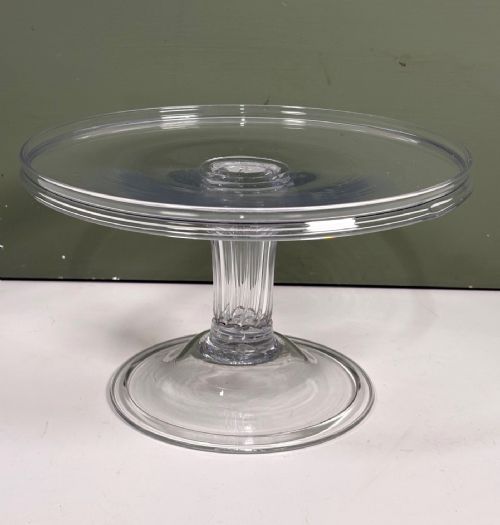
When you search for an antique glass platter, you enter a field that spans sturdy Georgian serving vessels and decorative twentieth-century plates. The selection ranges from eighteenth-century glass tazzas to Edwardian cut glass dishes and vibrant Art Deco mirrored trays.
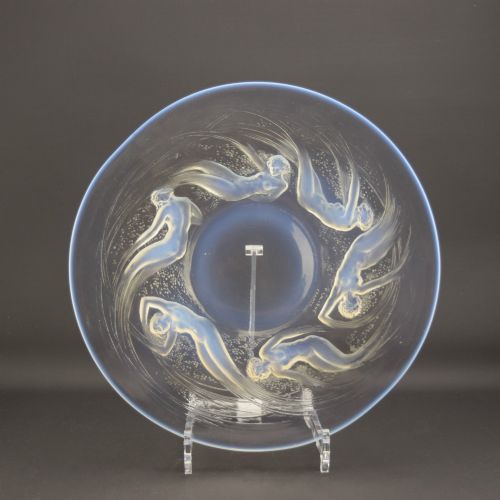
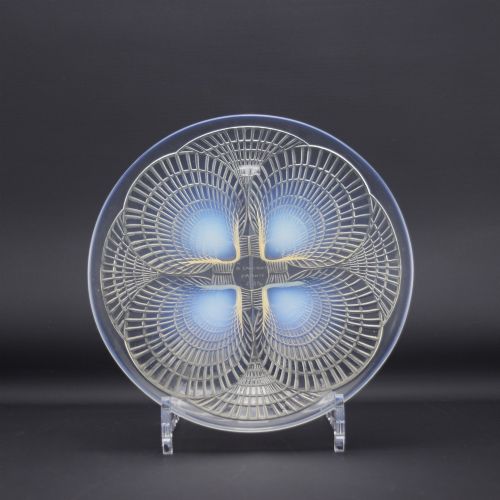
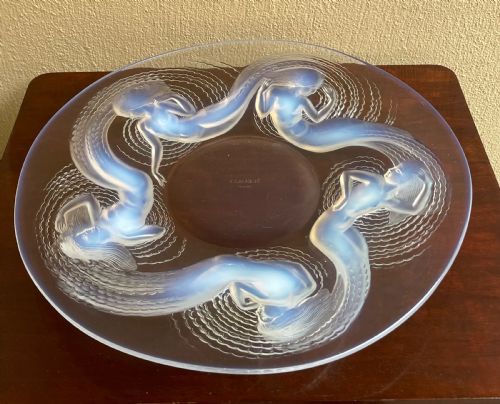
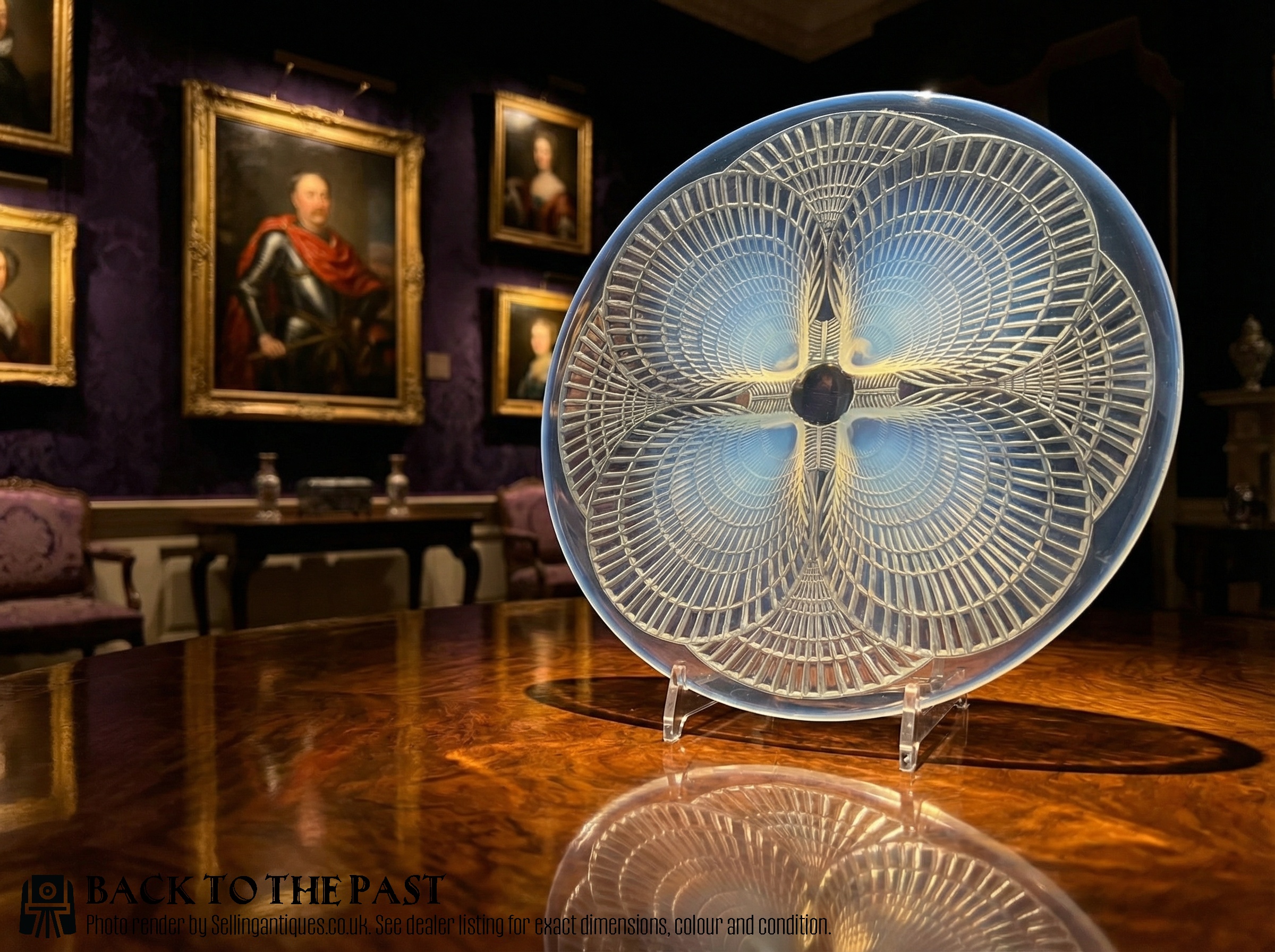
The pieces appearing most frequently here are Art Deco opalescent plates, mirrored serving trays, and heavy cut glass dishes. They encompass various forms including chargers, shallow bowls, and handled trays that served dining rooms and bars across multiple eras.
Origins stretch from English workshops to Venetian glasshouses and French studios, capturing changing aesthetic tastes from the Georgian period through the 1930s. Each object reflects the prevailing interior styles of its original decade, whether through geometric etching or intricate moulded relief.
How they were made
Manufacturing methods rely primarily on heavy lead glass and lead crystal, shaped through cutting, moulding, and etching techniques. Artisans achieved decorative depth by cutting facets into thick blanks or by pressing molten material into elaborate moulds.
Surface ornamentation often involves silver plating, mirror backing, or sepia staining to enhance the visual texture of the glass. Workshops in Venice and France utilised specialised techniques such as millefiori incorporation and opalescent frosting to create distinct optical effects.
Listings span from the 18th Century through the Edwardian era and the 1930s, featuring glass, opalescent glass, mirror, and chrome.
What varies in quality
Distinctions in quality rest upon the clarity of the material, the precision of the cutting, and the depth of the moulded relief. Finer examples display crisp facet edges and unclouded crystal, whereas simpler items show softer lines and basic surface moulding.
The sophistication of the design and the reputation of the maker heavily influence the standing of a piece. Signed French moulded plates and intricate Venetian mirrored trays represent a different tier of craftsmanship compared to standard utilitarian serving glass.
Rene Lalique
The Antique Glass Platter Glossary
- Tazza
- A elevated shallow bowl or plate resting on a foot, commonly used for serving fruit or sweets in the eighteenth and nineteenth centuries. These pedestal pieces formed a central feature of formal dining tables.
- Opalescent Glass
- Glass that diffuses light with a milky, iridescent sheen, often showing blue or amber tones at the edges. This technique gained prominence through French decorative arts in the early twentieth century.
- Charger
- A large decorative plate used as a base setting during formal meals or as a serving vessel. In glass, these pieces require substantial weight and thickness to remain stable.
- Millefiori
- A glasswork technique involving multicolored rods fused together and sliced to create mosaic patterns. It appears frequently in decorative bowls from the early twentieth century.
- Mirror Tray
- A serving tray featuring a mirrored glass base enclosed by a metal or wooden frame, often associated with Art Deco barware and Edwardian dressing accessories.
Antique Glass Platter: Frequently Asked Questions
How were antique glass platters used?
These items served various roles in historic households, functioning as fruit stands, serving dishes for formal dinners, and display trays for drinks.
Larger pieces like tazzas occupied prominent positions on dining tables, while mirrored trays supported glassware and decanters in entertaining spaces.
Can I use an antique glass platter for food?
Many of these pieces were designed for culinary presentation, particularly eighteenth-century tazzas and Edwardian cut glass dishes.
However, delicate opalescent plates and mirrored trays with metal mounts require careful handling and are better suited for display rather than heavy daily dining.
How do I identify a Georgian glass tazza?
Georgian tazzas typically feature heavy lead glass construction with a distinct pedestal foot supporting a flat or slightly dished top.
They often display deep hand-cut facets and pontil marks on the underside, distinguishing them from later pressed glass production.