



Engraved Glass Plates
Engraved glass plates gather polished silver plate and clear crystal, serving the table with nineteenth-century formality.
Engraved Glass Plates
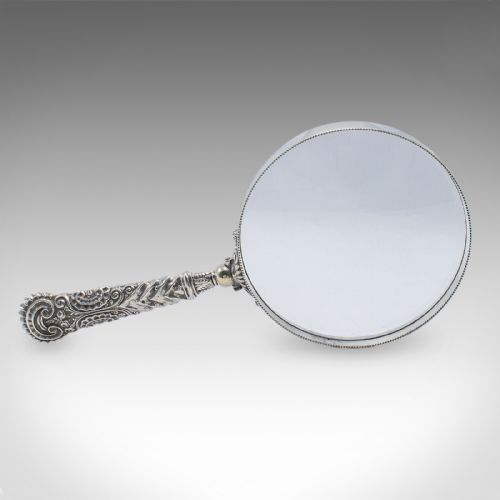
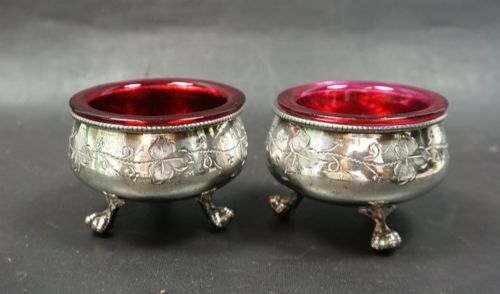
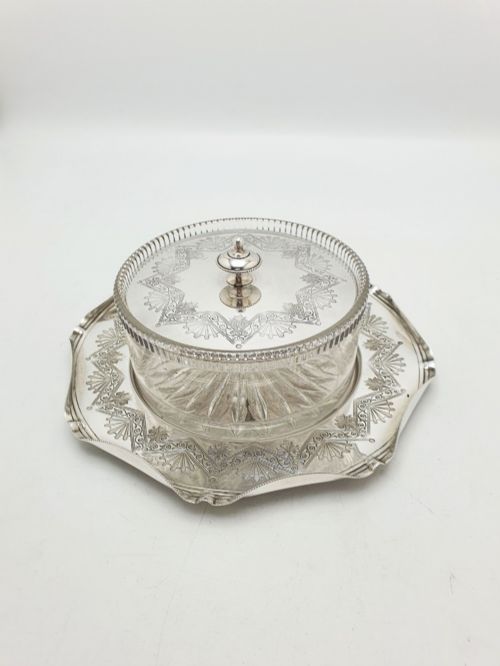
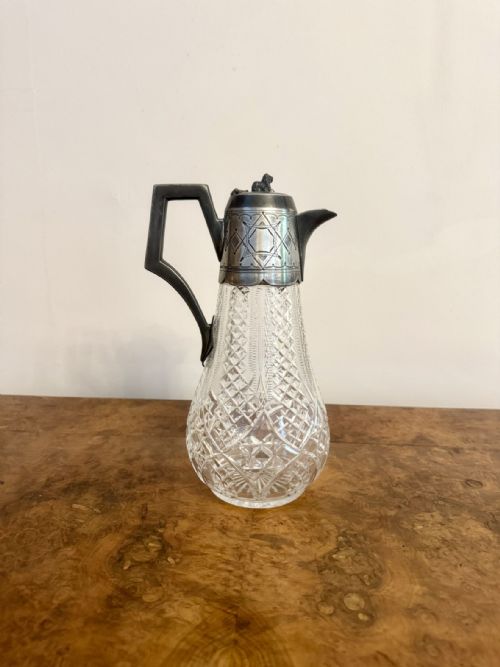
Engraved glass plates and associated silver-mounted table vessels encompass domestic items from the Victorian and Edwardian eras. The selection on this page centres on domestic serving pieces and decorative glassware, featuring silver plate mountings alongside cut crystal and cranberry glass.
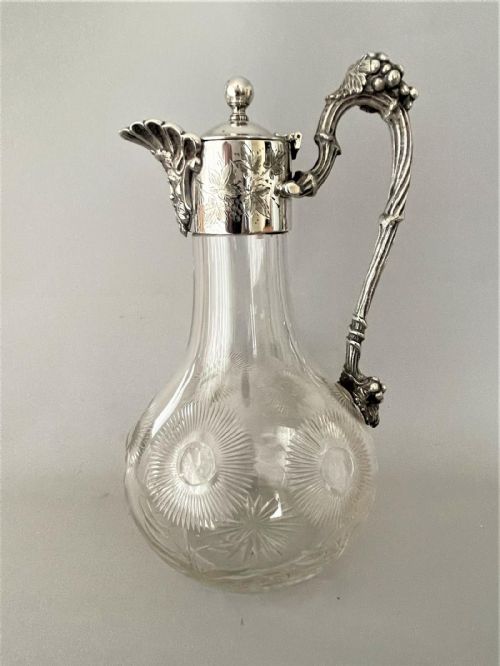
Most examples originate from English workshops, alongside continental pieces such as Italian wall mirrors and German spirit ewers. Forms range from claret jugs and butter dishes to salt cellars, biscuit barrels, and wall mirrors set with engraved glass plates.
How they were made
These items combine blown or moulded glass with silver plate mounts, often utilising cut crystal and cranberry glass. Artisans shaped vessels through cutting and engraving techniques while mounting them with cast or plated silver components.
Gilt-wood and carved frames support decorative elements such as wall mirror plates, pairing traditional glass production with metalwork.
Current listings span the Victorian and Edwardian periods, featuring materials such as cranberry glass, cut crystal, and silver plate.
What varies in quality
Quality rests upon the depth of the glass cutting, the clarity of the engraving, and the weight of the silver plate mount. Pieces with crisp wheel-cut facets and substantial metal mounts display superior craftsmanship.
The precision of decorative additions, such as heraldic finials or carved wooden frames, distinguishes standard production from finer examples.
Walker & Hall·S&B Solomons of London
The Engraved Glass Plates Glossary
- Claret jug
- A pouring vessel designed for serving red wine, typically combining a cut glass body with a silver-plated handle, collar, and hinged lid.
- Cranberry glass
- A rich red-pink transparent glass created by adding gold chloride to the molten batch, widely utilised in Victorian tableware.
- Silver plate
- A base metal, often copper or Britannia metal, coated with a thin layer of silver through electroplating or older fusion methods.
- Biscuit barrel
- A covered container intended for holding dry biscuits or cakes at the table, frequently mounted in silver plate with a glass or ceramic body.
- Ewer
- A large jug with a wide spout and curved handle, often used as a decorative serving vessel for wine or water.
Engraved Glass Plates: Frequently Asked Questions
How do I clean silver plated mounts?
Clean silver plate gently using a soft cloth and a dedicated silver polish, avoiding abrasive cleaners that might strip the thin metal layer.
Keep moisture away from the junctions where the glass meets the metal to prevent tarnishing and loosening of the mount over time.
Are these glass items safe for daily use?
While these pieces were made for dining and service, older glass and silver plate benefit from careful hand washing rather than dishwasher cycles.
Thermal shock can crack nineteenth-century glass, so avoid exposing them to sudden temperature changes.
How do I date a silver plated glass piece?
Examine the style of the cut glass, the form of the handle, and any maker marks stamped onto the silver plate mounts. Victorian and Edwardian pieces often display distinct registration numbers or maker ciphers that narrow down their production decade.
Stylistic cues such as Art Nouveau curves or Victorian rococo revival motifs also help establish the manufacturing period.
What is cranberry glass?
Cranberry glass is a distinctive transparent red glass coloured by adding gold to the molten mixture during production. It gained popularity during the Victorian era for tableware and decorative liners.
Objects made from this material often accompany silver-plated frames like salt cellars and wine decanters.